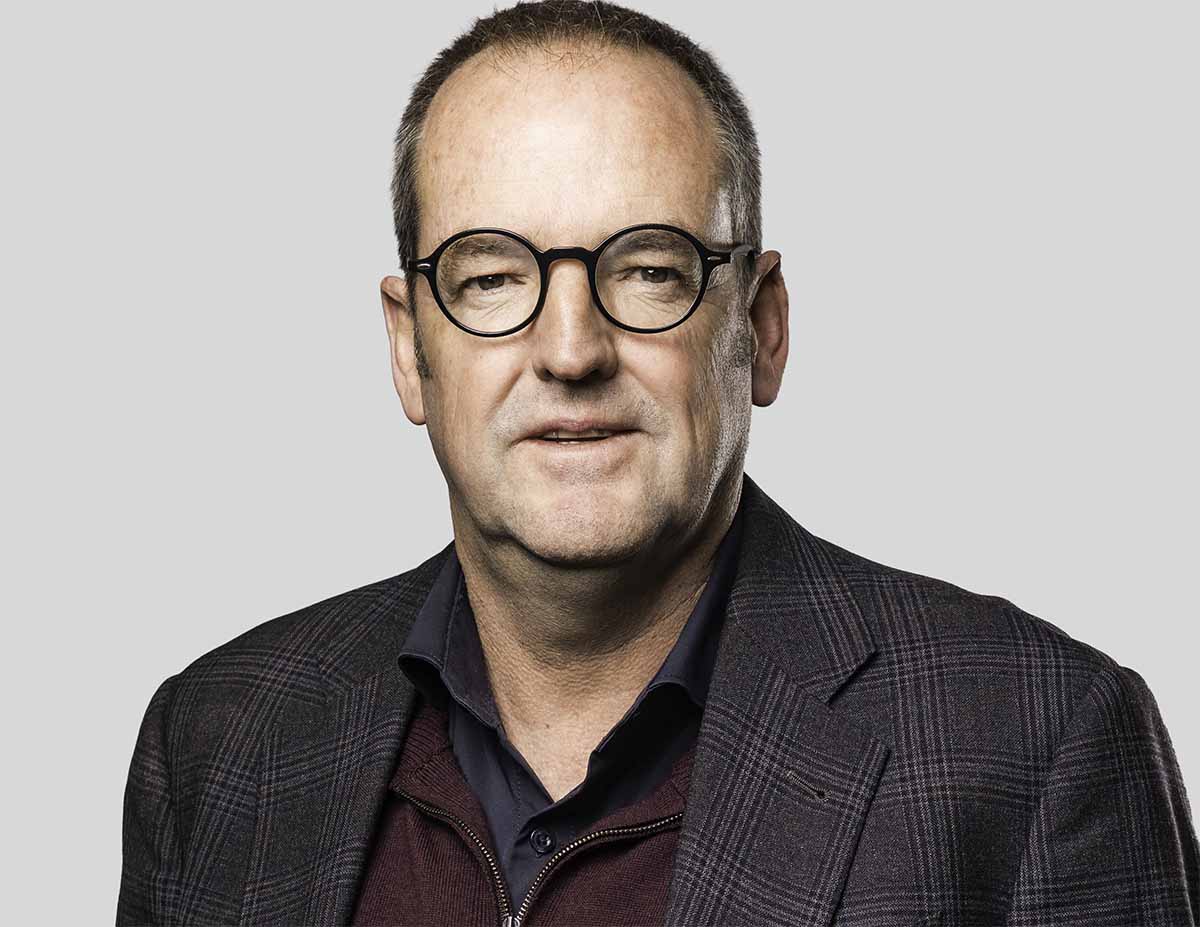
South Africa’s residential property market is settling into a more measured phase following a period of elevated interest rates. But the underlying pressures shaping demand for affordable housing have not eased. It is against this market backdrop that TUHF is becoming Tuhf Capital — a specialist property finance and growth partner for ambitious entrepreneurs building scalable property businesses.
WORDS & PHOTOS: SUPPLIED
The new identity gives clearer expression to the role the business already plays in the market: providing access to capital, practical commercial solutions, specialist expertise and hands-on support that enables entrepreneurs to move from individual property transactions to sustainable, long-term property businesses.
“The housing market has always been resilient because it is linked to real economic activity,” says Aidan-John (AJ) Rothman, CEO of Tuhf Capital. “What we are seeing now is not a reset of the market, but a continuation of how it has been evolving. Demand follows jobs, infrastructure, and functioning urban nodes, and capital has to follow that reality.”
Urban pressure is already a reality. The World Bank estimates that 69.3% of South Africans lived in urban areas in 2024, placing sustained pressure on cities to deliver housing that is both accessible and economically viable.
“The housing backlog is not just a delivery issue. It reflects how quickly cities can respond to where people need to live and work. The real opportunity lies in enabling property entrepreneurs to build viable, scalable businesses that meet that demand. That is why the evolution to Tuhf Capital is important as it gives clearer expression to the work we already do by backing entrepreneurs with the finance, expertise, and partnership they need to build sustainable property businesses,” Rothman says.
The move to Tuhf Capital builds on more than two decades of financing property entrepreneurs across South Africa’s urban housing markets, while making clearer the business’s broader role as a long-term growth partner.
Opportunities have become more geographically spread. This includes not only inner-city and suburban nodes but also growing demand across township markets where access to formal rental housing remains constrained.
In Gauteng, deal activity has picked up as investor confidence improves and developers move into suburban nodes such as Randburg, Midrand, and Centurion. Meanwhile, in the Western Cape, migration and pricing pressures continue to push development beyond traditional inner-city areas into suburban and secondary nodes. And in KwaZulu-Natal, economic hubs such as Umhlanga and the Dube Trade Port are driving demand patterns that are only gradually being matched by supply.
Densification that works in practice

Velda Derrocks, Tuhf Capital Client Coverage Executive
For Velda Derrocks, Tuhf Capital Client Coverage Executive, the shift in the market is being driven as much by entrepreneurs as by demand.
“What we are seeing is that entrepreneurs are reshaping how these markets develop,” she says. “As their businesses grow, they move into new nodes where demand, infrastructure, and opportunity align.”
This shift reflects a broader pattern across South Africa’s urban housing markets, where expansion is not only about where housing demand exists, but where entrepreneurs have the appetite and capability to invest.
“Our role as Tuhf Capital is to partner with those entrepreneurs from the beginning of their journey and support them as they scale. That means structuring capital in a way that enables sustainable growth, while building long-term value for the entrepreneur, our shareholders, and the communities where those businesses operate,” Derrocks adds.
Within that context, densification remains an important mechanism, but it is often misunderstood.
“There is still a perception that densification means overcrowding. That is not the case. It is about making optimal use of space in a way that is compliant, functional, and sustainable,” she says.
In practice, this can include redesigning existing units to use space more efficiently, improving yield for the landlord while maintaining affordability for tenants.
“When more people live within structured nodes, it becomes easier to maintain infrastructure and services. Well-managed densification supports both the viability of the asset and the broader urban environment,” says Derrocks.
Mixed-use developments are increasingly supporting this approach, particularly where entrepreneurs are able to align location, demand, and long-term investment.
“These developments show that financial sustainability and social outcomes are not mutually exclusive. When entrepreneurs succeed in building viable property businesses, the benefits extend into the communities they operate in,” she adds.
Market tensions are shaping supply
In high-demand regions, particularly in the Western Cape, property entrepreneurs are making increasingly deliberate decisions about how to allocate capital between competing opportunities.
“Student accommodation can deliver higher returns per unit, which creates a natural pull for landlords,” says Derrocks. “The challenge is deciding where that fits within a broader portfolio, without displacing long-term rental demand entirely.”
This tension reflects a wider reality across South Africa’s housing markets. Entrepreneurs are not only responding to demand, but also to risk, infrastructure reliability, and the long-term sustainability of their businesses.
“We are seeing clients make more strategic choices about where and how they invest,” Derrocks adds. “That includes balancing yield with stability, and short-term returns with long-term portfolio growth.”
Tuhf Capital supports these decisions through a diversified loan book and a capped exposure to student accommodation, ensuring that opportunities are pursued without creating concentration risk.
This is also where Tuhf Capital’s positioning becomes important. Scalable, entrepreneur-led property businesses need capital structures that can support commercial growth and measurable impact over time.
At the same time, investor appetite for impact-driven housing is strengthening. Tuhf Capital’s partnership with the International Finance Corporation, which includes a proposed R960 million investment as part of a broader R1.2 billion structure, reflects growing confidence in scalable, green-certified affordable housing models.
“We are seeing increasing interest from investors who want both commercial returns and measurable social outcomes,” says Rothman. “That capital can flow into the sector if the underlying businesses are structured correctly.”
Building for what comes next
“The conversation cannot be limited to individual developments. It must focus on enabling entrepreneurs to build sustainable property businesses,” says Rothman.
Sustainable urban growth is driven by viable property businesses operating in real communities. When those businesses succeed, they support local economies and contribute to more stable urban environments.
“Our market is changing, and we are changing with it. Tuhf Capital provides a clearer expression of who we are becoming: a growth partner for entrepreneurs who see opportunity in property and want to build businesses that last. The fundamentals remain the same. What changes is the clarity of our role as those markets become more complex,” Rothman concludes.