The Africa Wealth Report is the definitive guide to Africa’s wealth and luxury sector, published annually by wealth intelligence firm New World Wealth. This is their 12th edition.
WORDS & PHOTOS: SUPPLIED
There are currently just over 127,000 millionaires (HNWIs) living in Africa, each with liquid wealth of USD 1 million or more. This includes 374 ultra-wealthy centi-millionaires and 28 billionaires. Going forward, we expect the key wealth-creating industries in Africa to be eco-tourism & eco-estates, music & film, fintech, ecommerce, software development, AI, business process outsourcing, green tech, rare metals mining, biotech, and wealth management.
Africa’s rising music scene
From AfrikaBurn to Long Street – Africa’s music scene is on the rise. As part of this year’s Africa Wealth Report, we review the top emerging musicians in Africa.
Named after a line in Sixto Rodriguez’s legendary song ‘Jane S. Piddy’, Ruth’s sound is the perfect mix of folk, rock, and blues. Like Bob Dylan and Joan Baez before her, Ruth represents the voice of a generation. Pure talent and totally authentic.
Juma Mussa Mkambala, known professionally as Jux, has put Tanzania on the global music map in a similar way to how Juluka put South Africa on the map in the 1980s.
Africa’s wealthiest cities
Johannesburg: 11,500 HNWIs and 2 billionaires
Despite a tough past two decades, Johannesburg is still the wealthiest city in Africa. The “City of Gold” is the base city for the bulk of the companies listed in the JSE Top 40. Much of its wealth is located in the Sandton area, which is widely seen as the “richest square mile in Africa”. There are also large numbers of HNWIs living on lifestyle estates in the up-and-coming Waterfall-Midrand area, which is located on the outskirts of Greater Johannesburg.
Cape Town: 9,700 HNWIs and 3 billionaires
The “Mother City” is the most expensive city in Africa by some margin, with prime apartment prices there now averaging around USD 6,000 per square meter in exclusive suburbs such as Clifton and Bantry Bay. Cape Town has shown impressive wealth growth over the past decade and is on track to overtake Johannesburg to become Africa’s wealthiest city by 2030.
Cairo: 6,800 HNWIs and 5 billionaires
Located along the Nile River, Cairo is one of the world’s most important cities historically. It is home to five billionaires – the most of any African city, but ranks only 3rd by HNWIs. Affluent parts of the city include Zamalek, Garden City, and Newgiza.
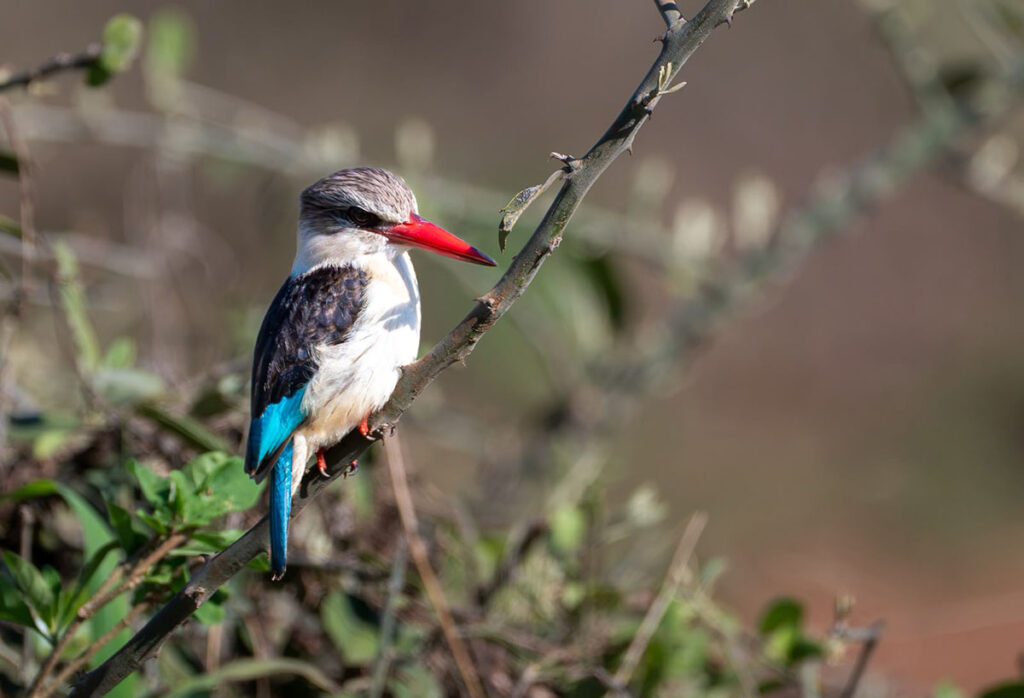
‘The Great Elephant’ of Africa
‘The Great Elephant’ is a reference to Shaka Zulu, who was sometimes called ‘The Great Elephant’. Its an expression that could easily be used to describe his homeland South Africa due to its dominance of the continents’ wealth sector.
Following a strong past two years, South Africa is now the wealthiest country in Africa by some margin with 48,200 HNWIs in residence as at June 2026, along with 131 centi-millionaires and 10 billionaires. This means SA now accounts for a substantial 38% of Africa’s total millionaires and 36% of its billionaires.
On a global view, South Africa ranks as the 34th wealthiest country on earth when it comes to millionaire residents – just behind Poland and ahead of major players like Turkey and Thailand.
Top business leaders in South African history
South Africa has produced many of the world’s top entrepreneurs, which helps to explain its dominance of the continent’s wealth landscape.
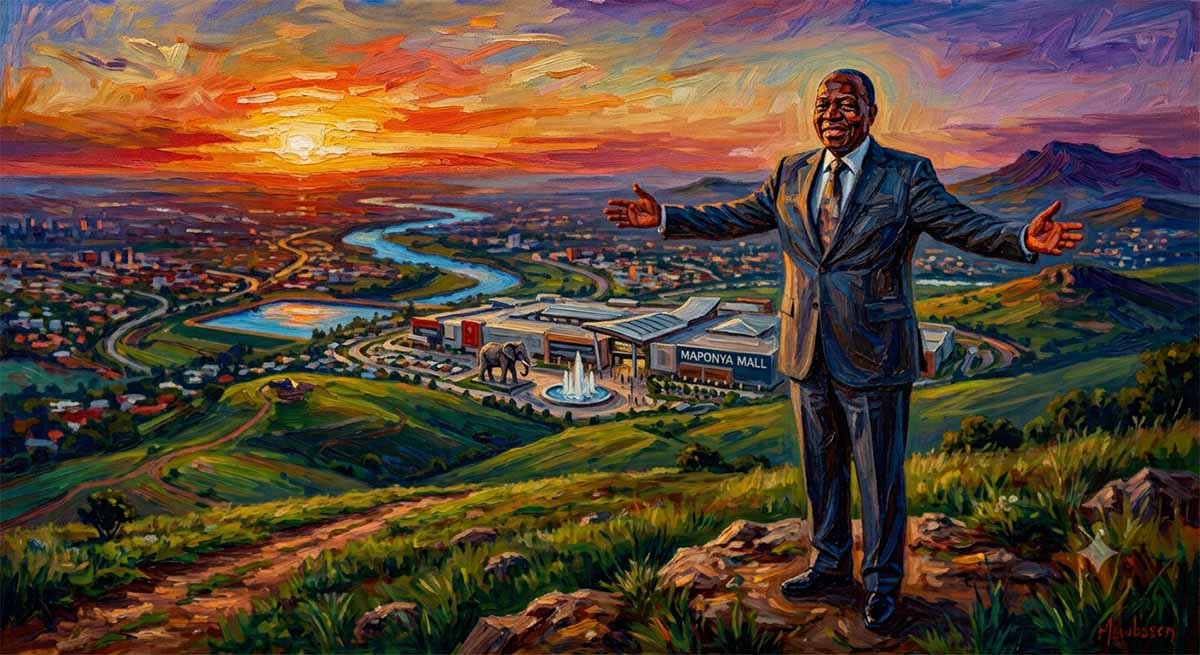
Richard Maponya
South Africa’s greatest entrepreneur and real estate titan best known for building a business empire despite the restrictions of the apartheid government.
Elon Musk
Born and educated in SA, Musk founded a number of innovative global companies over the past 20 years, including Tesla, Starlink and SpaceX.
Sol Kerzner
The visionary behind the development of many of SA’s most iconic hotels & resorts, including Sun City, the Lost City and the Beverly Hills Hotel. Also founded Atlantis Resorts and the One&Only.
Other notable SA entrepreneurs include: Patrice Motsepe, Pam Golding, Koos Bekker, Anton Rupert, Donald Gordon, Ernest & Harry Oppenheimer, Nthato Motlana, Liz McGrath, Nathan Kirsh, Beatrice Tollman and Adrian Gore.
Why is South Africa so appealing to entrepreneurs?
- Lifestyle factors — mild climate, beaches, nature and scenery.
- Highly diversified economy — unlike other markets in Africa, SA is strong in multiple key sectors including banking, fund management, real estate, technology, healthcare, mining, chemicals, agriculture, manufacturing, retail, media & entertainment, and travel & tourism.
- SA is home to the JSE, which is the 17th largest stock exchange in the world by market cap. Notably, the JSE’s market cap exceeds all the other stock markets in Africa combined. In addition, the local fund management sector is very well-developed, with major global players like Allan Gray, PSG and Ninety One all based in the country.
- World-class luxury residential areas such as Clifton in Cape Town, Beachy Head Drive in Plettenberg Bay and Eastcliff in Hermanus.
- Geopolitical stability — despite its high murder rate, SA is actually one of the world’s most stable countries geopolitically due to the lack of religious tension in the country.
- Liquid currency and solid banking system — the South African Rand is the most heavily traded currency in Africa and one of the world’s leading emerging market currencies.
- South Africa has an impressive private healthcare system led by hospital groups such as Netcare and Mediclinic, and many HNWIs from other parts of Africa opt to be treated in the country.
- Top-class schools & universities — South Africa is home to some of the world’s best private schools including Bishops, Hilton, Kingsmead, St Johns and Michaelhouse. It is also home to several world-class universities, including Stellenbosch, Pretoria and UCT. Notably, Stellenbosch University has produced 28 living centi-millionaires and 5 living billionaires as at June 2026 – the most of any university in Africa by some margin.
- South Africa is a world leader in estate living and is home to many of the world’s best lifestyle estates, including Fancourt, Pezula, Val de Vie, Steenberg and Arabella. These estates attract large numbers of wealthy retirees to the country.
- Cape Town is the leading light in Africa’s fintech space – it is the base city for Yoco, Luno and Takealot.com. It is also one of the world’s top destinations for digital nomads and is consistently rated as the world’s best city to visit by the readers of the Daily Telegraph.
South Africa’s most bankable artists
Art collecting is one of the top hobbies for HNWIs in South Africa. The SA fine art market is valued at over USD 600 million as at June 2026 – this refers to the combined value of the artworks that are traded regularly at auction.
The Perfect 10:
Works by the following 10 artists are especially popular among top-end art collectors in South Africa:
- Gerard Sekoto
- JH Pierneef
- Irma Stern
- Maggie Laubser
- Alexis Preller
- Vladimir Tretchikoff
- William Kentridge
- John Meyer
- Sydney Kumalo (sculpture)
- Anton van Wouw (sculpture)
Irma Stern traditionally sets the top prices at art auctions in Africa. Her paintings can fetch up to USD 3.0 million each, with an average price of around USD 250,000 per painting.
Africa’s growth prospects
Africa’s wealth is projected to rise sharply going forward with billionaire numbers on the continent forecast to jump to over 120 by 2040.
In particular, we expect strong growth in “lifestyle destinations” such as Cape Town, Marrakech, the Whale Coast, the Garden Route, Tangier, the Cape Winelands, Nairobi, Windhoek and Swakopmund.
Our projections for Namibia are especially bullish, mainly due to its tax benefits. Notably, Namibia does not tax foreign income and imposes no capital gains tax or estate duty. The capital gains exemption places it in an exclusive group alongside the UAE, the Cayman Islands, Monaco and Singapore.
Namibia also has a very well-developed banking system and a comparatively high level of safety when compared to most other African countries. With over 40% of its land protected by national parks and conservancies, it is also one of the most ecologically friendly places on Earth, with a number of top eco-estates including Finkenstein Estate and La Muela – see more on the Rise of Namibia.
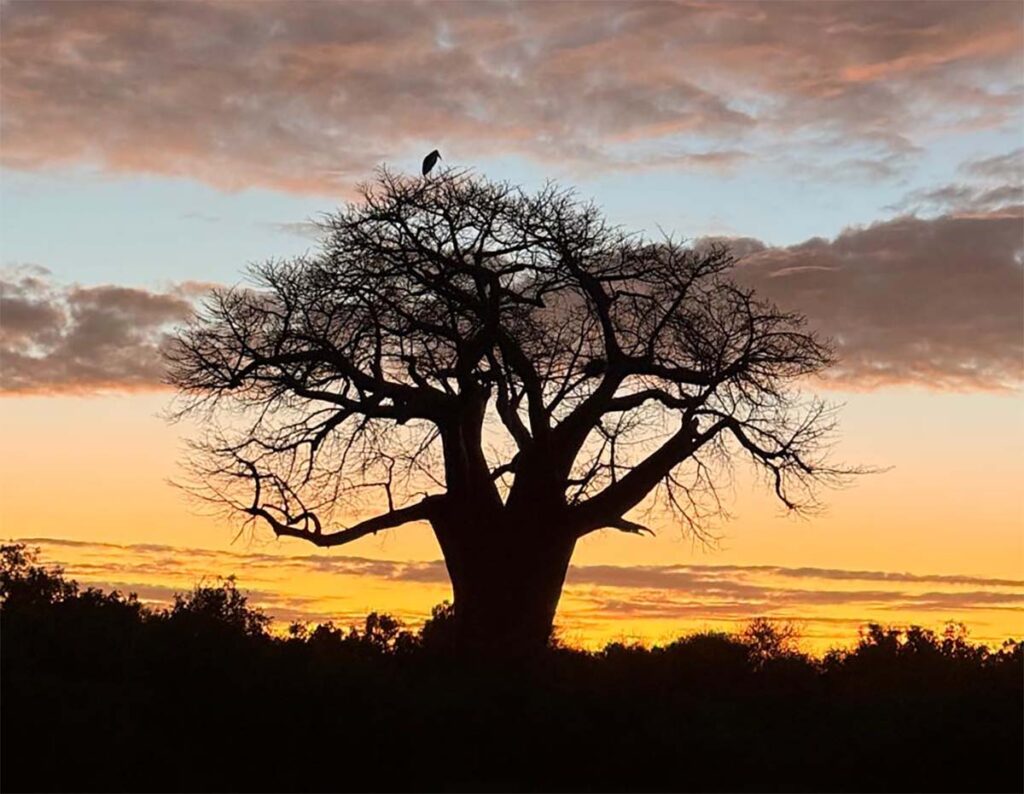
Africa’s Trends of the future
Eco-estates
We expect eco-estates to become significantly more popular going forward, especially among centi-millionaires and billionaires. For our purposes “eco-estates” refer to estates with natural indigenous wilderness areas, strong biodiversity and vast birdlife. Notable examples include Royalston, Finkenstein Estate, Vipingo Ridge and Likweti.
As the planet’s wild spaces diminish, eco-estates could play an increasingly big role in conservation, particularly when it comes to birdlife conservation and protecting the World’s Big 10 Eagles, which are all becoming increasingly endangered.
Solar roofs
Solar roofs are more aesthetically pleasing than traditional solar panels. They are also more expensive, which makes them most relevant to the high-net-worth segment. Tesla’s Solar Roof is a market leader in this segment.
Rainforest lodges
We expect to see a rise in ecologically friendly hobbies such as birding and catch & release fly-fishing. We also predict that rainforest lodges will become significantly more popular among affluent travelers – this should benefit countries in Equatorial Africa with rainforests such as the DRC, Uganda and Rwanda.
Africa’s greatest apex predator in danger of extinction
When one thinks of the king of the African savannah, one would probably think of the lion. However, another creature with a strong claim to the throne is the Martial Eagle.
The Martial Eagle is Africa’s largest and most powerful eagle. It tops the regional food chain and rules over its domain with a regal presence.
It is also among the largest eagles of the world, along with the Harpy Eagle (South America), the Philippine Eagle (Philippines) and the Steller’s Sea Eagle (Russia and Japan). The biggest eagle ever is the Haast’s Eagle of New Zealand, which was hunted to extinction in the 1400s.
Unfortunately, the Martial Eagle is now facing similar dangers. Martial Eagles have extremely large territories and even an area as large as the Kruger National Park can only host a small number of them. They therefore frequently nest in farmlands, where they are often unfairly targeted by farmers, even though they rarely attack livestock. Their diet consists mainly of hares, hyrax, small antelopes, monitor lizards and birds
According to Dr Gareth Tate, manager of the Birds of Prey Programme at the Endangered Wildlife Trust: “Changes in reporting rates from bird atlas surveys suggest declines of up to 60% over the last 20 years (1987-1991 vs. 2007-present) across South Africa. Unfortunately, large protected areas are not insusceptible to these declines. For example, reporting rates in Kruger National Park, an area often considered a stronghold for Martial Eagles, recorded a 54% decline in reporting rates.”
The Martial Eagle is currently listed as “endangered” by Birdlife International, with their populations falling fast. If current declines continue, they could go extinct within the next 20 years.
Research and Methodology
This is the 12th edition of the Africa Wealth Report, which is published annually by global wealth intelligence firm New World Wealth.
The wealth and HNWI stats in this report are calculated in-house, using a Lorenz curve model to determine the wealth tiers in each country/city. Key inputs in our model include:
- Household income statistics in each country.
- Market Cap of the local stock market.
- Tax data, with a special focus on income tiers. Typically an individual with an annual income of over USD 200,000 will be a high-net-worth individual.
- Family office numbers in each country – generally only centi-millionaires and billionaires can afford to have their own family office.
- Prime property statistics. Specifically, we consider the number of highly priced homes in each country/city.
- Wealth data from our in-house database of high-net-worth individuals. The database’s primary focus is on company founders and individuals from high-value companies who hold the following positions: chairperson, CEO, president, director, and managing partner. We collect city, country, work and educational details for these individuals.
New World Wealth’s model combines the above metrics in order to calculate the total wealth held in each country/city and the number of individuals in each wealth tier. For the top wealth tiers, namely, centi-millionaires and billionaires, the firm predominantly relies on its in-house database of high-net-worth individuals.
Notes
- The terms ‘millionaires’ or ‘high-net-worth individuals’ (HNWIs) refer to individuals with liquid wealth of USD 1 million or more.
- The term ‘centi-millionaires’ refers to individuals with liquid wealth of USD 100 million or more, whilst ‘billionaires’ refer to individuals with liquid wealth of USD 1 bn or more.
- For our purposes ‘liquid wealth’ includes equities, ETFs, cash, bonds, gold, and crypto holdings – namely, items that can be cashed in quickly.
- We exclude illiquid items such as property, family businesses and private equity, which is why our wealth figures tend to be lower than the other vendors.
- All figures as at 30 June 2026 and all in USD terms.
- HNWI figures rounded to the nearest 100.
Note: The top picture is AI generated using Google Gemini.