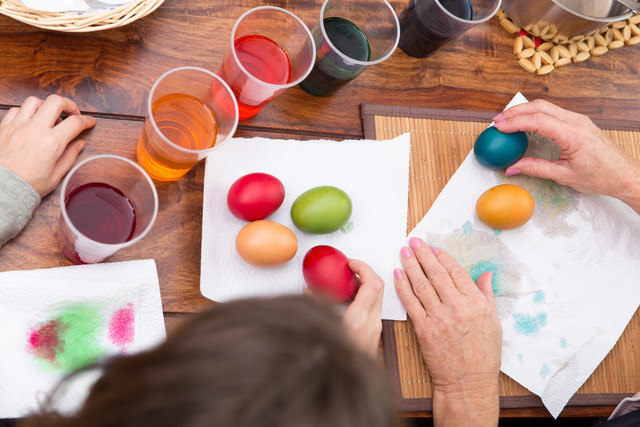
This Easter tradition for South African homes brings creativity, colour, and hands-on fun into the celebration.
Looking for a creative Easter activity at home? Miele South Africa shares a colourful European egg-decorating tradition. It brings hands-on fun into the kitchen. It is perfect for entertaining younger children over the long weekend.
23 March 2026, Johannesburg: Easter in South Africa often centres around family. It includes relaxed meals and time spent together. This year, Miele South Africa introduces a creative tradition. It adds a joyful, hands-on element to the celebration – Ostereier, or German Easter eggs.
Bringing a European Easter Tradition into South African Homes
Rooted in centuries-old European customs, decorating eggs symbolises renewal and new beginnings. Today, it offers a simple and engaging activity. It brings families together. Younger children especially enjoy the creativity and freedom of decorating their own designs.
“Easter naturally brings people into the kitchen,” says Sicelo Champion, Head of Brand Activation and Own Retail at Miele South Africa. “It is the perfect opportunity to introduce activities that are interactive, creative and enjoyable for all ages.”
From Tradition to Modern Technique
Traditionally, people boiled eggs before dyeing and decorating them. This method is still widely used today. However, modern kitchens now offer more precise and reliable options.
Using a Miele steam oven allows eggs to cook gently at a controlled 100°C. This results in evenly cooked eggs. It reduces the risk of cracking. It also removes guesswork around timing. The consistent temperature ensures repeatable results. This is especially useful when preparing multiple batches for decorating.
Another popular option is to hollow out the eggs. This involves making a small hole at both ends of the shell. Then gently blow out the contents. This leaves behind a lightweight, empty shell. However, these shells are fragile and can break easily.
Colour, Creativity and Flexibility

Once prepared, the eggs become a blank canvas.
Natural dyes such as beetroot, turmeric, red cabbage, and onion skins create soft, earthy tones. Standard food colouring offers a brighter and more convenient option. It works well when time is limited.
Decoration can be simple or detailed. Eggs can be painted, dipped, or splattered. You can also add stickers, ribbons, or pressed leaves. Children enjoy the playful and expressive process. Adults can create more refined and decorative designs.
Styling and Display Ideas
Decorated eggs can be used in many ways around the home. Place them in bowls or nests. Use them in table settings. You can also gift them to friends and family.
For a traditional display, thread hollowed eggs with ribbon. Hang them from branches placed in a vase or from indoor plants. You can also use a glue gun to attach ribbons or string to the eggs. Hang them easily this way.
This creates a simple yet striking Easter feature. It adds colour and a festive atmosphere to any space.
“These are the kinds of traditions that feel special because they are made, not bought,” says Champion. “It is about spending time together and creating something personal.”
Easter Tradition for South African Homes: Ostereier Recipe
Ostereier (German Easter Eggs)
By Miele
Ingredients
Eggs
12 eggs
Red or Pink Dye
250 ml water
2 tsp white vinegar
½ to 1 cup grated beetroot
Yellow Dye
250 ml water
2 tsp white vinegar
1 tbsp ground turmeric
Orange Dye
250 ml water
2 tsp white vinegar
Peels from 6 brown onions
Blue Dye
250 ml water
2 tsp white vinegar
1 cup shredded red cabbage
Brown Dye
250 ml water
2 tsp white vinegar
2 tbsp instant coffee granules
Method
Eggs
Place the eggs in a perforated steam container in the steam oven. Steam at 100°C for 12 minutes. Cool in cold water.
Prepare your chosen dye. Soak the eggs for up to 30 minutes until the desired colour is achieved.
Red or Pink Dye
Combine water and vinegar. Bring to the boil.
Reduce to a simmer. Add beetroot. Cook for 5 minutes.
Strain and discard solids.
Yellow Dye
Combine water and vinegar. Bring to the boil.
Add turmeric. Simmer for 5 minutes.
Strain.
Orange Dye
Combine water and vinegar. Bring to the boil.
Add onion skins. Simmer for 15 minutes.
Strain.
Blue Dye
Combine water and vinegar. Bring to the boil.
Add cabbage. Simmer for 10 minutes.
Strain.
Brown Dye
Combine water, vinegar, and coffee. Stir to dissolve.

Whether you keep it simple or turn it into a full creative activity, Ostereier offer a fresh way to celebrate Easter at home.
“It is these shared, hands-on experiences that people remember,” says Champion. “Something as simple as decorating eggs can become a tradition that children look forward to year after year.”
This Easter tradition for South African homes shows how simple activities can create lasting memories and meaningful family moments.