There is a profound alchemy that occurs when you refuse to look at raw potential through the lens of pity. For 27 years, the Kay Mason Foundation has operated on a basic premise: underserved youth do not need hand-outs; they need platforms. Founded by South African-born author, Richard Mason, the KMF has systematically dismantled traditional models of charity. Instead, it acts as a pipeline for transformation, identifying exceptional young minds from under-resourced backgrounds and placing them in the country’s top-tier educational institutions.
WORDS: JANE MAYNE :: PHOTOS: SUPPLIED
It is a deliberate, high-stakes investment in the architecture of human capability. And this year, that investment found its perfect visual metaphor at The Hummingbird Ball at the Zeitz Museum of Contemporary Art Africa (MOCAA) on 7 October, 2026.
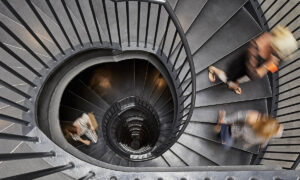
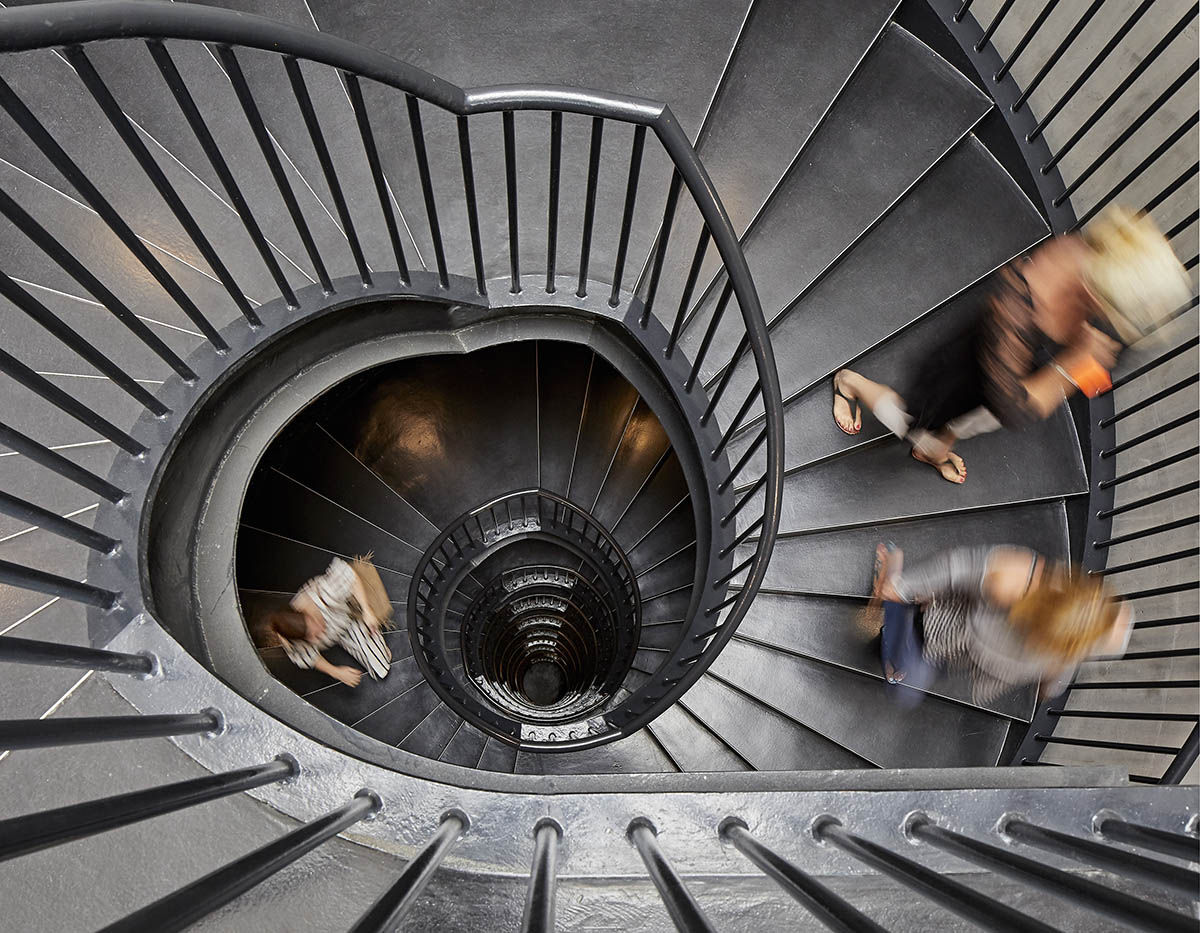
Once a disused grain silo — raw, industrial, and overlooked, it took vision, patience, and investment to reveal what the structure could become. Today, the museum stands as a monument to global culture, cutting-edge architecture, and fine art. Using this environment of pure African genius, KMF championed a fundamental truth: that future leaders deserve to be nurtured surrounded by the absolute best the continent has to offer.
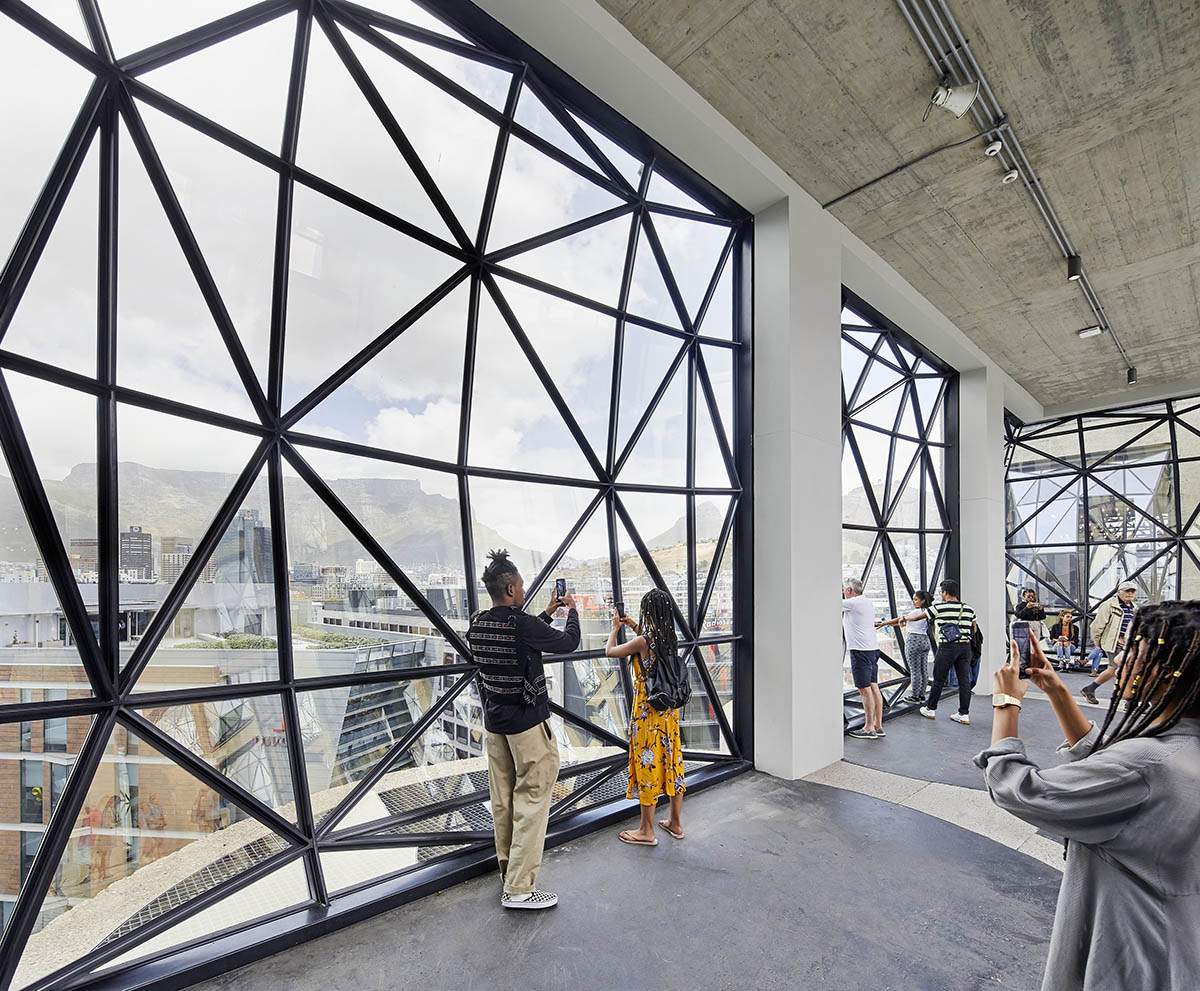
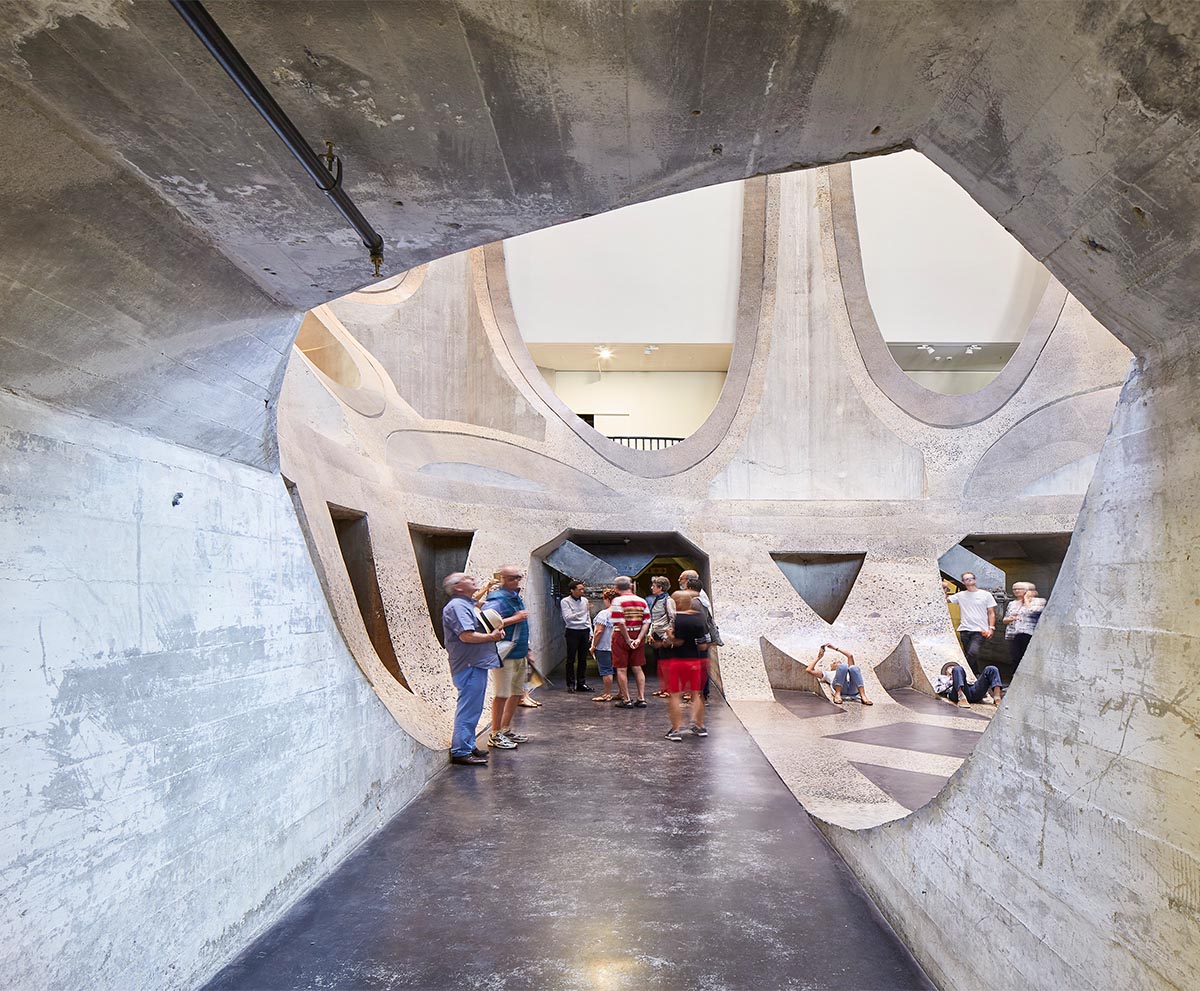
Opening doors, creating access
Zeitz MOCAA’s Head of Institutional Advancement, Justine Vlok, agrees with the parallel: “I loved that The Hummingbird Ball happened here – there is something very special about bringing people together in this space around a shared belief in what is possible when we invest in people. At its heart, both the KMF and Zeitz MOCAA are about opening doors, creating access and giving talent the opportunity to grow. It felt like a very natural fit for us.”
She adds: “Philanthropy is really about backing potential. South Africa does not have a shortage of talent. We have a shortage of equal access to opportunity, networks and resources. The role of philanthropy is to help close that gap. When you invest in a young person, an artist, an idea, or an institution, you are not simply funding what exists today. You are investing in what could exist tomorrow. And the return is much bigger than one person. It moves through families, communities and institutions. That is how you start building the future of a country.”
The power of creativity, a vision for the future
Liesl Hartman, Zeitz MOCAA’s Head of the BMW Centre for Art Education, expands: “The grain silo was originally designed with a completely different purpose and goal, but with the power of creativity and a vision for the future, the Zeitz MOCAA emerged as something truly unique. The museum prioritises the need to teach and nurture the next generation of creatives. This type of work is long term and requires the type of investment that KMF specialises in, investment aligned with care and long-term vision for the future generations emerging from this continent.”
“Creativity is a powerful tool for reimagining the world, a skill that will be vital for the challenges facing our future leaders emerging into a world with no easy or straightforward solutions. For many, the Grain Silo was seen as an eyesore, a waste of space and a remnant of the past. With the right minds and a creative vision, the building was transformed by turning its adversity into its greatest opportunity, honouring the legacy of the past while reimagining the potential of the future of contemporary African art,” she adds.
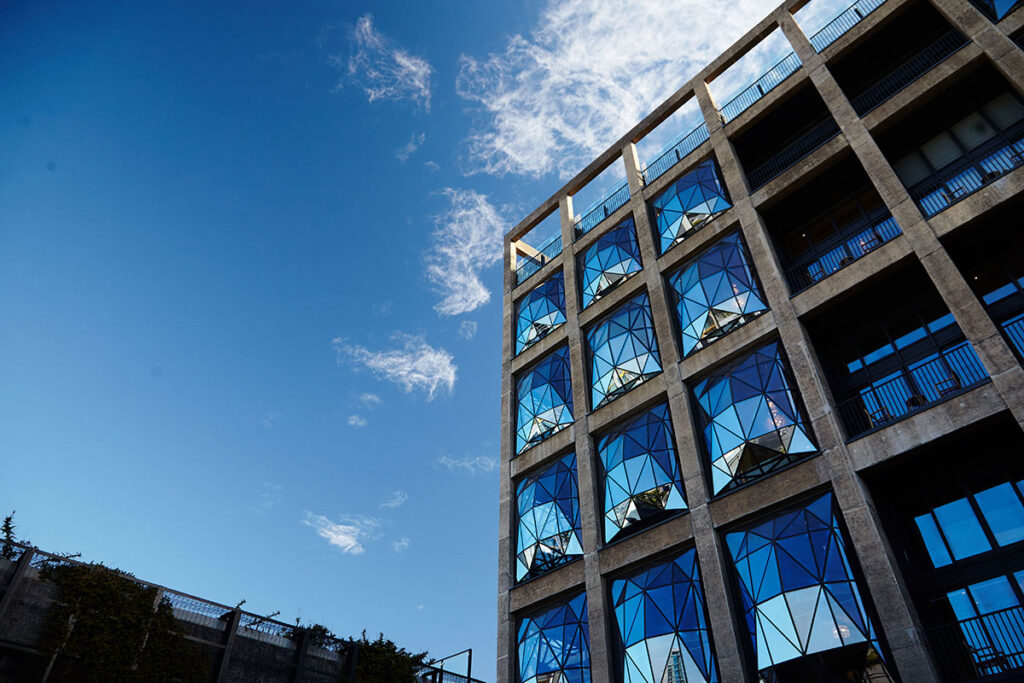
Exterior of the Zeitz Museum of Contemporary Art Africa. Picture: Bruno Rosa.
Imagining constraints as cues for creative thinking
What does she think guests at The Hummingbird Ball were left with when experiencing the venue through that lens? “I would hope they left feeling inspired to imagine constrictions as cues for creative thinking. We have so many existing resources, buildings and legacies of a different time and place that have simply fallen behind the needs of the contemporary world. However, planning for the future doesn’t mean having to completely abandon the past. There is room to build bridges and fuse the old and the new together to create extraordinary spaces and experiences.”
In terms of the museum’s ultimate educative impact, Hartman says this can be tricky to define when it comes to something as individual as art education. “Creativity requires time and care, which is difficult to grow without considered intervention. We treat every workshop, tour and engagement as a unique opportunity to connect with people in a way that leaves a long-lasting impact. These programmes are carefully designed and delivered with the utmost passion and dedication by knowledgeable educators who are also artists.”
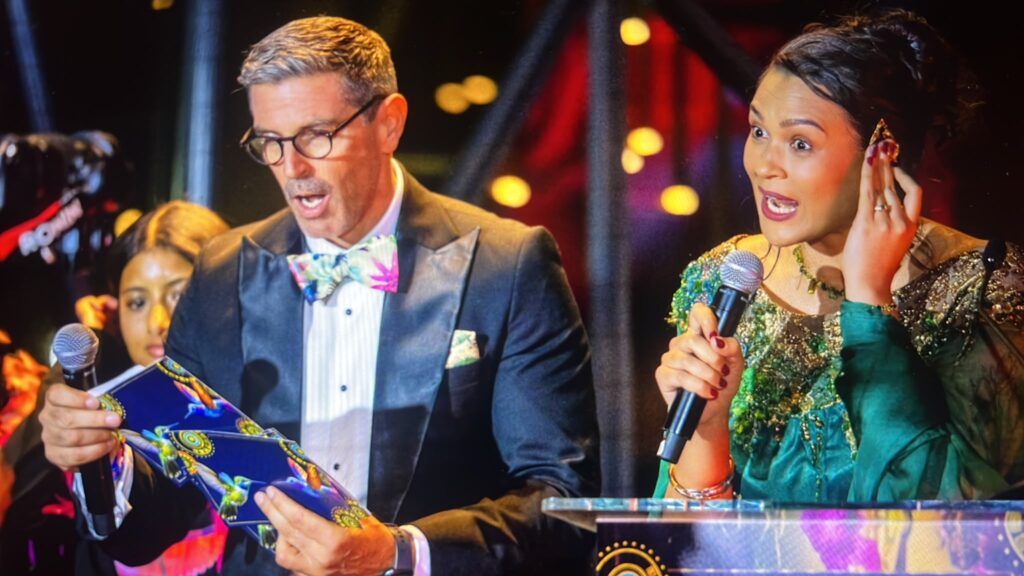
Kay Mason Foundation Hummingbird Ball hosts – KMF Founder Richard Mason and Dr Ziyana Lategan (UCT).
The language of mentorship, cumulative development
By staging the ball within this architectural marvel, KMF echoed the museum’s evolution from silo to cultural landmark, reflecting its own commitment to nurturing students as they realise their potential.
Dr Greer Valley, Senior Curator and Head of Curatorial Affairs, concurs. “There is a connection to the building in that sense. The grain silo was designed for a completely different purpose. Its transformation required imagination, investment and a willingness to see what else the structure could hold. I think the same principle applies to cultural institutions more broadly. You create the conditions for work to develop and for people to do interesting and ambitious things.”
What does the museum’s approach to mentoring young artists teach about bringing raw talent to its full expression? Dr Valley answers: “Good development takes time. People need space to experiment, build confidence, make mistakes, ask questions and work out what their own position is. That process cannot always be rushed into an exhibition, a publication or a career milestone. Mentorship is useful when it gives someone access to experience and knowledge without prescribing what they should become. A good mentor can open doors, give context, challenge someone and help them understand how the field works.”
“Practical support matters just as much. People need access to education, research material, production budgets, travel, networks, studios, and paid opportunities. Without that infrastructure, the language of mentorship can become quite empty. At the museum we see development as something cumulative. A fellowship, an internship, an exhibition, a public programme or a research opportunity can all become part of a longer trajectory.”
Pictures top to bottom: Hufton+Crow; Bruno Rosa, Hufton+Crow; Supplied; and Wianelle Briers.
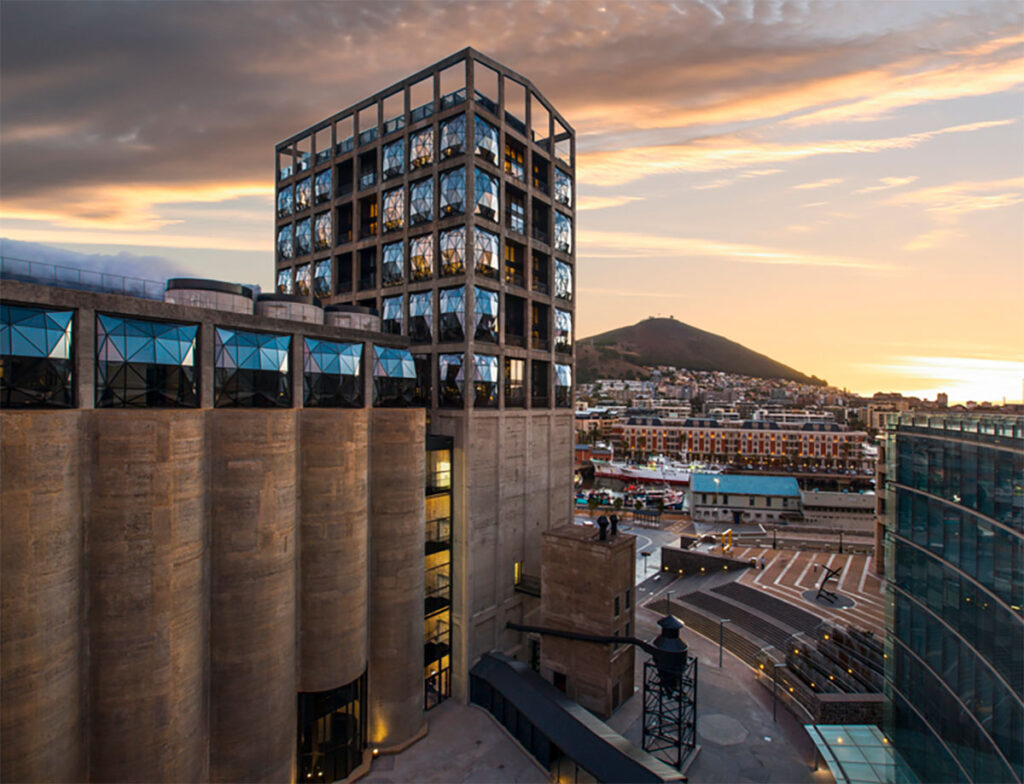
The Zeitz MOCAA in the V&A Waterfront district in Cape Town. Picture: Wianelle Briers