Luxury Lifestyle Estates & Wealth Migration in Southern and Pan-Africa (2026–2027).
Luxury real estate in Africa has entered a post-municipal era.
Between 2026 and 2027, capital is no longer chasing square meterage or prestige. It is pursuing certainty of service, infrastructure sovereignty, and insulation from systemic risk.
The defining asset class of this cycle is the Autonomous Enclave: lifestyle estates engineered to operate independently of failing public systems, with embedded energy, water, security, governance, and increasingly AI-driven optimisation.
These estates function as private mini-municipalities, offering investors:
-
Infrastructure sovereignty through self-generated power, secured water, and controlled services
-
Operational resilience, where reliability outweighs aesthetics or scale
-
Geopolitical and local insulation, providing stability in volatile jurisdictions
In this cycle, resilience replaces square meterage as the primary value metric.
Wealth is no longer buying homes – it is buying systems that work.
Macro-Economic Foundations & Market Catalysts
The Monetary Landscape (2026)
The 2026 – 2027 cycle represents a decisive departure from traditional property investment paradigms.
The South African Reserve Bank (SARB) maintains an accommodative monetary stance with the prime lending rate stabilising at 10.25% in early 2026. This follows a cumulative 150 basis-point reduction in the repo rate between September 2024 and November 2025 (down from 11.75%).
This easing has lowered the barrier for HNWIs to leverage portfolios, triggering a surge in transaction volumes suppressed during the 2022 – 2024 tightening phase.
For an executive with a R2,000,000 mortgage, these cuts translate to monthly savings of approximately R1,978 compared to the 2024 peak.

House Price Inflation (HPI) & Real Value
National HPI remains modest at approximately 3.2% year-on-year (January 2026).
October 2025 marked a pivotal shift where HPI (4.9%) outpaced consumer inflation, resulting in a 1.25% real-value gain – the first since the pandemic.
The luxury segment is significantly outperforming the broader market:
- Western Cape HPI: 8.5%
- Johannesburg HPI: 2.3%, with resilience in secure northern suburbs
- Luxury rental yields: 7–8% nationally due to high-end stock scarcity
Liquidity released via lower bond repayments is being redeployed into energy, water, and smart-home resilience, not consumption.
The Anatomy of the Africa’s Autonomous Enclaves
The Resilience Mandate
The ‘resilience score’ has surpassed square meterage or aesthetics as the primary determinant of property value. Municipal infrastructure failure has created a premium for developments offering integrated, off-grid solutions for energy, water, and security. Decoupling from the municipal grid is now a fundamental requirement for capital preservation.
Energy Autonomy & EPCs
Energy resilience has shifted from a luxury add-on to a mandatory baseline.
As of January 2026:
- 60%+ of new residential builds include alternative energy (predominantly solar PV)
- Standard luxury specification:
- 5kW – 10kW solar systems
- 4 – 8 hours battery storage
These technologies add 8% – 15% to construction costs, yet properties with comprehensive solutions trade at 10% – 20% premiums.
Energy Performance Certificates (EPCs), mandatory for non-residential buildings since late 2025, are now bleeding into residential valuation logic.
Water Security & AI Management
South Africa receives 50% less precipitation than the global average, making water security a critical boardroom agenda.
Blue Drop scores illustrate decline:
- 44 systems achieved 95% compliance in 2014
- Only 26 by 2023
- Nearly 30% of systems are now in “critical” condition
Estates are internalising the full water lifecycle via reverse osmosis plants, rainwater harvesting, and greywater recycling.
AI-powered pseudo-metering uses neural-network algorithms for predictive leak detection and demand forecasting where physical meters are absent or vandalised.
Next-Gen Tech: Agentic AI & Security

The 2026 ultra-luxury home is defined by Agentic AI – intelligent systems capable of autonomous enclaves action.
These include:
- AI butlers coordinating routines and service providers
- Biometric security with facial recognition and real-time threat detection
- Predictive maintenance monitoring structural, electrical, and plumbing integrity
Wealth Migration Dynamics
The South African Shift (Semigration)
South Africa hosts 34% of Africa’s millionaires, but where that wealth lives has changed permanently.
Semigration from Gauteng to the Western Cape and coastal KZN has evolved into a structural feature.
The Western Cape now leads Gauteng in millionaire concentration:
- Western Cape: ~17,300 HNWIs
- Gauteng: ~14,000 HNWIs
Cape Town is on track to overtake Johannesburg as Africa’s wealthiest city by 2030.
Ultra-luxury transactions above R50M and R100M increasingly occur off-market – the ‘Quiet Deal’. Cape Town has already overtaken Joburg in centi-millionaire (USD 100m+) concentration as of late 2025.
Regional HNWI Redistribution (10-Year Trend)
- Mauritius: +105% (tax neutrality + residency)
- Morocco: +40% (EU proximity + green FDI)
- Nairobi: +25% (tech + regional HQ demand)
- Nigeria: –47% (FX volatility + political risk)
Capital consolidates into coastal, USD-linked, policy-stable corridors.
South African Provincial Luxury Mapping
Western Cape – Global Lifestyle Hub
- Atlantic Seaboard / City Bowl: Africa’s most expensive residential strip; Clifton exceeds R100,000/sqm
- Southern Suburbs: Bishopscourt and Upper Constantia rentals exceed R100,000/month
- Garden Route: George emerges as a “town for all reasons” due to municipal performance and airport proximity
Gauteng – The Financial Engine
Demand concentrates in fully integrated estates despite municipal decay. Northern suburbs and Waterfall-Midrand remain essential for financial elites.
KwaZulu-Natal – Coastal Value (Paarl–Franschhoek)
Umhlanga and Ballito are primary Semigration targets.
Average Umhlanga prices sit at R5.5M, double the Durban metro average.
Emerging Frontiers
- Wildlife Semigration: Hoedspruit (Limpopo)
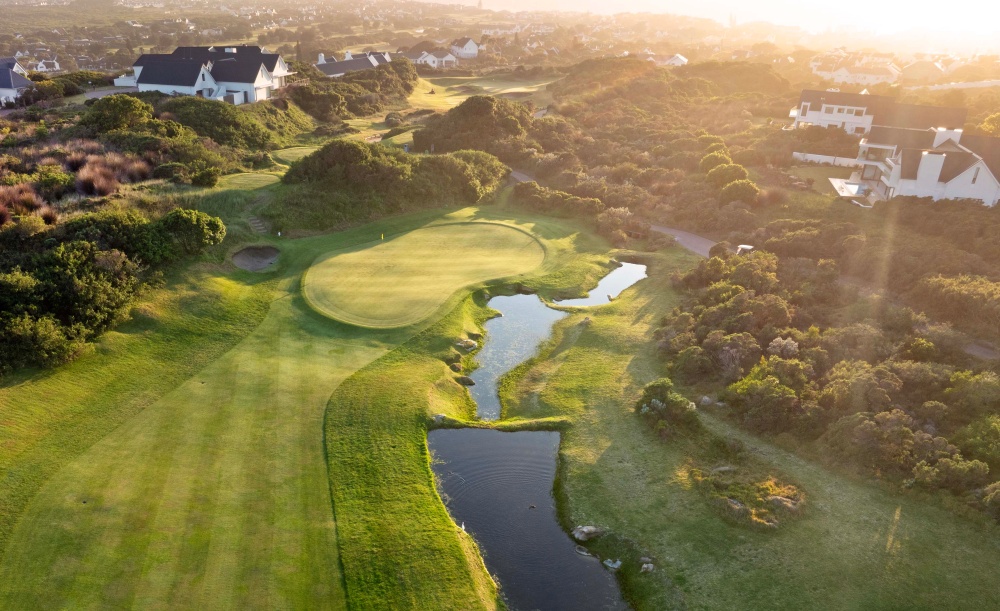
- Eastern Cape: St Francis Bay and Royal Alfred Marina offer canal living at a fraction of Cape prices
The SA Landscape: Detailed Estate Investment Profiles (2026–2027)
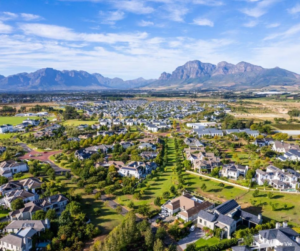
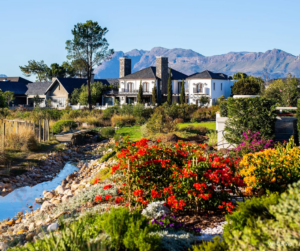
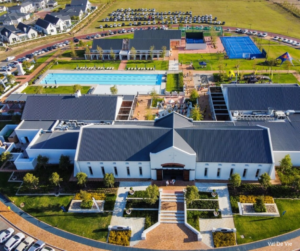
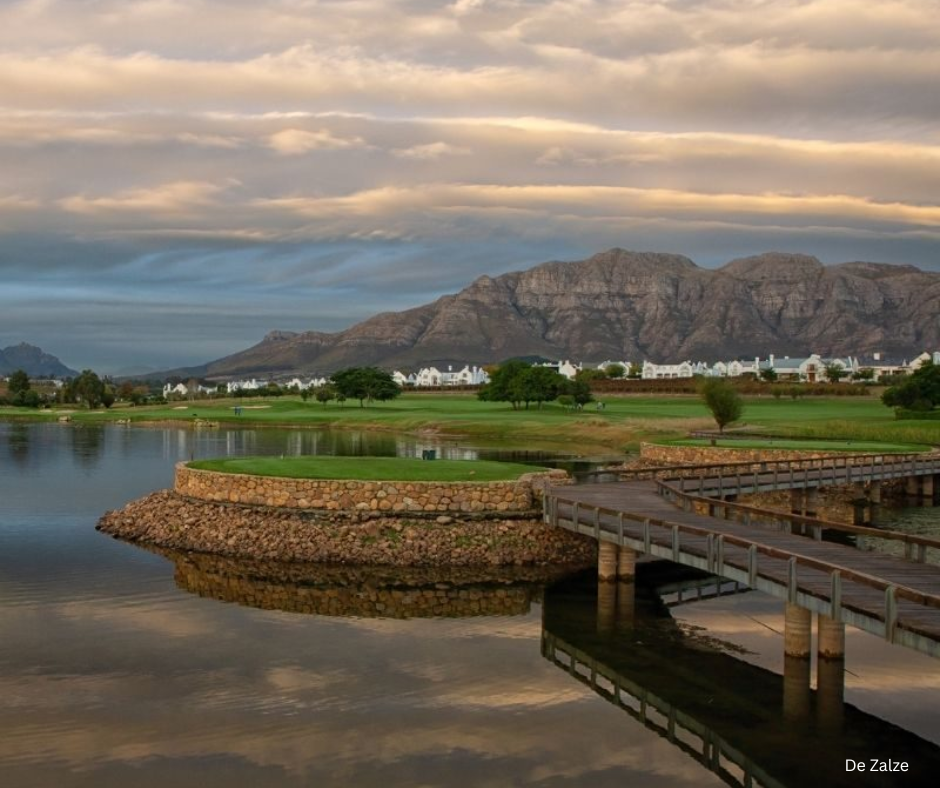
Size / Security: ±1,000 hectares; cited as the safest estate in Africa
Resilience: Fully serviced by Val de Vie Utilities; moving toward eliminating load-shedding
Pricing:
- 1–2 Bed Apartments: R2.0M – R3.5M
- Family Homes: R6.0M – R14.0M
- Luxury Villas: R15.0M – R30M+
- Lifestyle Holdings: R30M – R70M+
Who lives here
Multi-generational South African families, former Gauteng business owners, Cape Town entrepreneurs, and European semi-residents (UK, Germany, Netherlands, Switzerland).
Steyn City
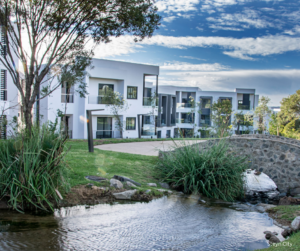

Concept: 900-hectare private city; R6.5bn infrastructure investment
Resilience: Own reservoirs and generators
Pricing:
- Apartments: R7.9M – R12M
- Executive Homes: R15M – R25M
- Trophy Residences: R33M+
Growth: Erven achieved 15–18% annual gains by 2025
Who lives here
CEOs, founders, private-equity partners, pan-African executives, diplomats.
Zimbali Lakes
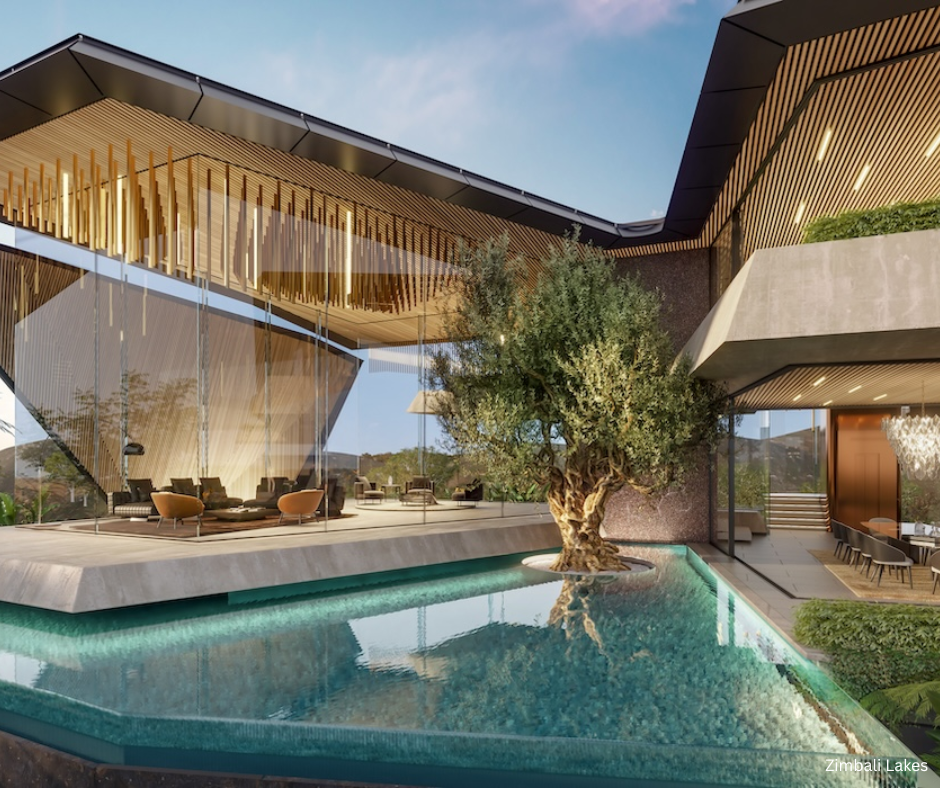
Sales: R280M in 9 months (2025)
Pipeline: 1,000+ stands launching <R1M in 2026
Who lives here
Younger families, remote executives, consultants, tech founders, Doctors, Lawyers and Pan African families.
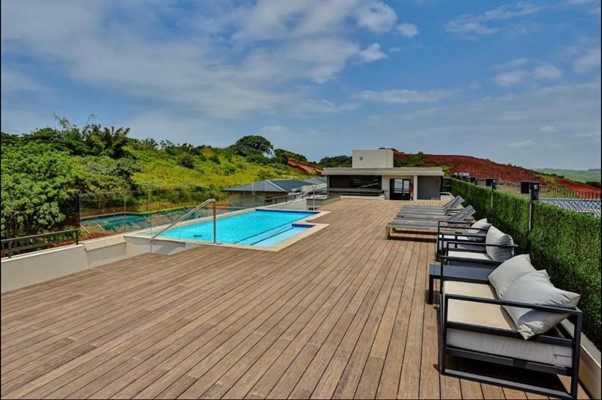
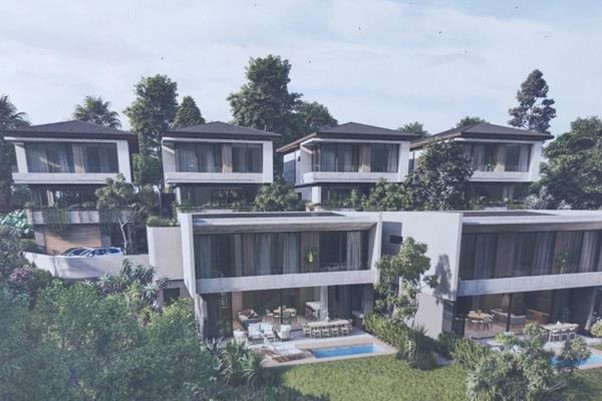
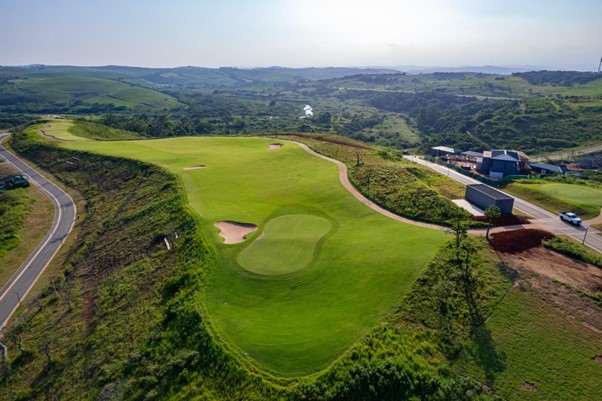
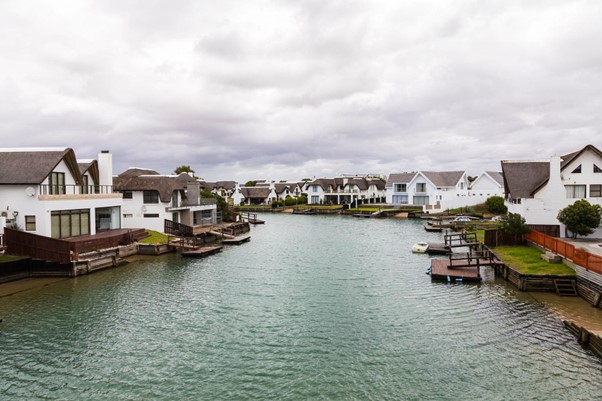
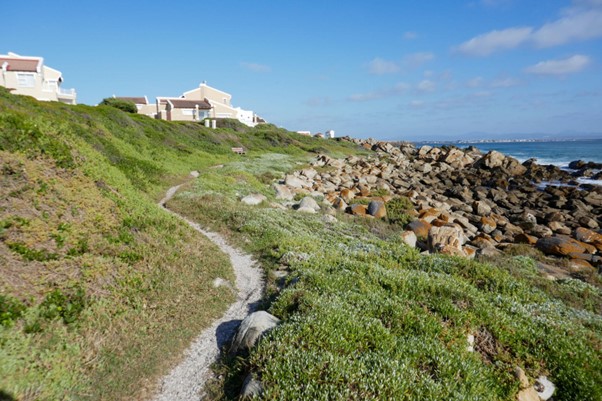
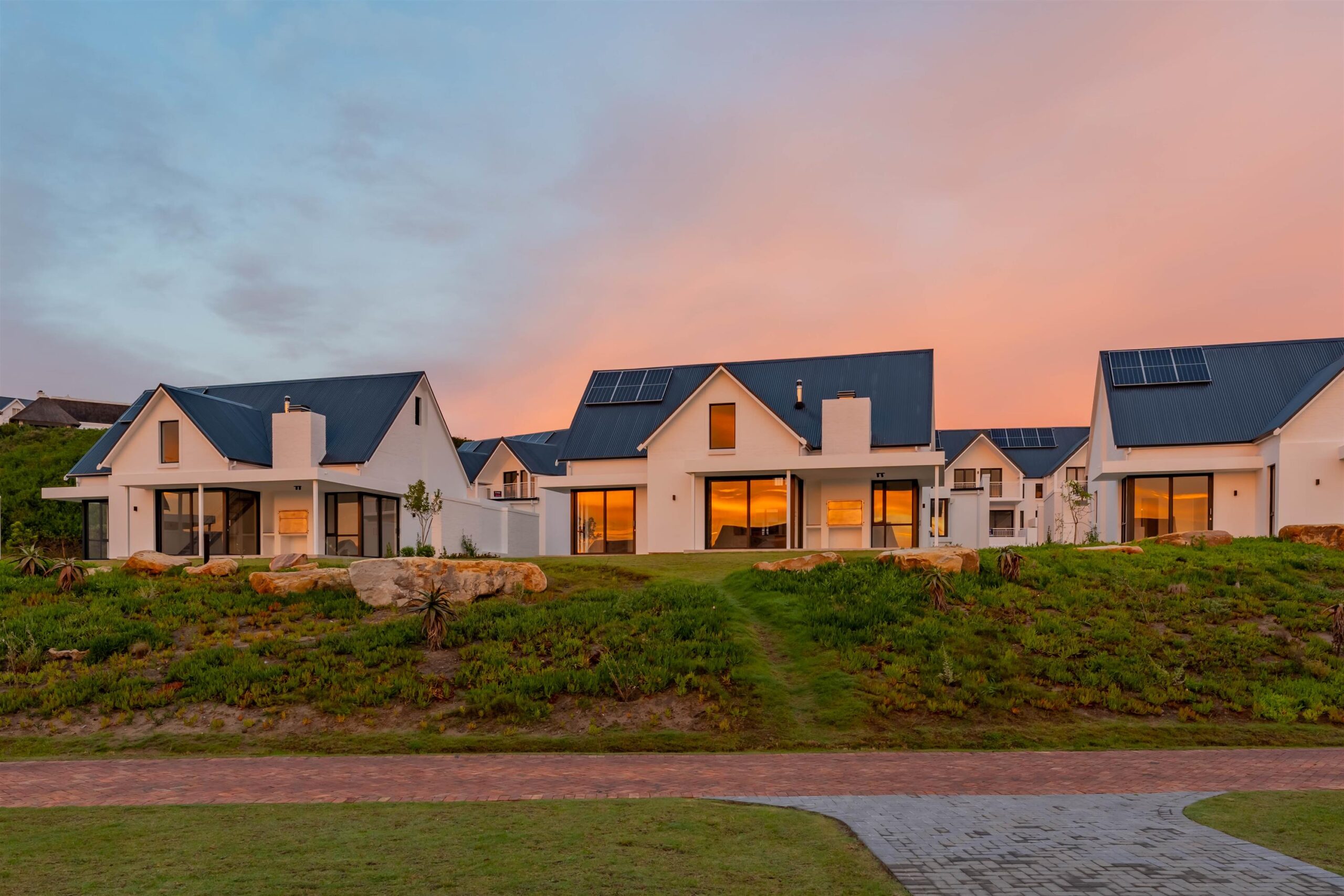
Average Sales Price: ±R5.5M
Record Sale: R37M (2025)
Who lives here
Early retirees, professionals exiting the Western Cape, quiet wealth.
Zandspruit Bush & Aero Estate
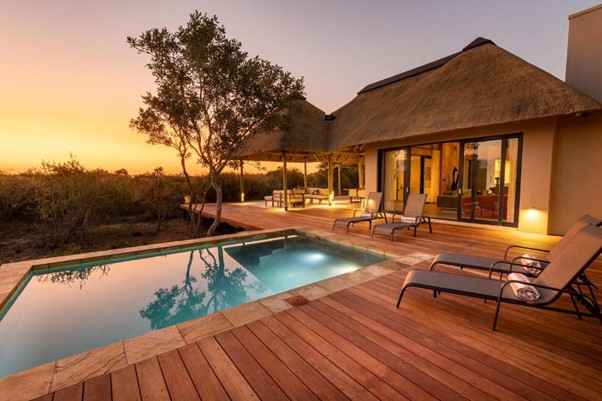
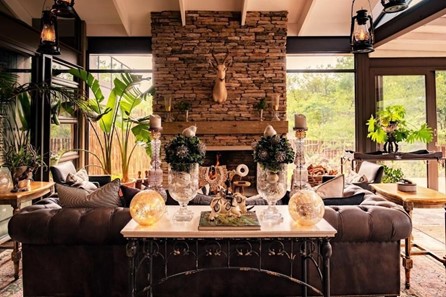
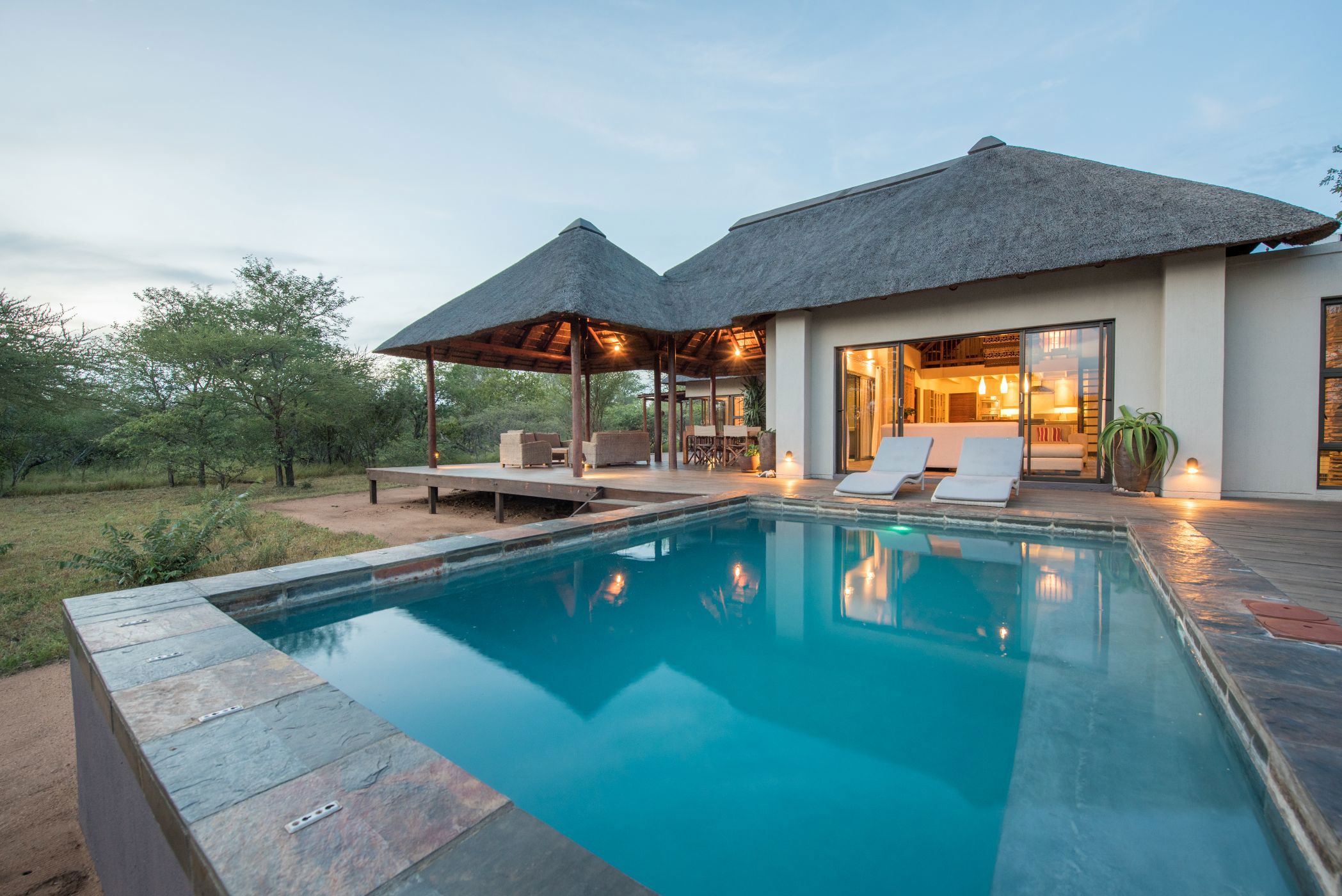
Aero Stands: 38 with 1,000m hard runway
Land: 1,000ha; 650ha wilderness
Who lives here
Ultra-high-net-worth individuals and private pilots.
Pan-African & International Horizons
- Mauritius: 6%–8% USD yields; residency threshold USD 375k
- Morocco: Africa’s top real-estate investment destination (2026)
- Egypt: $35bn Ras El Hekma luxury mega-node
Future Outlook (2027)
- Municipal bifurcation accelerates
- Energy autonomy defines asset-class eligibility
- Trade shocks weaken currencies → hard-asset rotation
- Regulation favours branded, professionally governed residences
Resilience Is the Asset
The 2026–2027 cycle ends the era of passive luxury ownership.
The winning assets are not the most beautiful – they are the most reliable. Capital will continue to concentrate in estates that deliver infrastructure certainty, governance clarity, technological autonomy, and global liquidity relevance.
The Africa’s autonomous enclave is not a trend. It is the operating system of African luxury real estate.