The likes of ooba Group CEO Rhys Dyer highlight the growth taking place in the property industry thanks to the previous three rate cuts and a stable interest rate environment, paving the way for further growth in 2025. We also hear from Tyson, Seeff, Pam Golding Property, Rawson, Jawitz, Landsdowne Property Group, FIRZT Realty, Century21, Lew Geffen Sotheby’s and Chas Everitt International.
WORDS & PHOTOS: SUPPLIED
Rawson Property Group – Leonard Kondowe, National Manager at Rawson Finance
Property market poised for growth as SARB trims rates again

Leonard Kondowe
In a widely anticipated move, the South African Reserve Bank (SARB) has announced a 25-basis-point cut to the repo rate, bringing it down to 7.25%. This marks the second interest rate reduction in 2025, continuing the SARB’s gradual easing cycle that began in September last year, aimed at boosting affordability and stimulating economic recovery.
According to Leonard Kondowe, National Manager at Rawson Finance, this decision could not have come at a better time. “This rate cut is a breath of fresh air for consumers who’ve been managing tight budgets under high interest rates,” says Kondowe. “Even a small reduction can have a meaningful impact on monthly bond repayments, which is particularly helpful for first-time buyers entering the market.”
What the rate cut means for homeowners
Most South African home loans are linked to the prime lending rate, which has now dropped to 10.75%. This directly lowers monthly repayments for bondholders.
“It’s not a dramatic saving month-to-month, but it adds up quickly over time,” says Kondowe. “And for households already feeling stretched, even a small relief can create room to breathe – or better yet, room to save.”
He encourages homeowners not to absorb the difference into daily spending but rather to continue paying their bond at the previous higher rate if they can. “Every extra rand paid into your bond now reduces the interest you’ll pay over the long term,” he explains. “That financial buffer could also prove valuable if rates rise again in future.”
Opportunity for first-time buyers
Lower interest rates also mean improved affordability – a game changer for first-time buyers who may have previously found property just out of reach. “This announcement could expand the number of people who qualify for financing,” says Kondowe. “That creates a golden opportunity for new buyers to take the leap into homeownership – especially while prices in many markets remain competitive.”
Kondowe is quick to stress, however, that better affordability doesn’t mean buyers should max out their credit potential. “Just because you qualify for more doesn’t mean you should stretch to the limit,” he warns. “Stay within your means, and don’t forget to factor in all the costs of owning a home – from maintenance to municipal rates.”
The importance of prequalification
With buyer activity expected to rise in response to the rate cut, Kondowe stresses the value of prequalification. “Prequalification gives you a clear picture of your financial position and what you can realistically afford,” he says. “It also strengthens your offer when competing for a property – especially in a market where stock in the lower to mid brackets is moving fast.”
Rawson Finance offers a free prequalification service, giving buyers access to tailored advice and bond comparisons across all major lenders. “Getting prequalified is quick, simple, and one of the smartest moves you can make,” Kondowe adds. “It takes the guesswork out of your home search.”
What this means for the market
Historically, interest rate cuts help stimulate the property market, and 2025 appears to be following that trend. Improved affordability and a more optimistic economic outlook are expected to drive renewed interest in property purchases.”This rate cut won’t create an overnight boom, but it’s an important psychological shift,” says Kondowe. “Confidence is coming back. People are beginning to plan again, and property is once more part of that conversation.”
Make the most of the momentum
For those considering a move – whether it’s buying a first home, upgrading, or investing – now is a good time to explore your options. “Even if you’re not quite ready to purchase, it’s worth understanding what’s possible,” says Kondowe. “With rates now heading in a more favourable direction, early planning and preparation can put you in the perfect position to act when the time is right.”
Tyson Properties – Chris Tyson and Francois du Toit
Current interest rate is the new normal in suburbia
For Tyson Properties CEO, Chris Tyson, today’s decision by the Reserve Bank’s Monetary Policy Committee (MPC) to drop the repo rate by 0.25 basis points from 7.5% will be a welcome reprieve for both property owners and investors.

Chris Tyson
Although a series of interest rate cuts were predicted for the first half of 2025, this hit a pause when the central bank left rates steady in March. The continued global uncertainty that followed US President Donald Trump’s so-called tariff tsunami together with local upheavals surrounding the 2025 government budget and elevated unemployment called for restraint.
Tyson points out that, although there were indicators that suggested that the Reserve Bank could either drop or even increase interest rates, it had decided to give South Africans some cause for optimism. This latest interest rate drop is also likely to counter the depressed economic growth forecast announced in the Finance Minister’s third budget last week.
Tyson Properties director, Francois du Toit, says that although inflation remain below the mid-point of the target range at present, the fuel levy hike announced in the budget last week will filter into all essential goods and household expenses and could once again push up inflation. He expects ongoing economic headwinds which are likely to reign in interest rate cuts for the time being.
Tyson adds: “Our inflation rate is quite low at the moment. I think, given the ongoing uncertainties in the market, the Reserve Bank will wait at least another six months just to see where things are going.”
At best, Tyson foresees the possibility of a 0.25% or 0.5% decrease towards the end of this year.
“I think that the current interest rate scenario is where our new norm is going to lie. It might go down a little bit, it might go up a little bit, but I think that people must budget according to where interest rates are right now. This is the level with which we are going to have to work. If it drops a little, then this will be a bonus. If it goes up bit, they will have been prepared,” he advises.
Although Tyson says South Africa is unfortunate not to have a stable interest rate environment – a scenario that is likely to continue for at least the next five years, Tyson believes that the property market remains resilient: “We spent the last couple of years straight after COVID seeing record lows and little mini property boom. When those rates began to increase, people found that they could no longer afford the houses they had bought. We struggled to sell houses because expectations were too high. Interest rates began to level off and the market picked up again. Then along came Trump and markets became nervous again. Now I tell our agents and our principals to take a different view and to see the market in which we are working as a good one already. We can work with what we have and run our businesses according to the hand that we have been dealt. We cannot sit and wait for interest rates to come down for the market to improve.”
Rhys Dyer, CEO of the ooba Group
Rate Cut to Spur Growing Momentum in Property Sector

Rhys Dyer
Today’s announcement of a 25-basis point rate reduction marks another milestone for the residential property sector, lowering the repo and prime lending rates to 7.25% and 10.75%, respectively, and marking the fourth rate cut since September 2024.
This news bodes well for both homeowners and potential homebuyers, and is set to increase activity in a property market that’s steadily regaining momentum.
Rhys Dyer, CEO of the ooba Group, commends the South African Reserve Bank (SARB) for their decision. “The SARB has taken the correct decision to lower rates which will support consumers and the industry at large, and we have no doubt that this rate cut will make a big impact.”
Some of the Key Factors That Drove the Decision
Dyer unpacks a few of the key reasons for the rate cut as follows: “The latest headline consumer price index (CPI) figure for April edged up slightly to 2.8% from 2.7%, but remains below the 3% lower limit of the Reserve Bank’s inflation target range,” he says. “The increase was largely attributed to higher food prices, which were offset by the continued easing of fuel prices, which declined by 13.4% from year-earlier levels (as per StatsSA).”
This is further bolstered by the positive market sentiment following last week’s Budget Speech. “The Budget Speech represented a collective compromise between the parties, signalling a more unified GNU that is committed to working cooperatively,” says Dyer. “One of the key Budget takeaways that will help boost investor confidence in the property sector is the government’s joint commitment to review spending in an effort to stabilise its debt levels.”
New homebuyers can also look forward to welcome savings, thanks to the official announcement of an unchanged VAT rate and the raising of the property transfer duty exemption threshold by 10%. The adjustment means that any properties purchased under the R1.21 million mark are exempt from paying transfer duties with all subsequent tiers also increasing by 10%.
Local Homebuying Market Remains Resilient
The market continues to respond positively to the stable interest rate environment and supportive lending by the country’s major banks as they continue to compete for market share.
“In April, our national average purchase price rose to R1.67 million – a year-to-date increase of 4.2%” says Dyer.
ooba’s Index Activity, which closely tracks Deeds Office sales data, rebounded modestly in April from a December ’24 low as household finances continued to improve off the back of petrol price cuts, modest interest rate cuts and subdued price pressures.
“We also recorded our most competitive interest rate since 2022 at prime less 0.65% in April – a key indicator of the banks’ willingness to compete for home loan business and to bolster activity.”
Adding to the momentum is the growth in the loan-to-value (LTV) ratio across both first- and second-time homebuyers. “As per ooba Home Loan’s data, both the average and first-time LTV ratios were up by 1% year-to-date at 85.1% and 90% in Q1 ‘25.”
Dyer does however note that this interest rate cut was needed to restimulate activity levels in the first-time homebuyer category, in particular. “First-time homebuyers are known to be typically rate-sensitive. Our latest data highlights that the recovery in activity in this key segment, triggered by initial interest rate relief, has now stalled at around 46.5% of the applications received in recent months. Following this rate cut, it will be interesting to see if the segment regains strength over the next few months.”
Looking ahead, Dyer remains optimistic. “With competitive interest rates, a supportive fiscal environment and growing investor confidence, South Africa’s property market appears well-positioned for steady growth.”
Dr Andrew Golding, chief executive Pam Golding Property
Very welcome interest rate relief for consumers – including home buyers and mortgage applicants
Subdued economic growth, low inflation and weaker consumer and business confidence made a compelling case for further interest rate relief, which manifested at this month’s (May) MPC meeting, says Dr Andrew Golding, chief executive of the Pam Golding Property group.
The 25bps reduction sees the SA Reserve Bank repo rate reduced to 7.25% which means the prime lending rate drops to 10.75%.

Dt Andrew Golding
Encouragingly, with inflation remaining below 3% (2.85% in April), the Monetary Policy Committee seized the opportunity to give South Africa’s economy a much-needed boost in sentiment.
Furthermore, with Inflation surprising on the downside in recent months and, with a petrol price cut likely next month (June) – although partially offset by the 15 cents per litre hike in the fuel levy – price pressures are likely to remain subdued. The consumer inflation rate is currently well anchored below the lower limit of the 3%-6% inflation target.
Coupled with this is the fact that local economic recovery was sluggish in the first quarter of the year, with GDP growth forecasts downgraded to around 1.5% for 2025. In addition, consumer confidence trended downwards, partly due to the proposed 2% VAT hike and general increase in the tax burden in the 05/06 Budget.
Meanwhile, the hike in the fuel levy, instead of a VAT hike, is likely to stress already constrained household finances. Apart from providing some debt relief for consumers in general, a reduction in the interest rate is a positive indicator for sentiment in the housing market, providing encouragement for those with existing mortgages or seeking credit to buy their first home. According to ooba Home Loans, the recovery in first-time buyer demand has stabilised at around 46.5% of applications as consumer confidence weakened amidst a higher tax burden – with no allowance made in the Budget for tax bracket creep to allow for inflation.
Fortunately though, South Africa’s housing market is currently underpinned by a rising demographic of young, aspirational home buyers and renters, which in turn creates a positive ripple effect in demand across all sectors of the market. In addition, market activity is stimulated by movement between provinces and properties changing hands due to lifestyle circumstances, while in the luxury market, iconic, high-end properties remain in demand in sought-after locations. Testament to ongoing activity in this luxury sector of the market is Pam Golding Properties’ recent sale of two adjacent erven in prime Nettleton Road in Clifton on the Cape’s Atlantic Seaboard for R170 million.
Analysts arguing for a rate cut ahead of the MPC’s decision noted that at least 15 major central banks have cut interest rates since early-April, when the US administration triggered a wave of turmoil with punitive tariffs hikes which were subsequently temporarily paused.
Given the weak state of the local economy and the benign inflation rate, the Reserve Bank appears to have followed the lead of these banks.
Among the numerous global trends, lower oil prices and a long-term weakening in the US dollar against a basket of its peers could mean a more benign inflation outlook in SA – creating scope for further interest rate relief.
That said, the Bureau for Economic Research (BER) notes that it is a matter of time before the Reserve Bank introduces a lower inflation target, which will also discourage further interest rate cuts as the Bank attempts to anchor inflation expectations around the new, lower inflation target. Given that further rate relief was placed on hold earlier this year due to global developments, the Reserve Bank may now decide to pause to introduce the lower inflation target – which most agree will help further reduce the inflation rate and thus ultimately create scope for additional rate cuts in the future.
Samuel Seeff
Rate cut welcomed, but economy needs more
Welcomed, but the economy needs more, says Samuel Seeff, chairman of the Seeff Property Group, following the interest rate cut of 25bps announced today by the Reserve Bank.

Samuel Seeff
This is the fourth rate cut by the Reserve Bank since the latter half of last year and reduces the repo rate to 7.25% (from 7.50%), and the prime rate to 10.75% (from 11%). Seeff, however, believes the Bank missed a crucial opportunity to provide a more meaningful cut of at least 50bps as a vital boost for the economy, consumers and the property market.
The conditions for a robust rate cut are ideal given the remarkably low inflation which, despite the recent benign increase to 2.8% is still comfortably below the SARB’s 3-6% target range. Additionally, despite global volatility, the strengthened Rand poses no risk of igniting an inflationary spiral, given the subdued demand-side pressures.
Seeff says that at this pivotal juncture, there is nothing more critical right now than economic growth and job creation. Lowering borrowing costs would stimulate business investment and crucially, put more money back into the pockets of consumers, thereby boosting spending.
Even with the latest rate cut, the interest rate is still above pre-Covid levels. Seeff says this continues to erode any benefits from previous rate adjustments and remains an impediment to real economic growth so vitally needed.
The high interest rate has done considerable damage to the economy. Consumers are struggling, and while this rate cut will bring much needed relief, Seeff says more needs to be done given the dire need for economic growth and jobs.
The property market currently still lags the pre-Covid volumes with the first quarter of this year disappointingly some 10% down compared to the same time last year. Further interest rate cuts are needed to drive higher sales volumes which would leverage the property sector’s significant economic multiplier effect to further boost economic growth.
Nonetheless, Seeff says this rate cut will be a boost for affordability and enable more first-time buyers to get into the market. The continued positive mortgage lending environment further adds to the good buying conditions. We are also seeing improved price growth in areas where stock levels are depleting which is good news for sellers too.
As a result of the 25bps rate cut, mortgage repayments will reduce by:
R750 000 bond – from R7,741 to R7,614 – thus saving R127
R900 000 bond – from R9,290 to R9,137 – thus saving R153
R1 000 000 bond – from R10,322 to R10,152 – thus saving R170
R1 500 000 bond – from R15,483 to R15,228 – thus saving R255
R2 000 000 bond – from R20,644 to R20,305 – thus saving R339
R2 500 000 bond – from R25,805 to R25,381 – thus saving R424
R3 000 000 bond – from R30,966 to R30,457 – thus saving R509
R5 000 000 bond – from R51,609 to R50,761 – thus saving R848
(Based on a 20-year repayment period at the prime rate)
Landsdowne Property CEO Jonathan Kohler
Latest rate cut brings a sense of stability to the residential property market
The Reserve Bank’s decision to cut interest rates by 25 basis points offers much-needed relief to homeowners and prospective buyers, reinforcing market stability and improving affordability in the residential property sector.

Jonathan Kohler
Jonathan Kohler, CEO of Landsdowne Property Group, welcomed the rate cut, highlighting its potential to ease borrowing costs and create opportunities for buyers and investors alike.
“This reduction provides some breathing space for buyers, particularly those in the R800 000 to R2 million range, where affordability is key. Lower interest rates mean improved financing conditions, helping more South Africans enter the property market,” Kohler said.
Kohler added that the latest rate cut should be seen in the context of the three previous rate cuts since September last year. Before the start of the lower interest rate cycle, homeowners would have paid R10 837 per month on a bond of R1 million financed at the prime rate over a 20-year period. The latest rate cut lowers this amount to R10 152, a collective saving of R685 per month.
Positive market signals
Alongside the scrapping of the proposed VAT hike last month, South Africans can now retain more disposable income, encouraging homeownership and investment in the property sector.
Kohler said that increased buyer confidence is driving demand in growth areas such as Midrand, Fourways, and Soweto, where affordability remains a strong drawcard. He added that banks are increasingly open to granting 100% bonds, supporting accessibility for first-time buyers.
Stimulus for developers & investors
Kohler noted that the rate cut brings clarity for developers and investors, allowing for more accurate planning and pricing.
“It creates momentum in the market, especially for secure, well-located rental properties, which continue to offer solid returns. While further rate cuts remain uncertain, especially in light of the SARB confirming a move to a single digit inflation target, today’s decision signals stabilising market conditions, encouraging buyers to re-enter the market. With competitive property prices and supportive financing options, the residential sector is well-positioned for renewed activity,” Kohler concluded.
Herschel Jawitz, CEO – Jawitz Properties

Herschel Jawitz
The .25% interest rate cut will be welcome news to both homeowners and buyers. For homeowners, the cumulative 1% rate reduction since the cutting cycle began, will continue to ease pressure on disposable income. On a R1 million home loan, the cumulative monthly reduction in repayments is approximately R700, while for a R2 million home loan, it’s R1,350 per month. While these amounts may not seem substantial, the extra cash adds up significantly over a year.
While it is still early to declare a market ‘recovery,’ lower interest rates will positively impact demand, which is ultimately good news for property prices and sellers. Most parts of the country remain a buyer’s market, but stock is tightening, and buyer activity is increasing.
For buyers, lower interest rates mean improved affordability, particularly for first-time buyers who now have the opportunity to purchase the same property with lower repayments or to buy up in the market. Combined with no VAT increase, a seemingly adequate performance from the Trump vs Ramaphosa meeting, and now this rate cut, consumer confidence may also start to lift – which is always good for the residential property market.
Berry Everitt – Chas Everitt International
Rate cut another boost for rising property market
With the inflation rate still below 3% and the Rand stronger against the US Dollar, the Monetary Policy Committee of the Reserve Bank has decided to lower the repo rate by 0,25% to 7,25%.

Berry Everitt
This is the fourth interest rate cut since September 2024 and will take the prime rate and home loan “base rate” to 10,75%, compared to 11,75% a year ago, notes Berry Everitt, CEO of the Chas Everitt International property group, and will cut the cost of borrowing by around R17 per R100 000.
“This means that on the R1,6m average home price noted in the May BetterBond Property Brief, the minimum monthly bond repayment will drop by R272, making it easier for prospective buyers to qualify for new home loans. And for existing homeowners with 20-year bonds at that level, their monthly repayments will now be almost R1100 lower than at this time last year.
The news for first-time buyers is even better, he says, with the minimum monthly repayment on the average first-time buyer home price of R1,28m dropping by R218 and the gross monthly income required to qualify for a 20-year loan of that amount falling by more than R700.
“In addition, the banks have been easing deposit requirements in recent months and the average deposit for first-time buyers is currently almost 9% lower, at R175 000, than it was at this time last year. Coming on top of the Budget decisions to raise the Transfer Duty threshold to R1,2m and not to raise VAT, this means that first-time buyers now require a lot less cash to become homeowners.”
Everitt says this is already being reflected in the market, with BetterBond recording a 2,2% year-on-year increase in home loan applications in April, “which represents a huge comeback from the 15% year-on-year decline recorded in April 2024”.
Today’s MPC decision follows news released by StatsSA that the inflation rate in April was 2,8%, still under the Bank’s current target range of 3 to 6%, despite large electricity tariff increases and higher food prices in recent months.
Reserve Bank governor Lesetja Kganyago noted that inflation was also expected to remain lower than initially expected this year largely due to lower oil prices, a stronger Rand/dollar exchange rate and the decision not to raise VAT. On the other hand, economic growth projections are lower and unemployment is higher worldwide, so there is a need to lower rates to stimulate spending, company revenues and employment.
Many other central banks have already cut rates in response to this situation, and the US Federal Reserve is also expected to start doing so at its next meeting.
Denese Zaslansky – CEO FIRZT Realty group
Don’t wait any longer to buy or invest in Jo’burg
Today’s interest rate cuts underline the urgency with which buyers and investors should be purchasing properties in Johannesburg. “Demand has already strengthened since rates started to come down in September last year, stock is drying up in popular areas and we have seen a 38% increase in sales and an average 6% price increase in the past six months,” she notes.
“And we expect to see even more momentum in this market following today’s decision to cut interest rates by a further 25 basis points. The cuts will take the home loan interest rate to 10,75%, its lowest level since February 2023, encourage further buying and underpin a steady rise in property prices.
“This means that there is no time to waste for prospective buyers and investors. At the current average home price of around R1,6m, for example, the gross monthly income required to qualify for a home loan is around R54 200, which is R3 600 less than it was at this time last year.
“But if prices rise by just 5% over the next 12 months, buyers will not only have to face a bigger monthly bond repayment, but will also need to earn about R2 700 more a month to qualify for their home loan – even if the interest rate stays the same. They will thus lose most of the advantage of the recent rate decreases.”
Today’s rate drop was widely expected, given the fact that the inflation rate has been below the Reserve Bank’s target range of 3 to 6% for some months (2,8% in April) but that economic growth has remained stubbornly low.
“Of course, many households are feeling the benefits of lower food and oil prices, a stronger Rand and lower monthly repayments on home loans and other debts such as car finance, credit card balances and personal loans,” Zaslansky says.
“But global and local market turmoil has made consumers everywhere cautious about spending too freely. A reset is clearly needed, and the Reserve Bank has now followed the lead of many other central banks in lowering interest rates even further in order to boost confidence and hopefully encourage people to loosen their purse strings, buy more and stimulate employment as company fortunes improve.
“And we are confident that this is what will happen – and quickly – in an already rising property market in Johannesburg. One only has to look at the number of new developments taking place to see how rising demand is already spilling over into new construction and job creation that augurs well for the city’s property future.”
Yael Geffen – Lew Geffen Sotheby’s International Realty
In reaction to the Monetary Policy Committee (MPC) announced today that interest rates will drop by 0.25%, bringing the repo rate to 7.25% and the prime lending rate to 10.75%, Lew Geffen Sotheby’s International Realty CEO Yael Geffen called it “a step in the right direction”.

Yael Geffen
The new rate means that on a new home loan of R2 million, the cut will lower monthly payments by around R350.
Geffen says given South Africa’s fraught international relations with its western trading partners, the MPC had no room to manoeuvre on a cut larger than 25 basis points.
“It was, unfortunately, a sound decision because of the broader economic implications of the government’s ongoing alienation of our biggest trading partners.
“Last month the rand briefly touched a multi-year low against the US dollar, and businesses across the board are going to take a severe hit from the higher tariffs on imports into the United States that have only partially and temporarily been reversed.
“It is clear to the private sector that the Trump administration is not going to back down on numerous issues that have caused South Africa to become a de facto enemy, no matter how much of a rosy spin the President has tried to put on his recent visit to Washington. It was not a good visit and our citizens are going to be the ones to suffer for it. We’ve shed jobs at an alarming rate already this year, and it will get worse.”
Geffen says the volatility is one of the major reasons South Africans have been returning to the safety of bricks and mortar investing.
“Property is a tangible, long-term asset and it’s among the safest investments we can make right now. The uptick in the market this year is testament to that.”
Geffen’s advice to sellers in the current market is to be realistic about pricing, and to buyers not to extend themselves to the limit.
“Hopefully the prime lending rate won’t climb again this year, but betting on it would be foolhardy. Buy what you can afford, with room to spare for possible rates increases later in the year, depending on what the government does now, to mend international relations.”
Since the prime rate climbed from 7% during the pandemic to 11.75% in May 2023, the prime rate has come down 4 times – each reduction only 25 basis points.
Eva August CEO Century21
Interest Rate Drop Opens a Window of Opportunity

Eva August
The South African Reserve Bank’s recent decision to reduce the repo rate by 25 basis points, bringing it to 7.25%, offers a glimmer of hope for prospective homeowners, particularly first-time buyers. This move, aimed at stimulating economic activity amid subdued inflation, presents both opportunities and considerations for those looking to enter the property market.
Opportunities arising from the rate cut
- Enhanced Affordability: Lower interest rates translate into reduced monthly bond repayments, making homeownership more accessible. For example, homeowners could save around R850 per month on an average mortgage.
- Increased Lending Flexibility: Financial institutions are responding to the rate cut with more competitive loan terms. Notably, there is a resurgence in zero-deposit home loans, with approval rates for these products remaining strong.
- Regional Growth in First-Time Buyers: Data shows a marked increase in first-time homebuyer activity, particularly in regions like Mpumalanga, the Free State, and Gauteng South & East, where they now make up more than half of all bond applications.
Strategic Considerations for Buyers
While the rate cut is encouraging, buyers should approach this period with informed strategies:
- Maintain Financial Discipline: Avoid overextending your budget. It’s essential to ensure mortgage commitments remain manageable, even if interest rates increase in the future.
- Explore Government Support: Look into programs like the Finance Linked Individual Subsidy Programme (FLISP), which offers financial assistance to qualifying first-time buyers.
- Seek Professional Guidance: Work with real estate professionals and financial advisors to navigate the market and secure favourable loan terms.
First-time buyers can benefit greatly from expert guidance to navigate this evolving landscape and make informed, confident decisions.
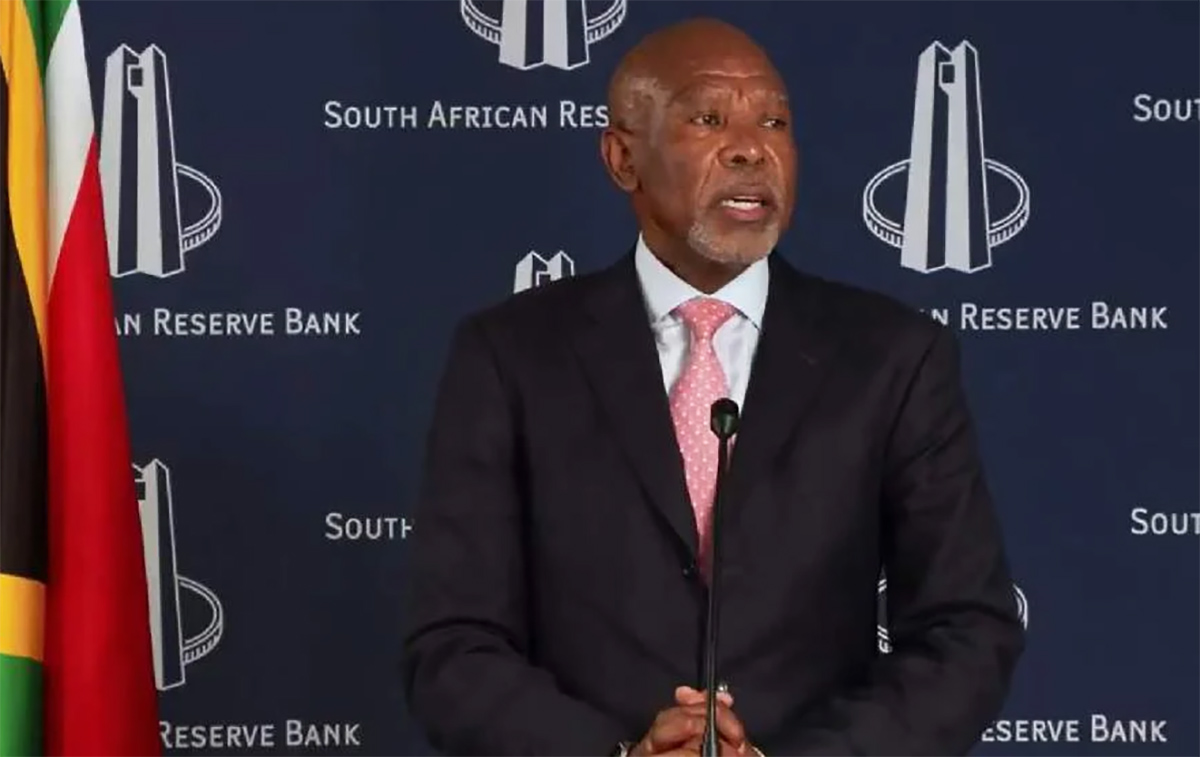
Top picture: SARB Governor Lesetja Kganyago.












The likes of ooba Group CEO Rhys Dyer highlight the growth taking place in the property industry thanks to the previous three rate cuts and a stable interest rate environment, paving the way for further growth in 2025. We also hear from Tyson, Seeff, Pam Golding Property, Rawson, Jawitz, Landsdowne Property Group, FIRZT Realty, Century21, Lew Geffen Sotheby’s and Chas Everitt International.
WORDS & PHOTOS: SUPPLIED
Rawson Property Group – Leonard Kondowe, National Manager at Rawson Finance
Property market poised for growth as SARB trims rates again
Leonard Kondowe
In a widely anticipated move, the South African Reserve Bank (SARB) has announced a 25-basis-point cut to the repo rate, bringing it down to 7.25%. This marks the second interest rate reduction in 2025, continuing the SARB’s gradual easing cycle that began in September last year, aimed at boosting affordability and stimulating economic recovery.
According to Leonard Kondowe, National Manager at Rawson Finance, this decision could not have come at a better time. “This rate cut is a breath of fresh air for consumers who’ve been managing tight budgets under high interest rates,” says Kondowe. “Even a small reduction can have a meaningful impact on monthly bond repayments, which is particularly helpful for first-time buyers entering the market.”
What the rate cut means for homeowners
Most South African home loans are linked to the prime lending rate, which has now dropped to 10.75%. This directly lowers monthly repayments for bondholders.
“It’s not a dramatic saving month-to-month, but it adds up quickly over time,” says Kondowe. “And for households already feeling stretched, even a small relief can create room to breathe – or better yet, room to save.”
He encourages homeowners not to absorb the difference into daily spending but rather to continue paying their bond at the previous higher rate if they can. “Every extra rand paid into your bond now reduces the interest you’ll pay over the long term,” he explains. “That financial buffer could also prove valuable if rates rise again in future.”
Opportunity for first-time buyers
Lower interest rates also mean improved affordability – a game changer for first-time buyers who may have previously found property just out of reach. “This announcement could expand the number of people who qualify for financing,” says Kondowe. “That creates a golden opportunity for new buyers to take the leap into homeownership – especially while prices in many markets remain competitive.”
Kondowe is quick to stress, however, that better affordability doesn’t mean buyers should max out their credit potential. “Just because you qualify for more doesn’t mean you should stretch to the limit,” he warns. “Stay within your means, and don’t forget to factor in all the costs of owning a home – from maintenance to municipal rates.”
The importance of prequalification
With buyer activity expected to rise in response to the rate cut, Kondowe stresses the value of prequalification. “Prequalification gives you a clear picture of your financial position and what you can realistically afford,” he says. “It also strengthens your offer when competing for a property – especially in a market where stock in the lower to mid brackets is moving fast.”
Rawson Finance offers a free prequalification service, giving buyers access to tailored advice and bond comparisons across all major lenders. “Getting prequalified is quick, simple, and one of the smartest moves you can make,” Kondowe adds. “It takes the guesswork out of your home search.”
What this means for the market
Historically, interest rate cuts help stimulate the property market, and 2025 appears to be following that trend. Improved affordability and a more optimistic economic outlook are expected to drive renewed interest in property purchases.”This rate cut won’t create an overnight boom, but it’s an important psychological shift,” says Kondowe. “Confidence is coming back. People are beginning to plan again, and property is once more part of that conversation.”
Make the most of the momentum
For those considering a move – whether it’s buying a first home, upgrading, or investing – now is a good time to explore your options. “Even if you’re not quite ready to purchase, it’s worth understanding what’s possible,” says Kondowe. “With rates now heading in a more favourable direction, early planning and preparation can put you in the perfect position to act when the time is right.”
Tyson Properties – Chris Tyson and Francois du Toit
Current interest rate is the new normal in suburbia
For Tyson Properties CEO, Chris Tyson, today’s decision by the Reserve Bank’s Monetary Policy Committee (MPC) to drop the repo rate by 0.25 basis points from 7.5% will be a welcome reprieve for both property owners and investors.
Chris Tyson
Although a series of interest rate cuts were predicted for the first half of 2025, this hit a pause when the central bank left rates steady in March. The continued global uncertainty that followed US President Donald Trump’s so-called tariff tsunami together with local upheavals surrounding the 2025 government budget and elevated unemployment called for restraint.
Tyson points out that, although there were indicators that suggested that the Reserve Bank could either drop or even increase interest rates, it had decided to give South Africans some cause for optimism. This latest interest rate drop is also likely to counter the depressed economic growth forecast announced in the Finance Minister’s third budget last week.
Tyson Properties director, Francois du Toit, says that although inflation remain below the mid-point of the target range at present, the fuel levy hike announced in the budget last week will filter into all essential goods and household expenses and could once again push up inflation. He expects ongoing economic headwinds which are likely to reign in interest rate cuts for the time being.
Tyson adds: “Our inflation rate is quite low at the moment. I think, given the ongoing uncertainties in the market, the Reserve Bank will wait at least another six months just to see where things are going.”
At best, Tyson foresees the possibility of a 0.25% or 0.5% decrease towards the end of this year.
“I think that the current interest rate scenario is where our new norm is going to lie. It might go down a little bit, it might go up a little bit, but I think that people must budget according to where interest rates are right now. This is the level with which we are going to have to work. If it drops a little, then this will be a bonus. If it goes up bit, they will have been prepared,” he advises.
Although Tyson says South Africa is unfortunate not to have a stable interest rate environment – a scenario that is likely to continue for at least the next five years, Tyson believes that the property market remains resilient: “We spent the last couple of years straight after COVID seeing record lows and little mini property boom. When those rates began to increase, people found that they could no longer afford the houses they had bought. We struggled to sell houses because expectations were too high. Interest rates began to level off and the market picked up again. Then along came Trump and markets became nervous again. Now I tell our agents and our principals to take a different view and to see the market in which we are working as a good one already. We can work with what we have and run our businesses according to the hand that we have been dealt. We cannot sit and wait for interest rates to come down for the market to improve.”
Rhys Dyer, CEO of the ooba Group
Rate Cut to Spur Growing Momentum in Property Sector
Rhys Dyer
Today’s announcement of a 25-basis point rate reduction marks another milestone for the residential property sector, lowering the repo and prime lending rates to 7.25% and 10.75%, respectively, and marking the fourth rate cut since September 2024.
This news bodes well for both homeowners and potential homebuyers, and is set to increase activity in a property market that’s steadily regaining momentum.
Rhys Dyer, CEO of the ooba Group, commends the South African Reserve Bank (SARB) for their decision. “The SARB has taken the correct decision to lower rates which will support consumers and the industry at large, and we have no doubt that this rate cut will make a big impact.”
Some of the Key Factors That Drove the Decision
Dyer unpacks a few of the key reasons for the rate cut as follows: “The latest headline consumer price index (CPI) figure for April edged up slightly to 2.8% from 2.7%, but remains below the 3% lower limit of the Reserve Bank’s inflation target range,” he says. “The increase was largely attributed to higher food prices, which were offset by the continued easing of fuel prices, which declined by 13.4% from year-earlier levels (as per StatsSA).”
This is further bolstered by the positive market sentiment following last week’s Budget Speech. “The Budget Speech represented a collective compromise between the parties, signalling a more unified GNU that is committed to working cooperatively,” says Dyer. “One of the key Budget takeaways that will help boost investor confidence in the property sector is the government’s joint commitment to review spending in an effort to stabilise its debt levels.”
New homebuyers can also look forward to welcome savings, thanks to the official announcement of an unchanged VAT rate and the raising of the property transfer duty exemption threshold by 10%. The adjustment means that any properties purchased under the R1.21 million mark are exempt from paying transfer duties with all subsequent tiers also increasing by 10%.
Local Homebuying Market Remains Resilient
The market continues to respond positively to the stable interest rate environment and supportive lending by the country’s major banks as they continue to compete for market share.
“In April, our national average purchase price rose to R1.67 million – a year-to-date increase of 4.2%” says Dyer.
ooba’s Index Activity, which closely tracks Deeds Office sales data, rebounded modestly in April from a December ’24 low as household finances continued to improve off the back of petrol price cuts, modest interest rate cuts and subdued price pressures.
“We also recorded our most competitive interest rate since 2022 at prime less 0.65% in April – a key indicator of the banks’ willingness to compete for home loan business and to bolster activity.”
Adding to the momentum is the growth in the loan-to-value (LTV) ratio across both first- and second-time homebuyers. “As per ooba Home Loan’s data, both the average and first-time LTV ratios were up by 1% year-to-date at 85.1% and 90% in Q1 ‘25.”
Dyer does however note that this interest rate cut was needed to restimulate activity levels in the first-time homebuyer category, in particular. “First-time homebuyers are known to be typically rate-sensitive. Our latest data highlights that the recovery in activity in this key segment, triggered by initial interest rate relief, has now stalled at around 46.5% of the applications received in recent months. Following this rate cut, it will be interesting to see if the segment regains strength over the next few months.”
Looking ahead, Dyer remains optimistic. “With competitive interest rates, a supportive fiscal environment and growing investor confidence, South Africa’s property market appears well-positioned for steady growth.”
Dr Andrew Golding, chief executive Pam Golding Property
Very welcome interest rate relief for consumers – including home buyers and mortgage applicants
Subdued economic growth, low inflation and weaker consumer and business confidence made a compelling case for further interest rate relief, which manifested at this month’s (May) MPC meeting, says Dr Andrew Golding, chief executive of the Pam Golding Property group.
The 25bps reduction sees the SA Reserve Bank repo rate reduced to 7.25% which means the prime lending rate drops to 10.75%.
Dt Andrew Golding
Encouragingly, with inflation remaining below 3% (2.85% in April), the Monetary Policy Committee seized the opportunity to give South Africa’s economy a much-needed boost in sentiment.
Furthermore, with Inflation surprising on the downside in recent months and, with a petrol price cut likely next month (June) – although partially offset by the 15 cents per litre hike in the fuel levy – price pressures are likely to remain subdued. The consumer inflation rate is currently well anchored below the lower limit of the 3%-6% inflation target.
Coupled with this is the fact that local economic recovery was sluggish in the first quarter of the year, with GDP growth forecasts downgraded to around 1.5% for 2025. In addition, consumer confidence trended downwards, partly due to the proposed 2% VAT hike and general increase in the tax burden in the 05/06 Budget.
Meanwhile, the hike in the fuel levy, instead of a VAT hike, is likely to stress already constrained household finances. Apart from providing some debt relief for consumers in general, a reduction in the interest rate is a positive indicator for sentiment in the housing market, providing encouragement for those with existing mortgages or seeking credit to buy their first home. According to ooba Home Loans, the recovery in first-time buyer demand has stabilised at around 46.5% of applications as consumer confidence weakened amidst a higher tax burden – with no allowance made in the Budget for tax bracket creep to allow for inflation.
Fortunately though, South Africa’s housing market is currently underpinned by a rising demographic of young, aspirational home buyers and renters, which in turn creates a positive ripple effect in demand across all sectors of the market. In addition, market activity is stimulated by movement between provinces and properties changing hands due to lifestyle circumstances, while in the luxury market, iconic, high-end properties remain in demand in sought-after locations. Testament to ongoing activity in this luxury sector of the market is Pam Golding Properties’ recent sale of two adjacent erven in prime Nettleton Road in Clifton on the Cape’s Atlantic Seaboard for R170 million.
Analysts arguing for a rate cut ahead of the MPC’s decision noted that at least 15 major central banks have cut interest rates since early-April, when the US administration triggered a wave of turmoil with punitive tariffs hikes which were subsequently temporarily paused.
Given the weak state of the local economy and the benign inflation rate, the Reserve Bank appears to have followed the lead of these banks.
Among the numerous global trends, lower oil prices and a long-term weakening in the US dollar against a basket of its peers could mean a more benign inflation outlook in SA – creating scope for further interest rate relief.
That said, the Bureau for Economic Research (BER) notes that it is a matter of time before the Reserve Bank introduces a lower inflation target, which will also discourage further interest rate cuts as the Bank attempts to anchor inflation expectations around the new, lower inflation target. Given that further rate relief was placed on hold earlier this year due to global developments, the Reserve Bank may now decide to pause to introduce the lower inflation target – which most agree will help further reduce the inflation rate and thus ultimately create scope for additional rate cuts in the future.
Samuel Seeff
Rate cut welcomed, but economy needs more
Welcomed, but the economy needs more, says Samuel Seeff, chairman of the Seeff Property Group, following the interest rate cut of 25bps announced today by the Reserve Bank.
Samuel Seeff
This is the fourth rate cut by the Reserve Bank since the latter half of last year and reduces the repo rate to 7.25% (from 7.50%), and the prime rate to 10.75% (from 11%). Seeff, however, believes the Bank missed a crucial opportunity to provide a more meaningful cut of at least 50bps as a vital boost for the economy, consumers and the property market.
The conditions for a robust rate cut are ideal given the remarkably low inflation which, despite the recent benign increase to 2.8% is still comfortably below the SARB’s 3-6% target range. Additionally, despite global volatility, the strengthened Rand poses no risk of igniting an inflationary spiral, given the subdued demand-side pressures.
Seeff says that at this pivotal juncture, there is nothing more critical right now than economic growth and job creation. Lowering borrowing costs would stimulate business investment and crucially, put more money back into the pockets of consumers, thereby boosting spending.
Even with the latest rate cut, the interest rate is still above pre-Covid levels. Seeff says this continues to erode any benefits from previous rate adjustments and remains an impediment to real economic growth so vitally needed.
The high interest rate has done considerable damage to the economy. Consumers are struggling, and while this rate cut will bring much needed relief, Seeff says more needs to be done given the dire need for economic growth and jobs.
The property market currently still lags the pre-Covid volumes with the first quarter of this year disappointingly some 10% down compared to the same time last year. Further interest rate cuts are needed to drive higher sales volumes which would leverage the property sector’s significant economic multiplier effect to further boost economic growth.
Nonetheless, Seeff says this rate cut will be a boost for affordability and enable more first-time buyers to get into the market. The continued positive mortgage lending environment further adds to the good buying conditions. We are also seeing improved price growth in areas where stock levels are depleting which is good news for sellers too.
As a result of the 25bps rate cut, mortgage repayments will reduce by:
R750 000 bond – from R7,741 to R7,614 – thus saving R127
R900 000 bond – from R9,290 to R9,137 – thus saving R153
R1 000 000 bond – from R10,322 to R10,152 – thus saving R170
R1 500 000 bond – from R15,483 to R15,228 – thus saving R255
R2 000 000 bond – from R20,644 to R20,305 – thus saving R339
R2 500 000 bond – from R25,805 to R25,381 – thus saving R424
R3 000 000 bond – from R30,966 to R30,457 – thus saving R509
R5 000 000 bond – from R51,609 to R50,761 – thus saving R848
(Based on a 20-year repayment period at the prime rate)
Landsdowne Property CEO Jonathan Kohler
Latest rate cut brings a sense of stability to the residential property market
The Reserve Bank’s decision to cut interest rates by 25 basis points offers much-needed relief to homeowners and prospective buyers, reinforcing market stability and improving affordability in the residential property sector.
Jonathan Kohler
Jonathan Kohler, CEO of Landsdowne Property Group, welcomed the rate cut, highlighting its potential to ease borrowing costs and create opportunities for buyers and investors alike.
“This reduction provides some breathing space for buyers, particularly those in the R800 000 to R2 million range, where affordability is key. Lower interest rates mean improved financing conditions, helping more South Africans enter the property market,” Kohler said.
Kohler added that the latest rate cut should be seen in the context of the three previous rate cuts since September last year. Before the start of the lower interest rate cycle, homeowners would have paid R10 837 per month on a bond of R1 million financed at the prime rate over a 20-year period. The latest rate cut lowers this amount to R10 152, a collective saving of R685 per month.
Positive market signals
Alongside the scrapping of the proposed VAT hike last month, South Africans can now retain more disposable income, encouraging homeownership and investment in the property sector.
Kohler said that increased buyer confidence is driving demand in growth areas such as Midrand, Fourways, and Soweto, where affordability remains a strong drawcard. He added that banks are increasingly open to granting 100% bonds, supporting accessibility for first-time buyers.
Stimulus for developers & investors
Kohler noted that the rate cut brings clarity for developers and investors, allowing for more accurate planning and pricing.
“It creates momentum in the market, especially for secure, well-located rental properties, which continue to offer solid returns. While further rate cuts remain uncertain, especially in light of the SARB confirming a move to a single digit inflation target, today’s decision signals stabilising market conditions, encouraging buyers to re-enter the market. With competitive property prices and supportive financing options, the residential sector is well-positioned for renewed activity,” Kohler concluded.
Herschel Jawitz, CEO – Jawitz Properties
Herschel Jawitz
The .25% interest rate cut will be welcome news to both homeowners and buyers. For homeowners, the cumulative 1% rate reduction since the cutting cycle began, will continue to ease pressure on disposable income. On a R1 million home loan, the cumulative monthly reduction in repayments is approximately R700, while for a R2 million home loan, it’s R1,350 per month. While these amounts may not seem substantial, the extra cash adds up significantly over a year.
While it is still early to declare a market ‘recovery,’ lower interest rates will positively impact demand, which is ultimately good news for property prices and sellers. Most parts of the country remain a buyer’s market, but stock is tightening, and buyer activity is increasing.
For buyers, lower interest rates mean improved affordability, particularly for first-time buyers who now have the opportunity to purchase the same property with lower repayments or to buy up in the market. Combined with no VAT increase, a seemingly adequate performance from the Trump vs Ramaphosa meeting, and now this rate cut, consumer confidence may also start to lift – which is always good for the residential property market.
Berry Everitt – Chas Everitt International
Rate cut another boost for rising property market
With the inflation rate still below 3% and the Rand stronger against the US Dollar, the Monetary Policy Committee of the Reserve Bank has decided to lower the repo rate by 0,25% to 7,25%.
Berry Everitt
This is the fourth interest rate cut since September 2024 and will take the prime rate and home loan “base rate” to 10,75%, compared to 11,75% a year ago, notes Berry Everitt, CEO of the Chas Everitt International property group, and will cut the cost of borrowing by around R17 per R100 000.
“This means that on the R1,6m average home price noted in the May BetterBond Property Brief, the minimum monthly bond repayment will drop by R272, making it easier for prospective buyers to qualify for new home loans. And for existing homeowners with 20-year bonds at that level, their monthly repayments will now be almost R1100 lower than at this time last year.
The news for first-time buyers is even better, he says, with the minimum monthly repayment on the average first-time buyer home price of R1,28m dropping by R218 and the gross monthly income required to qualify for a 20-year loan of that amount falling by more than R700.
“In addition, the banks have been easing deposit requirements in recent months and the average deposit for first-time buyers is currently almost 9% lower, at R175 000, than it was at this time last year. Coming on top of the Budget decisions to raise the Transfer Duty threshold to R1,2m and not to raise VAT, this means that first-time buyers now require a lot less cash to become homeowners.”
Everitt says this is already being reflected in the market, with BetterBond recording a 2,2% year-on-year increase in home loan applications in April, “which represents a huge comeback from the 15% year-on-year decline recorded in April 2024”.
Today’s MPC decision follows news released by StatsSA that the inflation rate in April was 2,8%, still under the Bank’s current target range of 3 to 6%, despite large electricity tariff increases and higher food prices in recent months.
Reserve Bank governor Lesetja Kganyago noted that inflation was also expected to remain lower than initially expected this year largely due to lower oil prices, a stronger Rand/dollar exchange rate and the decision not to raise VAT. On the other hand, economic growth projections are lower and unemployment is higher worldwide, so there is a need to lower rates to stimulate spending, company revenues and employment.
Many other central banks have already cut rates in response to this situation, and the US Federal Reserve is also expected to start doing so at its next meeting.
Denese Zaslansky – CEO FIRZT Realty group
Don’t wait any longer to buy or invest in Jo’burg
Today’s interest rate cuts underline the urgency with which buyers and investors should be purchasing properties in Johannesburg. “Demand has already strengthened since rates started to come down in September last year, stock is drying up in popular areas and we have seen a 38% increase in sales and an average 6% price increase in the past six months,” she notes.
“And we expect to see even more momentum in this market following today’s decision to cut interest rates by a further 25 basis points. The cuts will take the home loan interest rate to 10,75%, its lowest level since February 2023, encourage further buying and underpin a steady rise in property prices.
“This means that there is no time to waste for prospective buyers and investors. At the current average home price of around R1,6m, for example, the gross monthly income required to qualify for a home loan is around R54 200, which is R3 600 less than it was at this time last year.
“But if prices rise by just 5% over the next 12 months, buyers will not only have to face a bigger monthly bond repayment, but will also need to earn about R2 700 more a month to qualify for their home loan – even if the interest rate stays the same. They will thus lose most of the advantage of the recent rate decreases.”
Today’s rate drop was widely expected, given the fact that the inflation rate has been below the Reserve Bank’s target range of 3 to 6% for some months (2,8% in April) but that economic growth has remained stubbornly low.
“Of course, many households are feeling the benefits of lower food and oil prices, a stronger Rand and lower monthly repayments on home loans and other debts such as car finance, credit card balances and personal loans,” Zaslansky says.
“But global and local market turmoil has made consumers everywhere cautious about spending too freely. A reset is clearly needed, and the Reserve Bank has now followed the lead of many other central banks in lowering interest rates even further in order to boost confidence and hopefully encourage people to loosen their purse strings, buy more and stimulate employment as company fortunes improve.
“And we are confident that this is what will happen – and quickly – in an already rising property market in Johannesburg. One only has to look at the number of new developments taking place to see how rising demand is already spilling over into new construction and job creation that augurs well for the city’s property future.”
Yael Geffen – Lew Geffen Sotheby’s International Realty
In reaction to the Monetary Policy Committee (MPC) announced today that interest rates will drop by 0.25%, bringing the repo rate to 7.25% and the prime lending rate to 10.75%, Lew Geffen Sotheby’s International Realty CEO Yael Geffen called it “a step in the right direction”.
Yael Geffen
The new rate means that on a new home loan of R2 million, the cut will lower monthly payments by around R350.
Geffen says given South Africa’s fraught international relations with its western trading partners, the MPC had no room to manoeuvre on a cut larger than 25 basis points.
“It was, unfortunately, a sound decision because of the broader economic implications of the government’s ongoing alienation of our biggest trading partners.
“Last month the rand briefly touched a multi-year low against the US dollar, and businesses across the board are going to take a severe hit from the higher tariffs on imports into the United States that have only partially and temporarily been reversed.
“It is clear to the private sector that the Trump administration is not going to back down on numerous issues that have caused South Africa to become a de facto enemy, no matter how much of a rosy spin the President has tried to put on his recent visit to Washington. It was not a good visit and our citizens are going to be the ones to suffer for it. We’ve shed jobs at an alarming rate already this year, and it will get worse.”
Geffen says the volatility is one of the major reasons South Africans have been returning to the safety of bricks and mortar investing.
“Property is a tangible, long-term asset and it’s among the safest investments we can make right now. The uptick in the market this year is testament to that.”
Geffen’s advice to sellers in the current market is to be realistic about pricing, and to buyers not to extend themselves to the limit.
“Hopefully the prime lending rate won’t climb again this year, but betting on it would be foolhardy. Buy what you can afford, with room to spare for possible rates increases later in the year, depending on what the government does now, to mend international relations.”
Since the prime rate climbed from 7% during the pandemic to 11.75% in May 2023, the prime rate has come down 4 times – each reduction only 25 basis points.
Eva August CEO Century21
Interest Rate Drop Opens a Window of Opportunity
Eva August
The South African Reserve Bank’s recent decision to reduce the repo rate by 25 basis points, bringing it to 7.25%, offers a glimmer of hope for prospective homeowners, particularly first-time buyers. This move, aimed at stimulating economic activity amid subdued inflation, presents both opportunities and considerations for those looking to enter the property market.
Opportunities arising from the rate cut
Strategic Considerations for Buyers
While the rate cut is encouraging, buyers should approach this period with informed strategies:
First-time buyers can benefit greatly from expert guidance to navigate this evolving landscape and make informed, confident decisions.
Top picture: SARB Governor Lesetja Kganyago.