Rural households cannot pay twice for a journey, so the shopping goes where the commute already stops. On one Gauteng road that has produced 21,000 square metres of shops around three filling stations, and it goes to auction on 1 October.
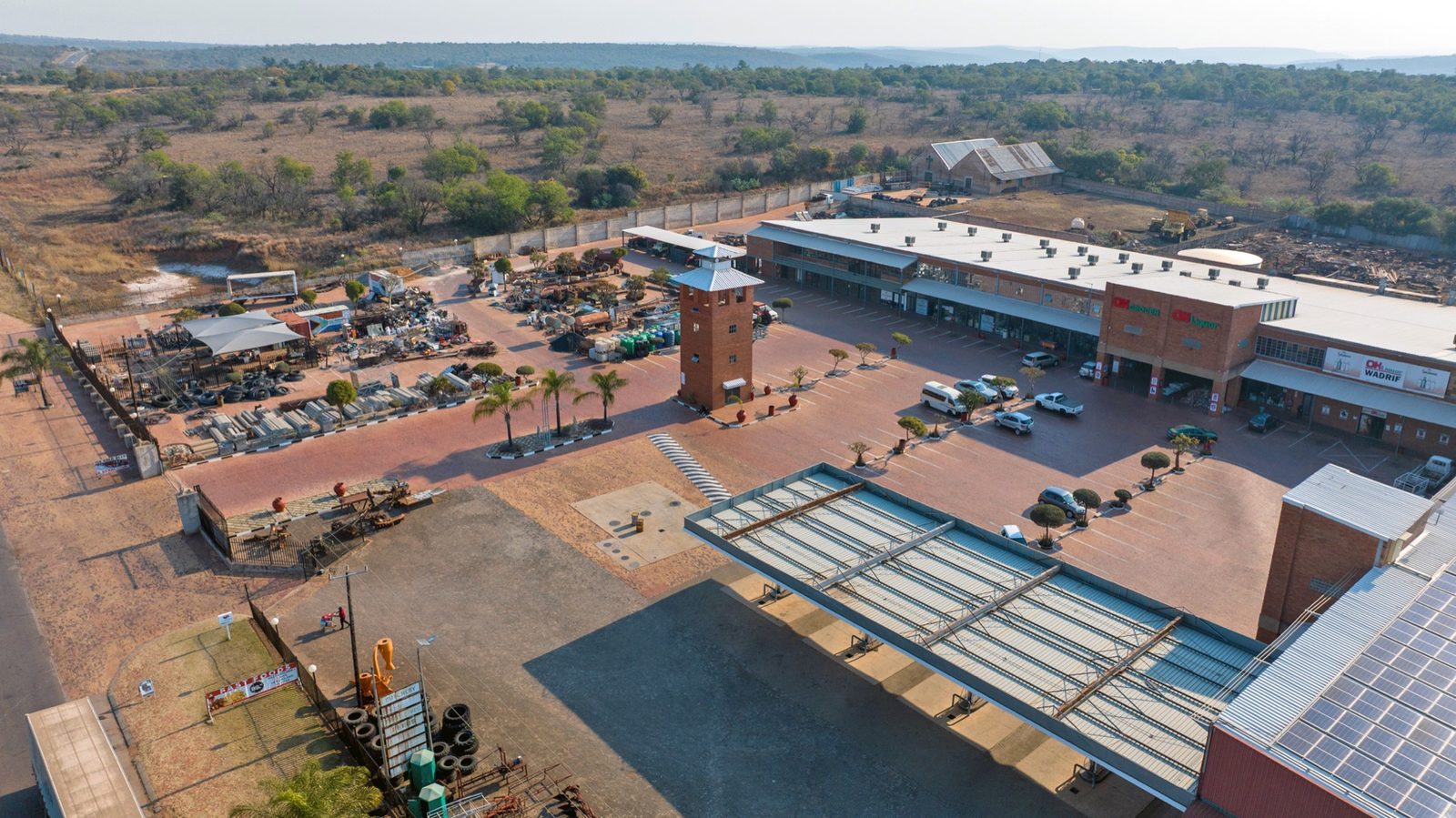
On 1 October, a fuel and retail hub on the Moloto Road goes to auction as a going concern with its fuel licences intact: three filling stations, an OK Grocer, an OK Liquor and a building supply warehouse, holding both sides of a national route that carries 60,000 people a day.
Assets of this nature are not planned and then filled; they accumulate, one shop at a time, on a logic transport planners call “Trip Chaining”: linking several errands into a single journey, because making the journey twice is not an option.
More Than 40% of South Africans Have Cut Back on Travel
Transport costs have forced more than 40% of South Africans to travel less, the University of Cape Town’s Liberty Institute found this year.
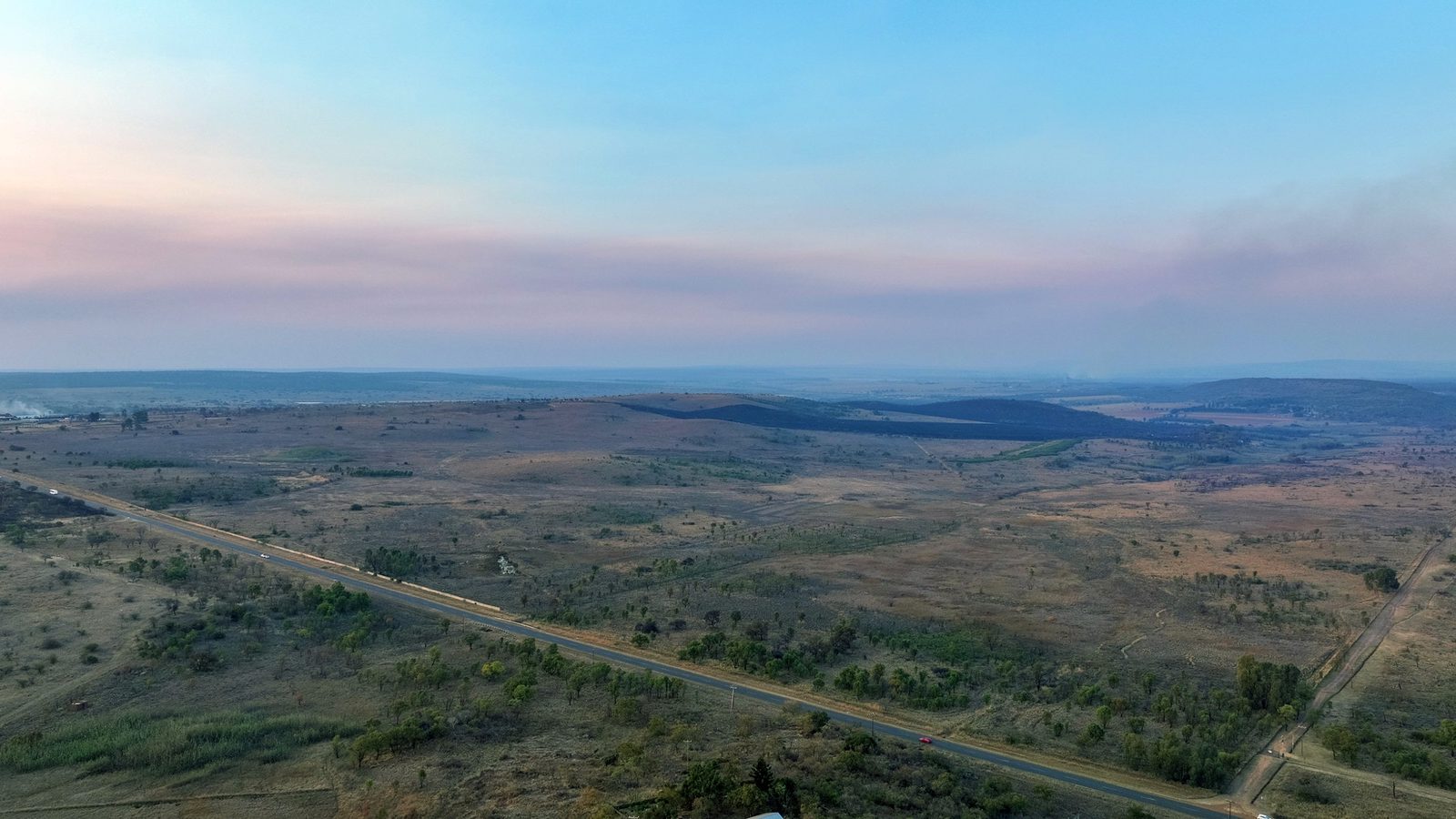
The R573 runs 138 kilometres from Pretoria to Marble Hall, and along its Mpumalanga length the settlements do not sit around a square or a main street. They sit in a line beside the tarmac, one after another, for nearly an hour’s drive. The Minister of Transport calls it one of the busiest routes in the country.
Thembisile Hani and Dr JS Moroka, the two local municipalities strung along that length, counted 431,248 and 324,855 people at the 2022 census. Three quarters of a million people on a corridor rather than in a town, sharing one road and no centre.
Retail geography usually begins with a catchment drawn around a centre. Here there is none, only a line and a daily movement along it: out before dawn, back after dark, with a fare paid each way.
That fare shapes the shopping, and so does the clock. A household that has already spent both the money and the better part of the daylight getting to work will not spend either again on a separate trip for groceries. The errands attach to the journey already happening. A shop on the route selling four things beats a better shop selling one thing and asking for a detour. Convenience here is not a preference. It is arithmetic.
How Much Does a Petrol Station Make on Every Litre?
Roughly R3.15. That is what the Department of Mineral and Petroleum Resources allows a retailer to earn on a litre of 95 unleaded, in the price structure effective from 3 June 2026, and the instructive part is how rarely it moves. Through the first seven months of 2024 the basic fuel price swung by more than 20% while the retail margin sat unchanged at 285.7 cents.
That is the Regulatory Accounting System at work. The state fixes the margin, and a retailer cannot discount, cannot take share on price, and earns nothing extra when fuel costs more.
So the industry went looking for income beside the pumps. Forecourt fuel sales fell from R279.9‑billion in 2024 to R247.5‑billion in 2025 even as total industry fuel sales rose, taking the forecourt share of fuel sales from about 55% to about 42%. The shops beside those pumps went the other way: up about 4% to R40‑billion, and forecast to reach R48‑billion by 2028. Forecourt retail is now the fastest-growing part of a R240‑billion convenience market, and it holds only a sixth of it.
Nearly Half the People in Forecourt Shops Bought No Fuel
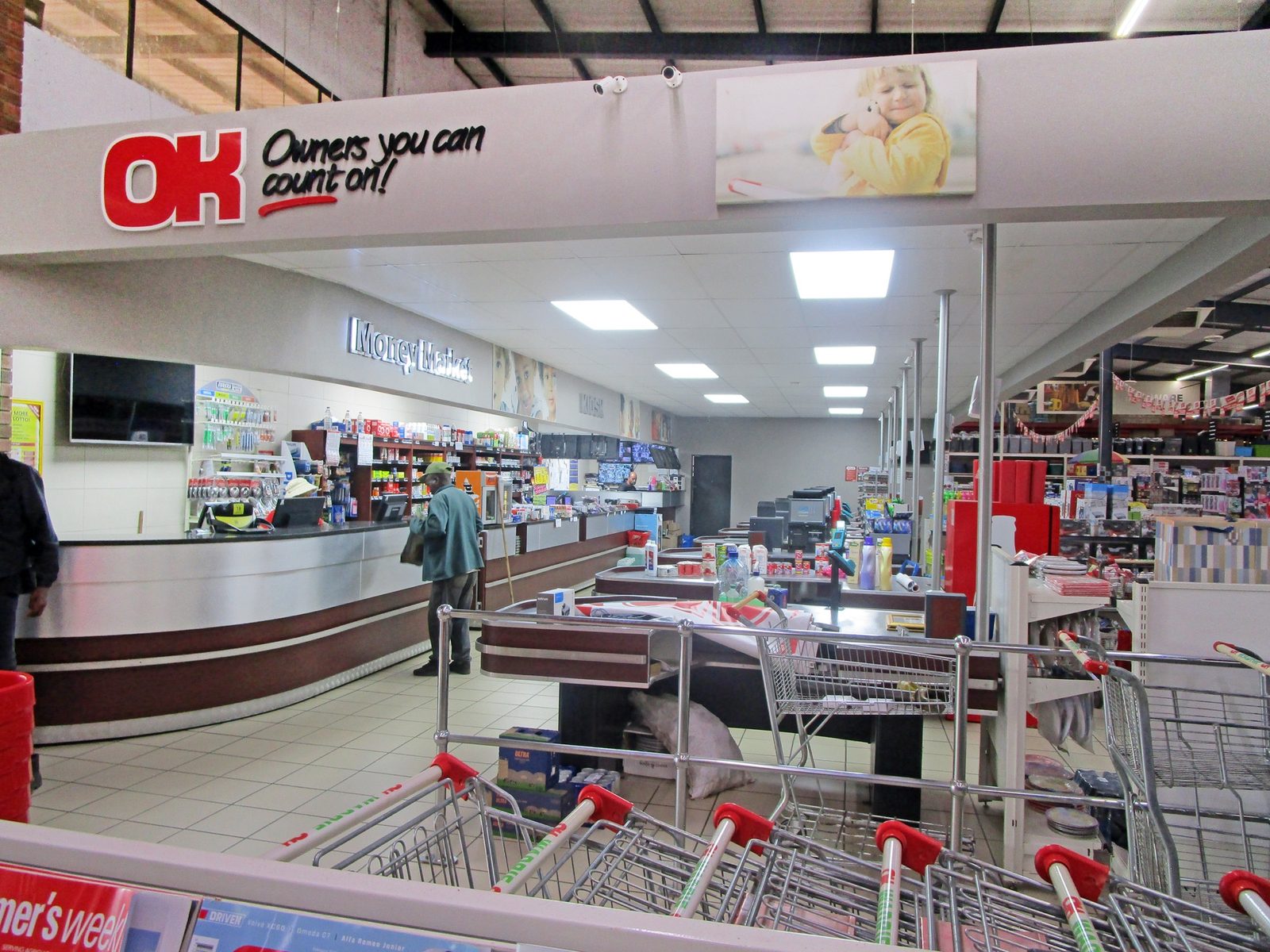 Second · the grocery line
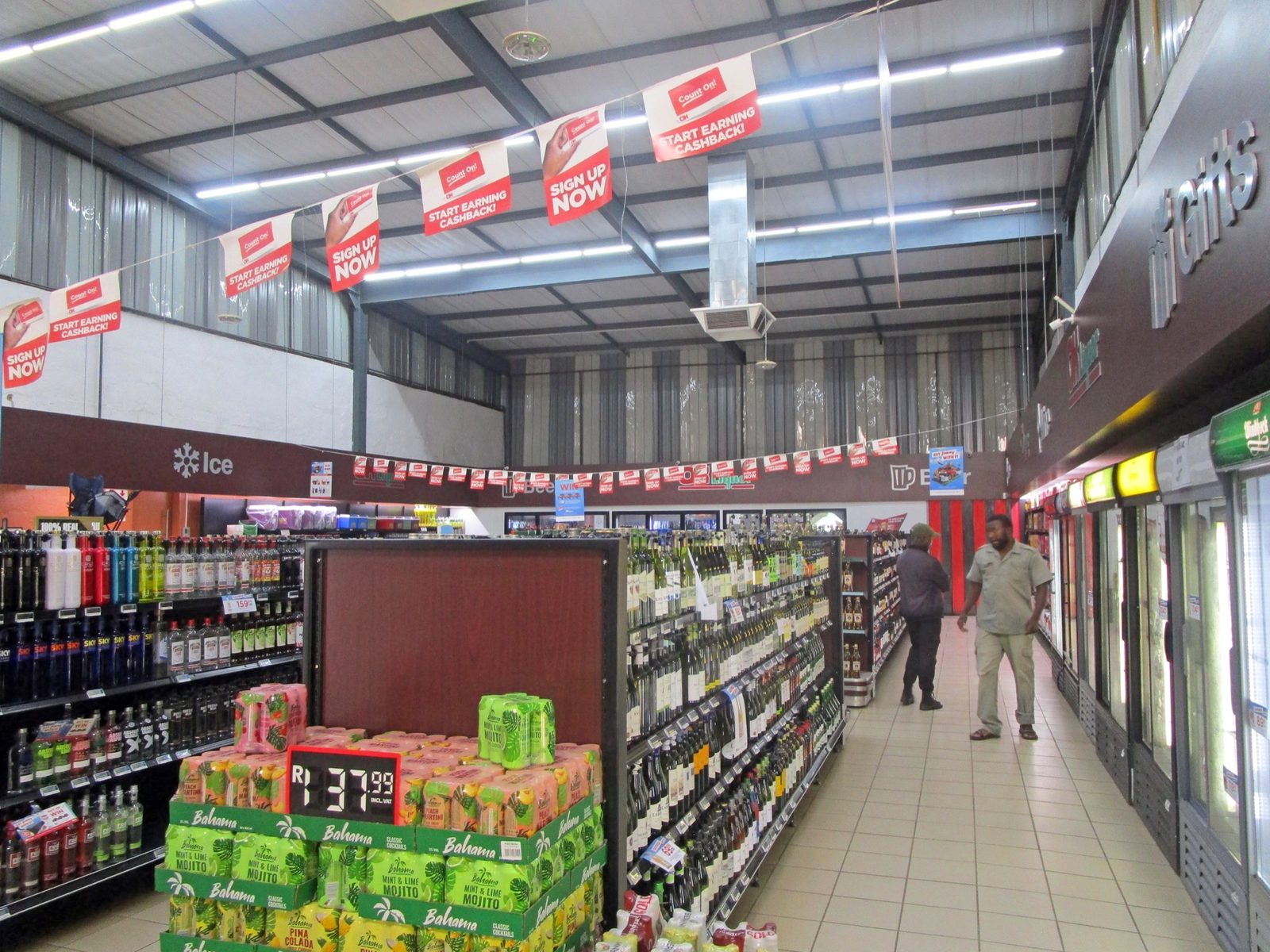 Third · liquor, and its own licence
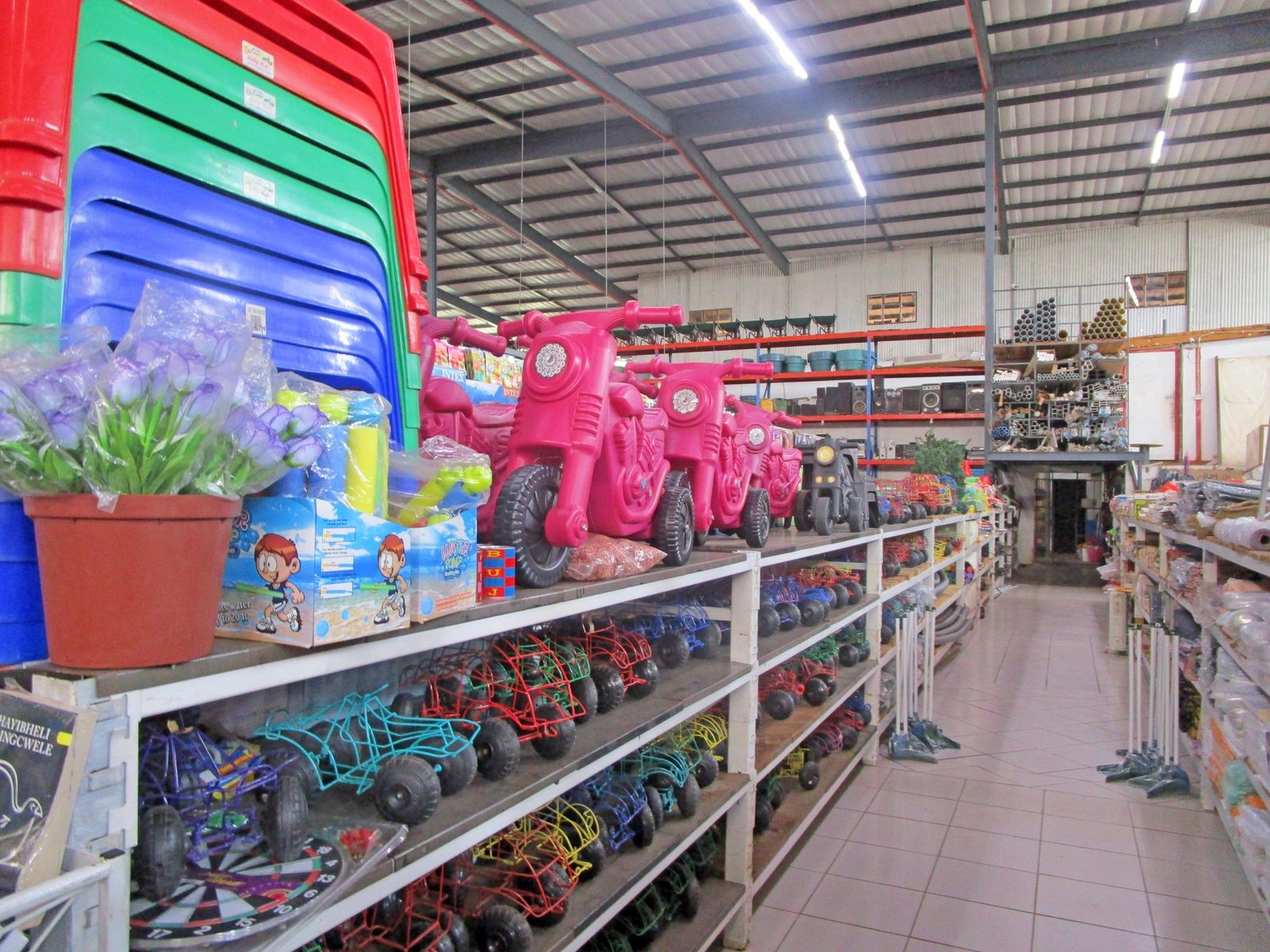 Fourth · what nowhere nearer sells
Trade Intelligence found that 46% of the people in forecourt shops did not buy fuel at all, and that more than one in five now treat the shop as a destination rather than a stopgap. Once that is true of half your customers, the shop has stopped being an attachment to the pumps.
It gets there in a predictable order. Pumps first, because the licence and the tanks are what justify the site. Then a counter selling cold drinks and airtime. Then a proper grocery line, because a queue at six in the morning buys bread. Then liquor, which needs its own licence and its own building. Then the things a rural household cannot buy anywhere nearer: cement, roof sheeting, fencing, feed.
Each addition lengthens the stop, and a longer stop justifies the next addition.
Few operators get that far, because the entry cost is severe. Building a service station from scratch runs from about R15‑million for an ordinary site to R100‑million for a double-sided highway one, before key money to an oil company of between R2.5‑million and R15‑million, and before the site and retail licences the department has to issue. A rural site carries more, because it cannot assume municipal bulk water, a sewer connection or a reliable supply of power.
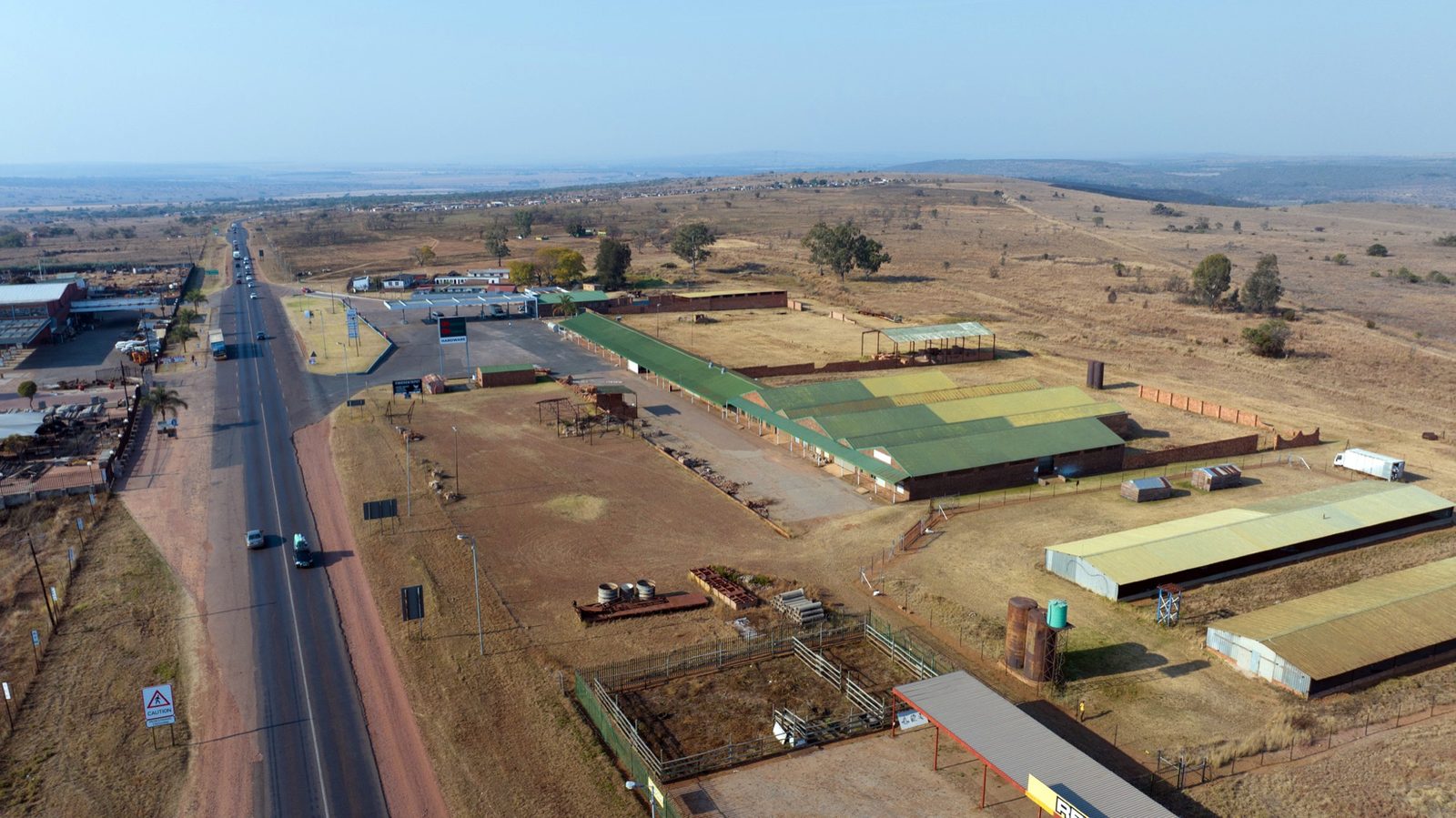
21,000 Square Metres of Trading
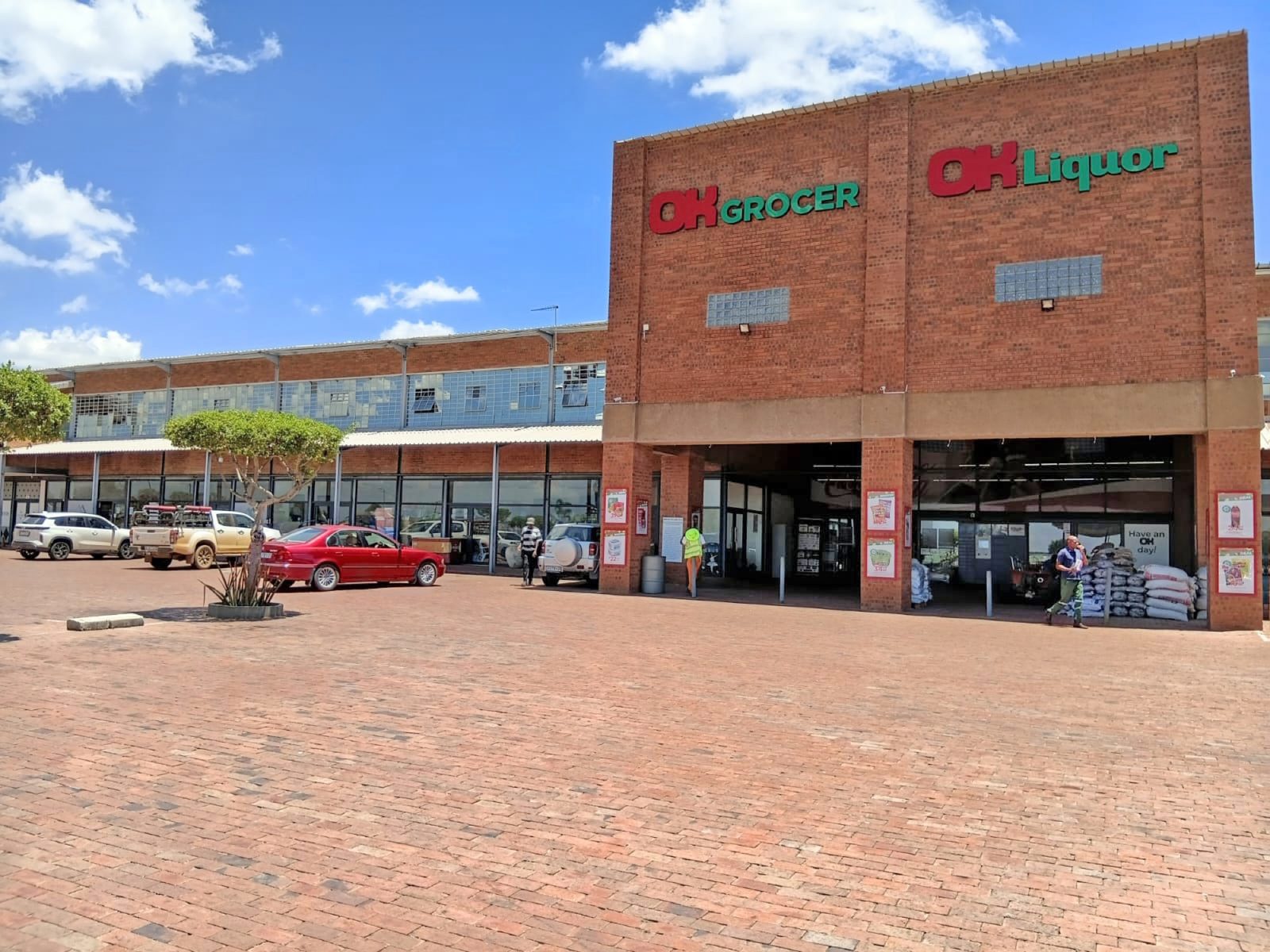
Wadrif sits on the Gauteng section of the road, between Pretoria and the provincial border at Moloto. Four separate title deeds hold roughly 45 hectares on both sides of the tarmac, with about 900 hectares of farmland behind them. On that ground stand three filling stations, an OK Grocer, an OK Liquor, a building supply warehouse and a run of smaller retail, totalling roughly 21,000 square metres, or close to three soccer pitches of floor space.
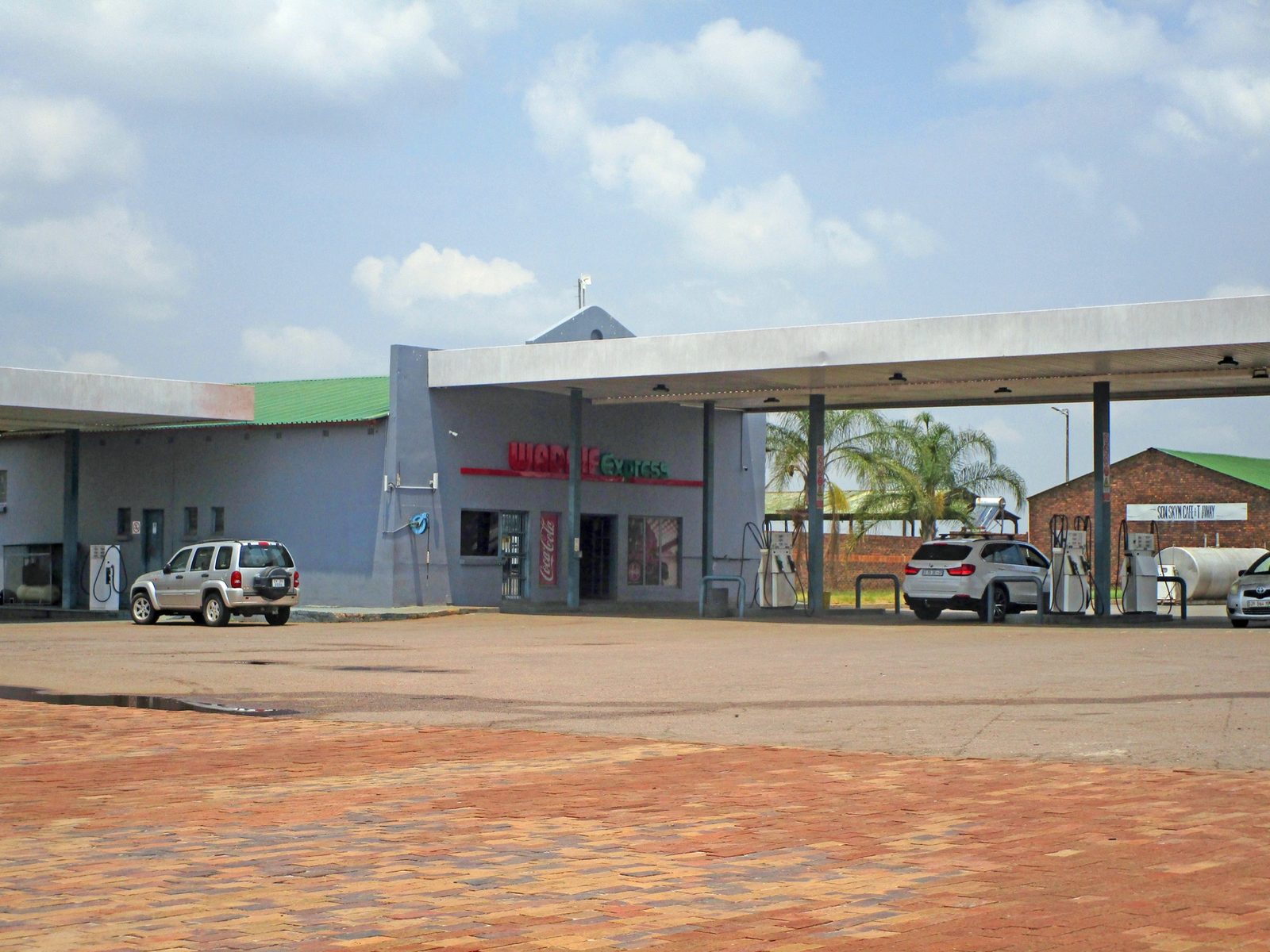
All three fuel sites are white sites, meaning unbranded. No oil company signage, no key money, no supply tie. Where the pump margin is fixed by regulation anyway, the brand buys less than it once did and still costs real money.
Is There a Railway in Moloto?
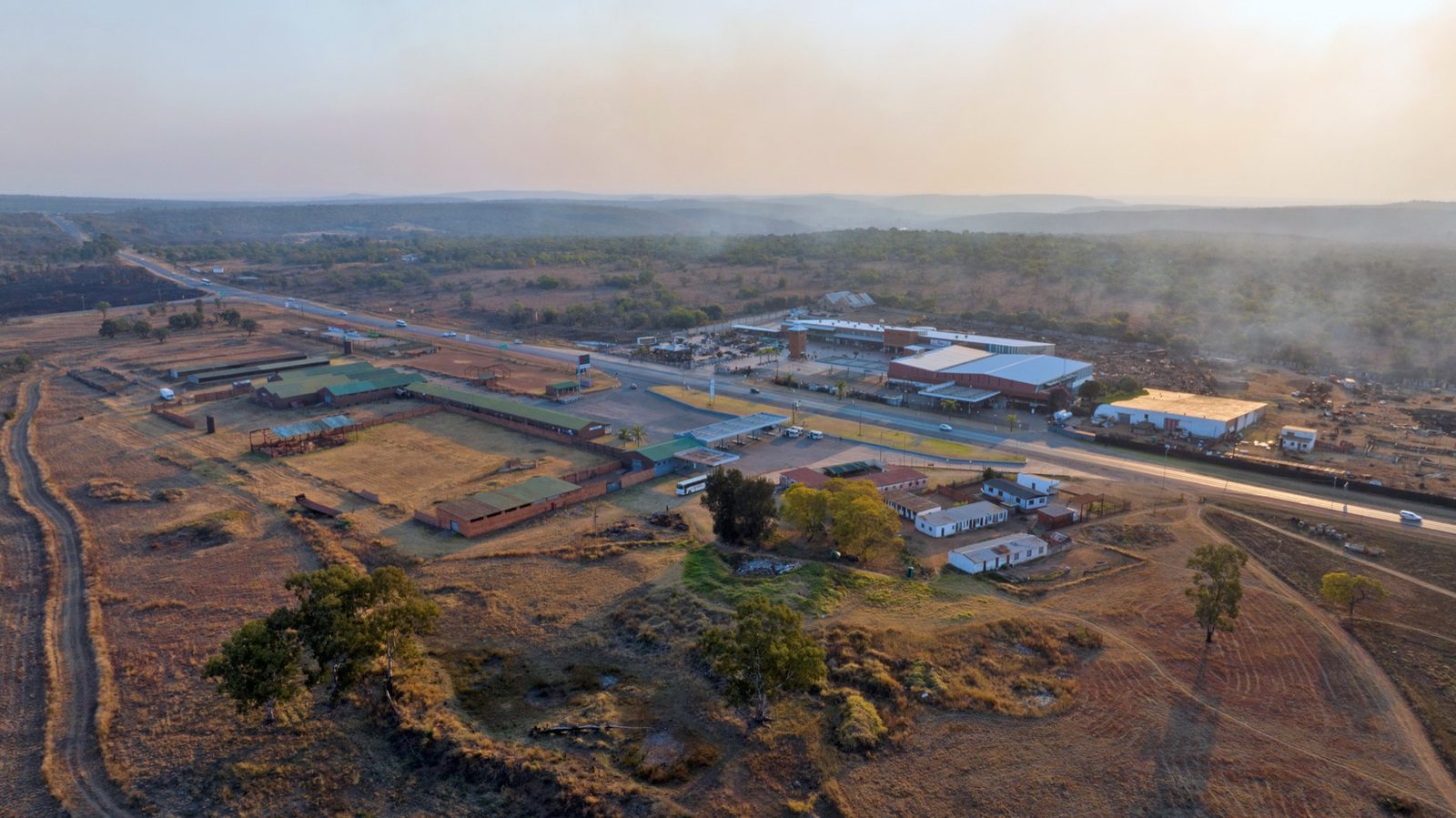
No, and not for want of studying it. Twenty-five years of discussion and about R17‑million in feasibility studies have produced no track. The premise was that stations would become the centre points of development along the corridor, and that retail would reorganise itself around platforms.
In July the Department of Transport confirmed that the R1.9‑trillion National Rail Master Plan does not identify the Moloto Rail Corridor as a current committed project, adding that it would be considered when the plan is next updated. Retired transport lecturer Vaughan Mostert attributed the omission to poor value for money.
SANRAL, meanwhile, has spent R4.5‑billion over five years widening the road itself. The corridor’s future remains a road corridor, and road corridors concentrate trade wherever stopping is easy.
South Africa has about 3,000 shops attached to filling stations. The biggest of them are not really filling stations any more; they are shops that happen to sell fuel.
- Asset
- Mixed-use fuel and retail node, 77 Moloto Road (R573), De Wagendrift, Cullinan Rural, Gauteng
- Basis
- Sold as a going concern, fuel trading licences included
- Turnover
- Gross annual turnover of R50‑million, per the auctioneer
- Date
- 1 October 2026, 12:00
- Format
- Live and virtual online auction
- Live venue
- Gordon Institute of Business Science, 26 Melville Road, Illovo
- Register to bid
- www.property.highstreetauctions.com/register-highstreet-auctions.php
- Web reference
- 119301
“The question isn’t whether the fuel station survives. The question is whether we continue to think of it as a fuel station at all.”
He puts the commercial case this way: “The forecourt of the future may sell less fuel, but the best locations could become more valuable, not because of the litres they sell, but because of the customers they attract, the time they capture and the multiple revenue streams they can support.”
Forecourt retail: common questions
What is a white-site filling station?
An independent fuel site trading without an oil company’s brand. It carries no oil company signage and pays no key money for a franchise, and it is free to choose its own fuel supplier.
How is the fuel retail margin set in South Africa?
By the state, under the Regulatory Accounting System. The margin is a fixed number of cents per litre rather than a percentage of the pump price, benchmarked against a station pumping 233,000 litres a month, and the matrix is republished each December.
What does a going-concern sale include?
The trading businesses as operating entities rather than the buildings alone. At Wadrif the fuel trading licences are included in the sale.
Is the Moloto rail corridor still going ahead?
Not at present. The Department of Transport confirmed in July 2026 that the National Rail Master Plan does not identify it as a committed project, though it may be considered when the plan is updated.
How does bidding work at the Wadrif auction?
High Street Auctions runs the sale live and virtually on 1 October 2026, with registration required in advance. Rules of Auction and Conditions of Sale are released to registered bidders.
Route length, traffic and roadworks: keynote address by the Minister of Transport, R573 oversight visit, 4 March 2024. Population: Census 2022, Statistics South Africa. Commuters cutting back on travel: Commuter Report 2026, UCT Liberty Institute of Strategic Marketing, 26 August 2026, 2,198 respondents. Fuel retail margin and the Regulatory Accounting System: South African Petroleum Retailers Association; Fuel Retailers Association submission to the Portfolio Committee. Forecourt convenience figures: Forecourt Retail Report 2025/26, Trade Intelligence in partnership with Nedbank, reported in Daily Maverick, 29 March 2026. Petrol price structure and the 315.1 cents per litre retail margin: Department of Mineral and Petroleum Resources price structure effective 3 June 2026, published via the Central Energy Fund. Retail fuel sales and industry share: Who Owns Whom, South African Petroleum Industry report. Petrol retail margin of 285.7 cents per litre through 2024: Department of Mineral and Petroleum Resources, petrol levies, taxes and margins table, 2024. Service station development costs: fuel retail brokerage data reported by TopAuto and BusinessTech, 2024. National Rail Master Plan: TimesLive, 5 July 2026. Asset composition, going-concern basis, licences and turnover: High Street Auctions particulars, web reference 119301.