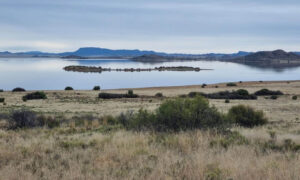
If you’re looking to buy a farm in South Africa, there are several regions that stand out — each with distinct advantages depending on what you’re aiming for – commercial agriculture, lifestyle farming, or investment.
WORDS & PHOTOS: NEWSROOM
Here are some of the best‑areas areas to find farms for sale, and what you should consider.
-
Western Cape – Fruit, wine, lifestyle farms
The Western Cape is consistently attractive for farm‑buyers thanks to favourable climate, established agricultural infrastructure and strong lifestyle appeal. According to one listing site, farms “for sale in Western Cape” highlight regions like the wine‑producing hubs of Stellenbosch and Paarl, and the fruit‑and‑vine regions of Robertson.
For example:
- The Elgin Valley (in the Western Cape) is renowned for apples and wine production.
- Entry prices for farms in some areas of the Western Cape are reported from around R4.3m to R12m for lifestyle farms (in the Swellendam/Riversdale area) which is in this general region.
Advantages: - Established export infrastructure for fruits/wine.
- High lifestyle appeal (holidaying, self‑sufficiency, tourism farm conversions).
- Good “brand value” for vineyards or orchards.
Considerations: - Prices are relatively high, especially in premium zones.
- Water/irrigation and climate change risk matter.
- If you’re purely commercial (large scale cropping or livestock), you may find better value elsewhere.

-
Mpumalanga Lowveld & Subtropical region
Another standout region is the Lowveld area of Mpumalanga (e.g., the Nkomazi and Umjindi districts) which offer strong opportunities in subtropical crops like sugar‑cane, macadamia nuts, subtropical fruit. One report highlighted that in this region farm land values have risen significantly (examples of up to R200,000 per hectare in some cases).
Advantages:
- High growth potential for specialty crops (macadamia, subtropical fruit) and export markets.
- Less “premium lifestyle farm” price tag compared to the most sought‐after Western Cape zones.
Considerations: - Infrastructure (distance to markets/processing) may be less developed.
- Farming risk (weather, pests, transport) may be higher.
- If your interest is more lifestyle than commercial, you might prefer a region with better amenities.
-
Provinces with large arable land potential – Free State / KwaZulu‑Natal / Eastern Cape
For more “traditional agriculture” (grains, cereals, large‑scale farming), the literature identifies provinces such as the Free State (grain belt), the KwaZulu‑Natal (sugar cane and subtropicals) and the Eastern Cape as key.
Advantages:
- Often larger land parcels, more “scale” potential.
- Depending on region, possibly lower per‑hectare cost than premium lifestyle regions.
Considerations: - Location further from major export hubs or coastal infrastructure may increase logistics cost.
- These regions may have more variable climate/rainfall risk.
- For lifestyle buyers (rather than full‑scale commercial farming) amenities may be less immediate.
-
Lifestyle & alternative uses – game farms, tourism, mixed use
It’s worth emphasising that buying a farm in South Africa isn’t only about crops or livestock — many buyers are drawn by “lifestyle farming”, tourism conversion, game farming, self‑sufficiency, or a mix of uses. For example, one review states: “From Franschhoek’s vineyards to the Lowveld’s macadamia orchards, investors recognise that lifestyle farms in South Africa offer exceptional returns.”
Points to consider for lifestyle farms:
- Proximity to tourism routes, scenic landscapes, water features attract interest.
- Infrastructure (roads, electricity, water) matters a lot.
- You may pay a premium relative to commercial farm value because you’re buying “lifestyle + land + view”.
- There may be additional regulatory or conservation considerations (especially for game farms or near protected areas).
Key considerations before you buy a farm
Here are some essential pointers to guide you:
- Water & Irrigation: Especially in South Africa where droughts and climate shifts are real. Properties with reliable water supply or rights are much more attractive.
- Soil & Terrain: The best “arable” or “productive” land is limited. Many areas may be semi‑arid or less suited for intensive agriculture.
- Access and Infrastructure: Being close to roads, power, markets, processing is a big plus. For lifestyle farms, proximity to towns/amenities also counts.
- Regulation & Ownership: Foreigners can own freehold agricultural land in South Africa, but you must check title, zoning, possible restrictions.
- Purpose clarity: Are you buying commercial (to farm at scale and sell produce) or lifestyle (for enjoyment, retreat, tourism, game)? That will influence location, size, price you’re willing to pay.
- Budget vs. expectation: Premium regions (Western Cape wine lands) cost much more. Buying large scale farmland in value regions may be more cost‑effective, but may come with higher risk/less lifestyle comfort.
In summary
If I were to pick “top pick” by buyer type:
- For a premium lifestyle farm (wine/fruit + tourism/luxury): Western Cape (e.g., Stellenbosch/Paarl/Robertson) is hard to beat.
- For commercial scale cropping / subtropical crops: Mpumalanga Lowveld and similar regions have strong upside.
- For value / large scale agribusiness: Free State, KwaZulu‑Natal, Eastern Cape offer scale and lower entry cost.
- For mixed lifestyle + modest scale: These can be found in transition zones – near towns but still rural.