Monday, 2 February 2026: South Africa’s renewable energy sector continues to grow. Contractors in the wind farm construction market are grappling with complex contractual challenges. These challenges could limit participation in this booming industry, warns a leading construction law expert.
Natalie Reyneke, director at construction law specialists MDA Attorneys, says wind energy has been part of South Africa’s power generation landscape since 1796. However, the modern wind farm era presents unique obstacles. Contractors want to capitalise on opportunities created by the Renewable Energy Independent Power Producer Procurement Programme (REIPPPP).
Renewable Energy Market Growth and Wind Farm Development

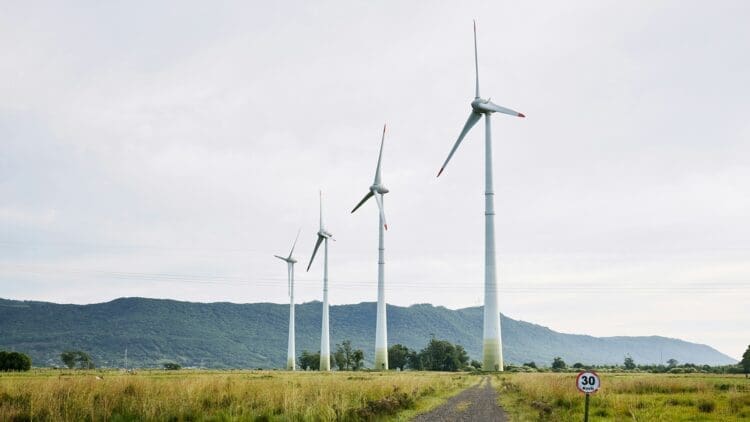
“The introduction of large-scale wind farms using numerous turbines to harness wind energy is relatively new to South Africa,” says Reyneke. “With the expansion of the REIPPPP programme, we are seeing more wind farms being constructed and operated across the country. This creates significant opportunities for contractors. However, contractors face substantial barriers to entry. They need to understand and navigate these barriers.”
Reyneke highlights the inherent risks associated with power purchase agreements (PPAs) as a primary concern for contractors. “A senior project manager at one of South Africa’s large renewable energy EPC contractors recently told me that the biggest risk on these contracts is the offtake. It is the generation and transmission of electricity under a PPA signed long before construction begins on site,” she explains.
“Most of these projects are funded based on meeting specific commercial operation dates. The ramifications for not meeting that looming deadline are enormous.”
EPC Contracts and Risk Allocation Challenges
Drawing on her experience representing contractors responsible for the balance of plant on numerous wind farm projects, Reyneke identifies a troubling trend in the independent power producer (IPP) space. “We are seeing an increase in IPPs preferring single-point contracts rather than split contracts,” she says. “The IPP seeks to employ one contractor. Typically, this is an EPC (Engineering, Procurement and Construction) contractor. The contractor carries sole responsibility for delivering electricity under the PPA by the commercial operation date.”
This approach creates a cascade of challenges. “The EPC contractor may not have the necessary skills to perform all works required to deliver the project. For example, if the turbine supplier is appointed as the EPC, it will need to subcontract civil and electrical work to specialist contractors.”
Subcontract Structures in the Renewable Energy Market
The structure of these subcontracts has become particularly problematic. “We are seeing subcontracts drafted in ways that pass EPC risk down to subcontractors. They often pit subcontractors against each other by requiring mutual indemnities for delays or additional costs that one might cause the other,” Reyneke notes. “In my experience, it amounts to contractual mistrust.”

This dynamic affects market competitiveness in several ways. “Subcontractors are over-qualifying the subcontracts. They do not want to accept certain risks passed down from EPC contractors,” says Reyneke. “They are reluctant to collaborate too closely with fellow subcontractors. More accurately, they do not want a contractual nexus to exist. Some are building significant risk allowances into their pricing models. This effectively prices them out of jobs.”
Beyond subcontracting arrangements, issues may also arise in negotiations between potential EPC contract joint venture partners. This happens when the IPP requires a single point of contact. It leads to issues around risk allocation and reluctance to accept joint contractual responsibility.
Reyneke cautions that these challenges are particularly acute for new market entrants. “For contractors entering the wind farm construction market, these contractual dynamics add to the already significant pressures. Contractors must deliver on time, at the required quality, and within budget,” she says.
South Africa continues to expand its renewable energy capacity to address ongoing electricity challenges. Reyneke’s insights highlight the need for more balanced risk allocation in wind farm contracts. This will help ensure a competitive and sustainable contractor market.