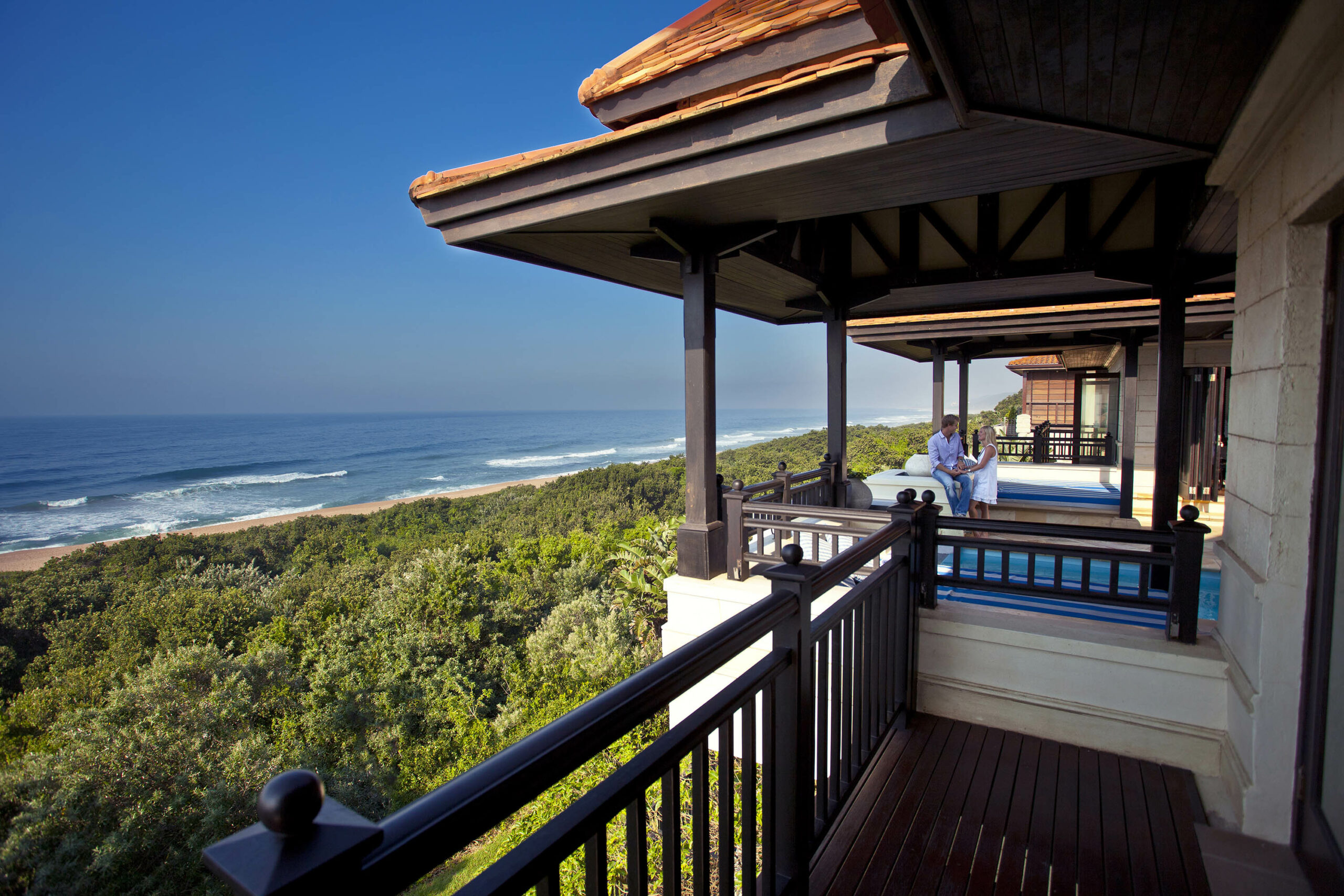
For many, the primary attraction of eco-estate living is the lifestyle on offer. What’s not to love about a home situated in beautiful natural surroundings, with architectural design guidelines ensuring that surrounding buildings don’t detract from the environment.
WORDS & PHOTOS: SUPPLIED
The popularity of eco-estate living is increasing across the world, especially amongst the affluent. Wealth intelligence firm New World Wealth estimates that by 2050 over 50% of the world’s centi-millionaire population will either live in, or own second homes on eco-estates.
Eco-lifestyle estates are environmentally friendly estates with natural indigenous wilderness areas. Some examples of these are Zimbali Estate in South Africa, Predator Ridge in Canada, Jack’s Point in New Zealand, and the Yellowstone Club in the US.
These differ from so-called wildlife estates, which are usually reserves which offer the opportunity to own private homes within the untamed beauty of the bush. These include the likes of Royalston in South Africa, Finkenstein Estate in Namibia, and Vipingo Ridge in Kenya.

Environmental benefits of eco-estates
– They protect river systems that flow through the property.
– They favour indigenous plants and trees.
– They advocate for sustainable practices such as renewable energy, composting, plastic recycling, and water conservation.
– They safeguard the habitats of nesting birds by preserving old trees with cavities crucial for their survival. Many of the world’s rarest birds including woodpeckers, parrots, toucans, barbets and kingfishers depend primarily on these cavities to nest.
– They embrace organic methods of pest control, notably through the installation of owl boxes, which encourage owls to live on the estates and mitigate the need for harmful pesticides, as one owl can kill up to 10 rodents a night. Owl boxes are especially common on estates in South Africa.
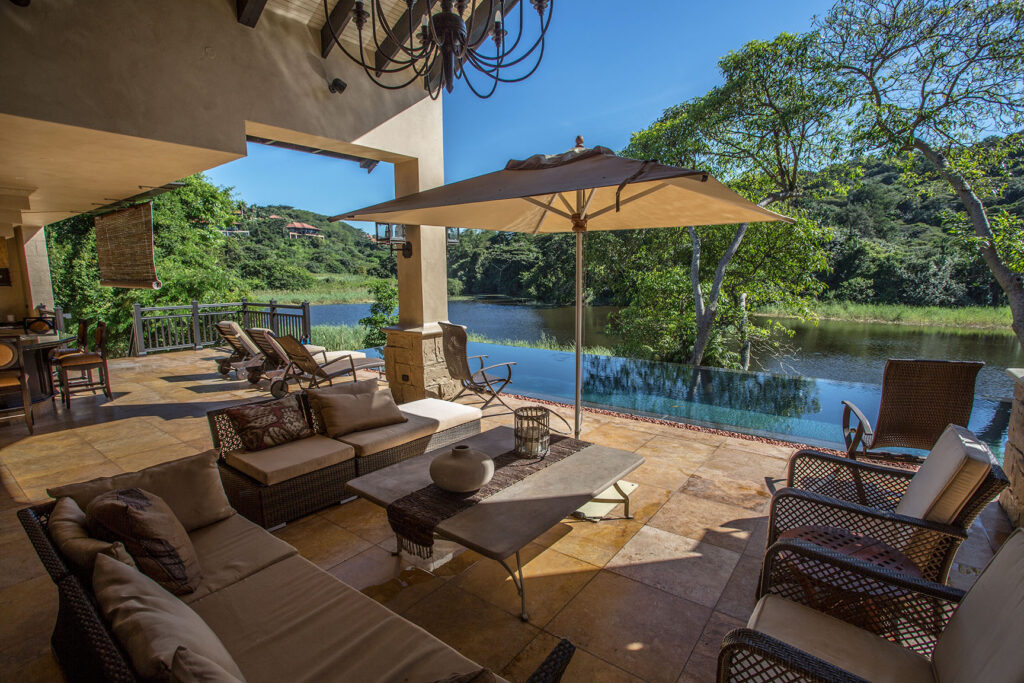
Luxury living at beautiful Zimbali Estate in KwaZulu-Natal, which is is home to over 260 bird species.
Conservation role
As the world’s wild spaces diminish, eco-estates are emerging as pivotal players in conservation, particularly in safeguarding avian biodiversity. It is worth noting that unlike land animals, birds often lack the protection afforded by traditional National Parks. They are therefore often heavily reliant on other wild spaces such as eco-estates to nest and survive.
The prolific birdlife at Zimbali Estate on the Dolphin Coast in KwaZulu-Natal is a case in point. The estate is home to over 260 bird species, including an array of South Africa’s most iconic avian species, including the Malachite Kingfisher, Narina Trogon, African Fish Eagle, Golden Tailed Woodpecker, Trumpeter Hornbill, Purple Crested Turaco, as well as the elusive Crowned Eagle, which is one of Africa’s Big 3 Eagles.
Spearheading the estate’s commitment to conservation is Environmental Manager, Brendan Smith, who says, “Eco-estates such as Zimbali Estate provide a refuge for many rare and endangered species. Eco-Estates stand out as green islands of hope within oceans of urbanization and rapid development, and Zimbali Estate provides an exceptional example of having the best of both worlds – an exquisite built and natural environment. Zimbali Estate provides a safe habitat for many threatened or protected species, whether big apex predators (Crowned Eagle, Southern African Python) or small habitat specialists (Blue Duiker, Pickersgill Reedfrog).”
He adds: “Not only is the wildlife population diversity of eco-estates something to celebrate, but so is the conservation of the floral diversity and safeguarding of these habitats, many of which are becoming increasingly threatened ecosystems. The diversity and abundance of wildlife populations on Zimbali Estate are testament to the quantity and quality of habitat, which the wildlife depends on for survival, that has been voluntarily set aside and conserved.”