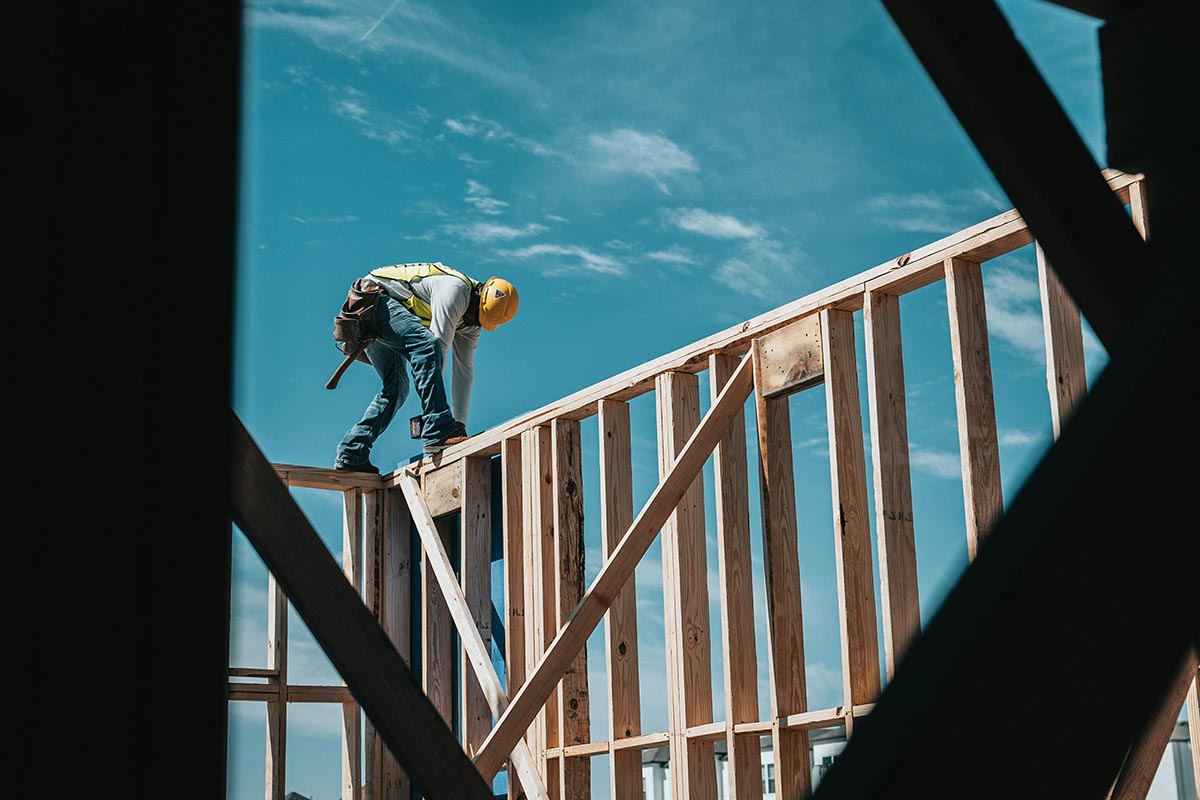
Residential construction and renovation activity remains significant. This is according to Statistics South Africa, which shows that residential building plans worth R46.9 billion and additions and alterations worth a further R30.2 billion were approved in 2025.
WORDS: SUPPLIED :: PHOTO: UNSPLASH
While homeowners often focus on price, timelines and references, compliance, worker protections and certification often determine whether a project runs smoothly or ends in dispute.
“Building and renovation projects involve multiple parties and significant risk,” says Danie Hattingh, spokesperson for business at the Building Industry Bargaining Council (BIBC). “Homeowners should first ensure that everyone working on the project is properly registered, compliant and qualified.”
Hattingh advises homeowners to look beyond online reviews and contractor-supplied references.
“Ask to see a portfolio of completed projects and speak directly to previous clients about the quality of work and whether the project was delivered as agreed.”
Before appointing a contractor, Hattingh advises homeowners to ask five key questions.
Points to note
Is the contractor registered and compliant?
A reputable contractor should be able to provide evidence of relevant and statutory registration. Within the BIBC’s jurisdiction, all contractors, including principal contractors, subcontractors and labour-only contractors and their employees must be registered with the Council.
Homeowners should also verify compliance with the National Home Builders Registration Council (NHBRC), South African Revenue Service (tax compliance), statutory obligations relating to the Unemployment Insurance Fund (UIF) and Skills Development Levy (SDL), and compensation cover through the Compensation Fund or Federated Employers Mutual Assurance Company (FEM).
“Verifying a contractor’s registration and compliance is one of the simplest ways homeowners can protect themselves before work begins,” says Hattingh.
Are workers’ wages and benefits up to date?
Compliance goes beyond paperwork. It ensures workers receive the wages, pension contributions and benefits they are entitled to. Contractors who evade these obligations gain an unfair advantage while increasing risks for workers and clients.
“The risk of poor workmanship, delays and project abandonment rises when contractors fail to meet their obligations to workers,” says Hattingh. “Exploitation often targets vulnerable workers willing to accept below-minimum wages, including undocumented foreign nationals employed under similarly precarious conditions.”
Labour exploitation is often a warning sign of broader non-compliance. Choosing compliant contractors protects workers and promotes fair competition.
Are the tradespeople on site properly skilled and certified?
Building work requires specialised skills. Hattingh advises homeowners to verify the skills and experience of the team doing the work, rather than relying solely on the qualifications of the person who secured the contract.
“Homeowners should ask who will be on site, whether they are suitably skilled, who will supervise the work, and request a list of authorised workers,” he says. “A contractor’s qualifications mean little if that person is not involved in the project.”
Using unskilled or uncertified labour increases the risk of poor workmanship, delays, safety incidents and costly repairs. Knowing who is on site also improves security, supports emergency response and reduces the risks associated with unregistered workers.
Who carries liability if something goes wrong?
Before work begins, homeowners should understand who is responsible for worker safety, insurance and any incidents on site.
“Non-compliant contractors can expose homeowners to significant financial, legal and insurance risks, particularly where workers are not properly registered, insured or supervised,” says Hattingh.
“The key question homeowners should ask is whether their contractor demonstrates a culture of compliance,” he adds. “That is often the clearest indication of how they manage quality, safety and accountability.”
Is there recourse if the contractor disappears or fails to complete the project?
A written contract, clear payment milestones and proper documentation are essential protections.
If a contractor abandons a project, breaches the contract or delivers defective work, homeowners should review their contract, document the site, formally notify the contractor and seek professional advice.
Keeping records of agreements, payments, communications and inspections can also be critical when seeking remedies or recovering losses.
Ultimately, choosing a compliant contractor protects more than the homeowner. It supports fair employment practices, rewards responsible contractors and helps build a more sustainable industry.
“Homeowners play an important role in shaping the industry,” Hattingh concludes. “Choosing compliant contractors supports professional, responsible businesses and help keep quality, safety and accountability at the centre of the building industry.”