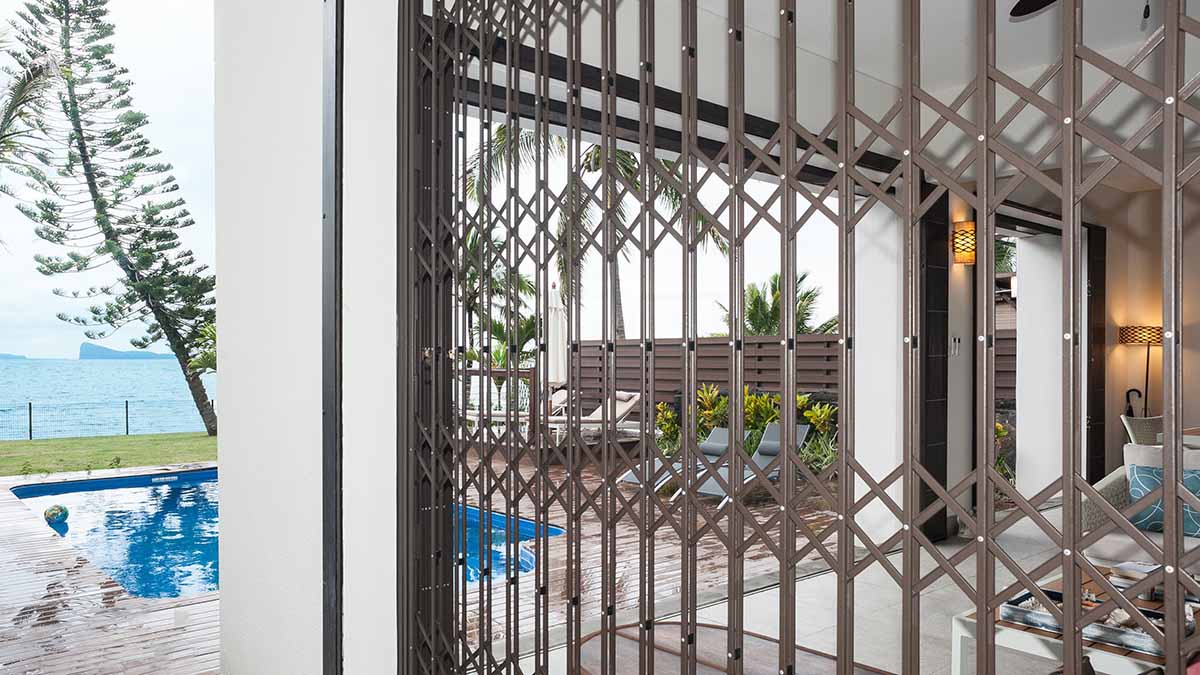

Damian Judge, CEO at Trellidor.
Homeowners can reduce burglary risk by understanding how criminals identify vulnerable properties and strengthening physical security, visibility and routine maintenance. According to Damian Judge, combining tested security barriers with good preparation makes homes less attractive targets and improves protection against break-ins. Damian Judge, CEO of Trellidor, tells us more.
WORDS & PHOTOS: SUPPLIED
As winter has settled in across South Africa, the longer nights create conditions that many criminals are quick to exploit. Homes are often left in darkness for longer periods, gardens become overgrown, and families travel during school holidays, making this an ideal time for homeowners to reassess their security.
Understanding how criminals identify vulnerable properties is one of the most effective ways to reduce risk. While no two break-ins are identical, security professionals consistently see common patterns in the way opportunistic criminals assess a home before deciding to strike.
Visibility is key
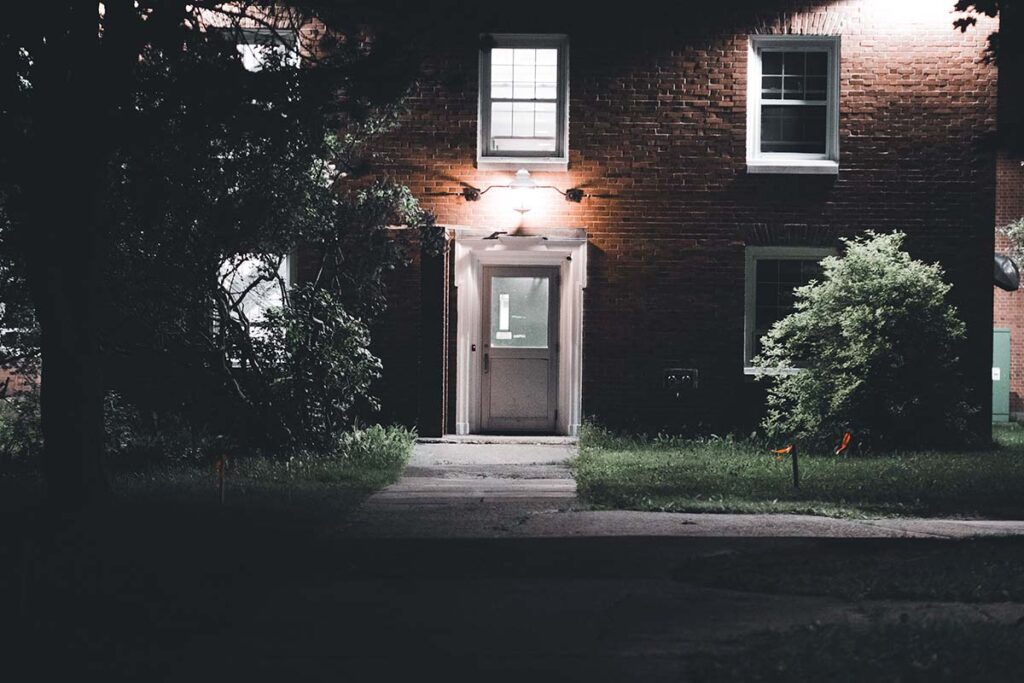
One of the first things they look for is visibility. Poorly lit entrances, concealed windows, high boundary walls with dense vegetation, and dark side passages provide valuable cover. Criminals generally favour properties where they can work unnoticed and minimise the chances of being seen by neighbours or passing traffic.
Ease of entry is another major consideration. Doors fitted with basic locks, unsecured windows, ageing security gates, or weak access points can all become attractive targets. In many cases, criminals will choose the property that appears easiest to enter rather than attempting to defeat more robust physical barriers.
Criminals also pay attention to routine. Homes that appear unoccupied for extended periods, bins left out after collection day, or social media posts announcing holidays can all signal an opportunity.
Risk versus reward
According to Judge, effective home security is less about creating an intimidating fortress and more about removing opportunities.
“Criminals are constantly assessing risk versus reward. If a property presents multiple obstacles that slow them down, increase visibility or make forced entry significantly more difficult, they are far more likely to move on and look for an easier target.”
This is where quality physical security remains one of the most effective deterrents. While smart technology such as cameras, alarms and app-based monitoring continues to evolve, these systems are most effective when paired with strong physical barriers that delay or prevent entry in the first place.
Security barriers should not only look robust but also be engineered to perform under real-world conditions. It is important that security products undergo extensive testing to ensure they deliver consistent performance when it matters most. This includes rigorous assessments for forced-entry resistance, durability, corrosion resistance and long-term operational reliability, helping ensure that products continue to function effectively throughout years of daily use and exposure to South African conditions.
“Testing gives homeowners confidence that the security they install has been designed to withstand genuine attack methods rather than simply looking secure,” says Judge. “Independent testing and strict manufacturing standards are essential because, in a real break-in, every additional second of resistance can make a meaningful difference.”
Winter also provides the perfect opportunity to conduct a comprehensive home security audit before the busy spring and festive travel seasons arrive.
Homeowners should ensure that outdoor lighting is working properly, particularly around entrances, garages and side passages. Trees and shrubs should be trimmed to eliminate hiding places and improve visibility from the street. All doors, windows and security barriers should be inspected to confirm that locks, hinges and fittings remain in good working order. Alarm systems and outdoor sensors should also be tested regularly rather than assumed to be functioning correctly.
Perhaps most importantly, homeowners should evaluate their property from a criminal’s perspective. Are there obvious weak points? Could someone approach unseen? Would an intruder be delayed long enough for neighbours or a security response team to react?
“Good security isn’t built around fear,” concludes Judge. “It’s built around preparation. The more difficult a property is to access, the less attractive it becomes. Winter is the ideal time to identify vulnerabilities, strengthen physical security and ensure your home is prepared long before criminals begin looking for opportunities.”