Insight
The new family dynamic: Multigenerational living is shaping the future of estate living

As lifestyle priorities continue to evolve, the way people choose where and how they live is changing significantly. While security and convenience remain important considerations, modern homeowners are increasingly seeking communities that offer connection, wellness, recreation and a strong sense of belonging. As a result, multigenerational living is becoming one of the most influential trends shaping residential property decisions. Simbithi Eco-Estate Homeowners’ Association GM Marc Mc Clure explores the growing appeal of multigenerational communities and why estates that cater to residents across all life stages are becoming increasingly attractive to modern families.
WORDS & PHOTOS: SUPPLIED
Multigenerational living is no longer simply about having family members nearby. It is increasingly an intentional lifestyle choice that allows grandparents, parents and children to remain connected while maintaining their independence. Estates that offer a variety of housing options, shared spaces and lifestyle facilities are uniquely positioned to support this way of living.
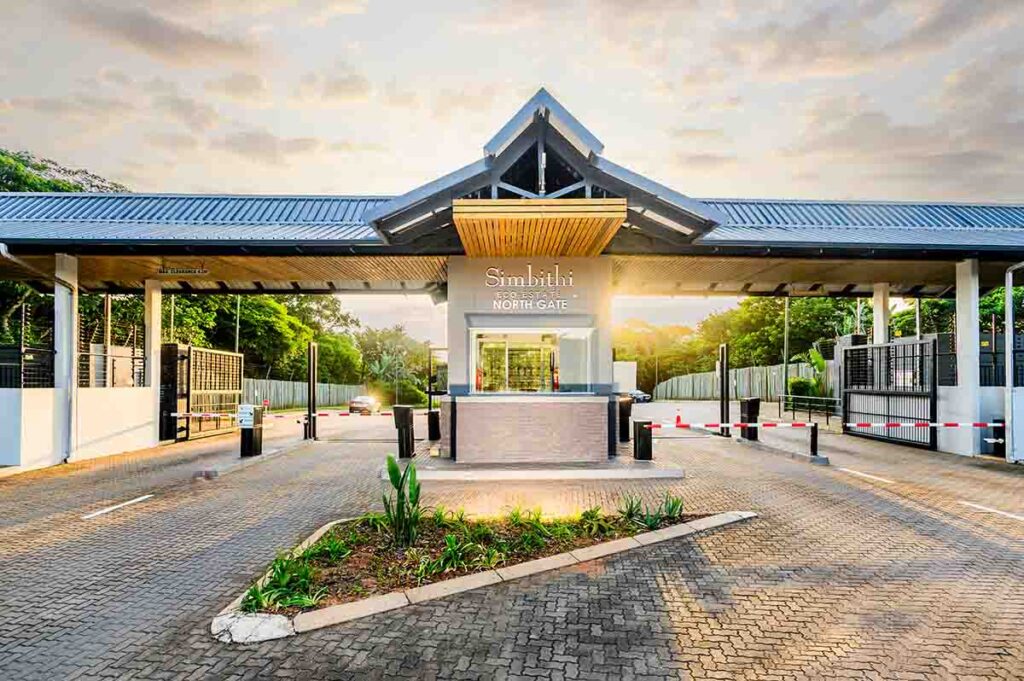
At Simbithi Eco-Estate, this trend is clearly visible, with multiple families choosing to have several generations living within the Estate. From young professionals purchasing their first homes to retirees seeking security and convenience, the Estate has evolved into a community that supports residents through every stage of life.

The rise of lifestyle-led living
Today’s younger buyers are placing greater emphasis on lifestyle than previous generations. While security remains a non-negotiable factor, Millennials and Gen Z homeowners are increasingly looking for communities that support their physical wellbeing, mental wellness and social connections.
Convenience also plays an important role. Access to quality schools, healthcare facilities, retail centres, transport links and recreational amenities has become an important consideration when selecting a place to live. Simultaneously, many families are seeking environments where children can enjoy greater freedom, spend time outdoors and build meaningful connections within their community.
Recent market research conducted at Simbithi reflects this shift, with nearly half of all buyers during the past year falling within the 36 to 49-year-old demographic. This highlights the growing influence of younger families in shaping residential trends and expectations.
More than just property
Modern estates are increasingly evolving beyond traditional residential developments. Homebuyers are no longer simply investing in bricks and mortar; they are investing in experiences, wellbeing and quality of life.
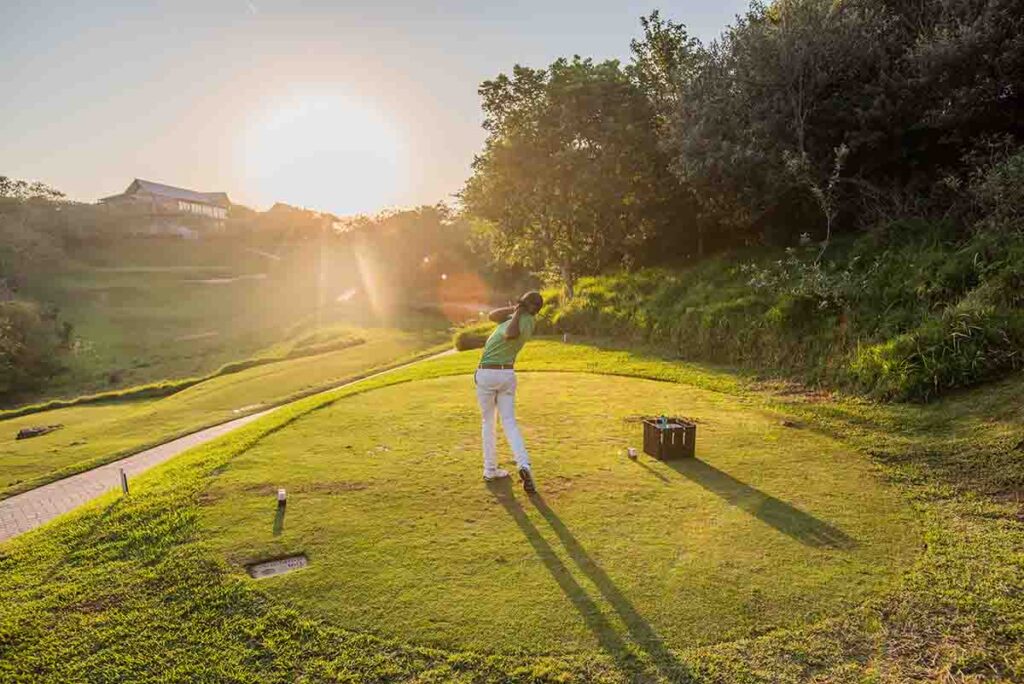
Lifestyle facilities have become central to this evolution. Walking and cycling trails, community centres, recreational spaces and sporting amenities create opportunities for residents to engage with one another while pursuing healthy and active lifestyles.
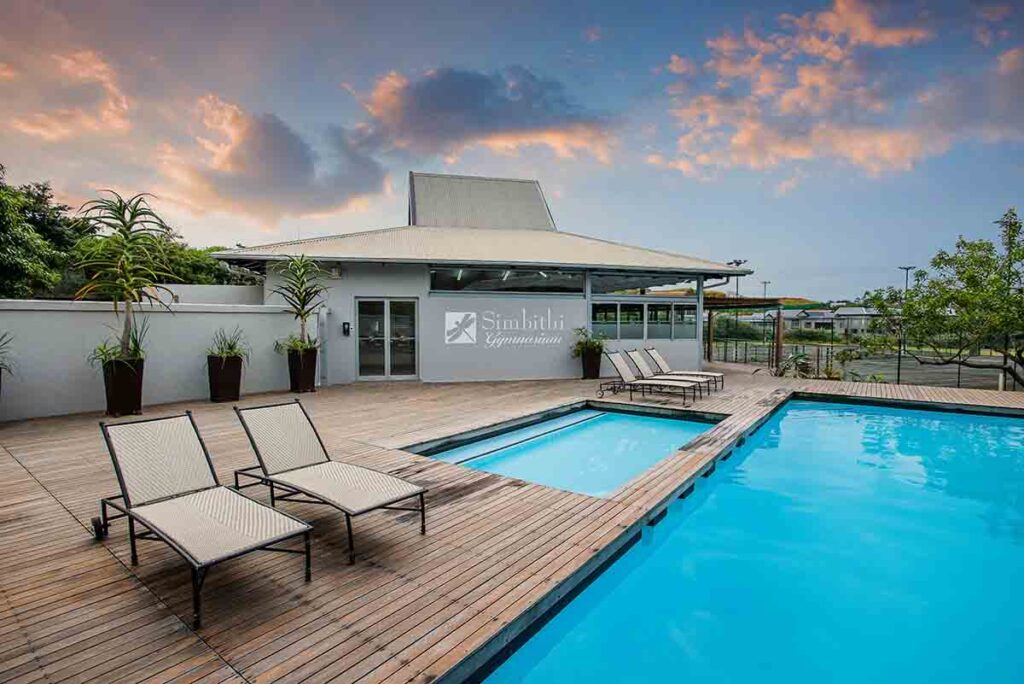
At Simbithi, five community centres, natural open spaces, recreational dams and a wide range of family-focused amenities provide residents with multiple opportunities to connect. The recently developed Sports Complex further enhances this offering through facilities such as padel courts, tennis courts, squash courts, a lap pool, bowling green and a fully equipped gymnasium.
Importantly, these facilities do more than support recreation. They create spaces where friendships are formed, relationships are strengthened and community naturally develops.
Building connections across generations
One of the defining characteristics of successful multigenerational communities is their ability to create opportunities for interaction between residents of different ages.
Community events play an important role in achieving this. Activities that bring families together create shared experiences while strengthening the sense of belonging that residents value.
At Simbithi, annual events such as the BIG EGG Easter Hunt and Trick-or-Treat celebrations regularly bring together grandparents, parents and children, reinforcing the Estate’s strong community culture. These moments create opportunities for families to connect not only with one another, but also with the wider community around them.
The social benefits are significant. Older generations remain actively involved in family life, while younger families enjoy the comfort of knowing loved ones are nearby within a secure environment.
Sustainability matters to the next generation
Environmental awareness is increasingly influencing purchasing decisions, particularly among younger generations. Buyers are becoming more conscious of how communities manage natural resources, protect biodiversity and contribute to long-term sustainability.
As one of South Africa’s pioneering eco-estates, Simbithi has long embraced an environmentally responsible approach to development and estate management. Protected green spaces, indigenous landscaping and ongoing conservation initiatives remain central to the Estate’s identity.
For many residents, sustainability is no longer viewed as an added benefit but as an essential component of modern living. Communities that demonstrate genuine environmental stewardship are becoming increasingly attractive to buyers who want their lifestyle choices to align with their values.
Looking ahead
The future of estate living will likely be defined by flexibility, inclusivity and intentional community design. As family structures continue to evolve and hybrid lifestyles become increasingly common, residential communities will need to create environments that remain relevant to residents throughout their lives.
Multigenerational living is expected to continue growing as families place greater value on connection, convenience and quality of life. Communities that successfully balance the needs of younger residents, growing families and older generations will be best positioned to meet these changing expectations.
Ultimately, the most successful estates of the future will be those that offer more than a place to live. They will create environments where people feel connected, supported and able to thrive at every stage of life. As residential priorities continue to shift, multigenerational living is proving that home is no longer just about where we live, but about the communities we build around us.