CAPE TOWN, February 2026 – Langa’s localized waste solution shows how cities can improve food environments by treating waste as a resource. The initiative is funded by AfriFoodLinks. It is implemented by Waste-ED in partnership with SA Urban Food & Farming Trust (SAUFFT), Ranyaka, and BiobiN South Africa. The project focuses on managing waste at the source.
In recent months, the team partnered with the City’s Urban Waste Management. They diverted part of the residential waste stream. About 4 tonnes per month moved from the Bellville organics composting site into Langa’s local system. The trial produced important data. It shows how organic resources can stay in the community and benefit residents.
Targeting Informal Traders and Complex Waste Streams
The project mainly serves informal traders and meat markets. This sector has been difficult to manage. The challenge comes from complex meat and ash waste.
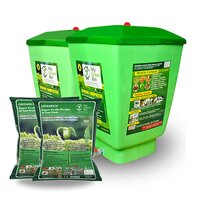
To handle large volumes of organic offcuts and stove ash, the project added residential food scraps. This balanced the composting mix. A dedicated depot was set up using a closed BiobiN system. The system diverts these waste streams. It also improves hygiene and reduces pest risks at the trading site.
On-Site Processing Cuts Costs and Emissions
“By processing waste on-site with the BiobiN in-vessel composting system, the project solves the logistical and financial burden of long-haul transport and external processing fees,” says Brian Küsel, Director of BiobiN South Africa.
“Retaining organic waste locally transforms a potential downstream burden into high-quality compost that supports community gardens, schools, and household food security.” The approach builds a local organic waste value chain. It creates jobs for community-based collectors. It also improves soil health for urban farming.
Küsel says the project prioritizes resource security. It treats food scraps as a valuable community asset. The composting unit works within the community. This cuts the carbon footprint of heavy trucking. It also provides compost quickly to local growers.
Alignment with National Waste Priorities
The initiative supports the draft National Waste Management Strategy (NWMS) 2026. National data shows organic matter still makes up over 40% of waste sent to South African landfills. This contributes to methane emissions.
The NWMS 2026 calls for full organic waste diversion by 2030. Community projects like Langa’s localized waste solution offer a practical model. The approach can be replicated in other urban areas with similar challenges.
Community Engagement Drives Success
“Community engagement remains a driving force for the project’s success,” says Candice Mostert, Founder and Director of Waste-ED. Recent waste audits show strong interest in localized composting. Many residents are willing to separate waste at the source.
Mostert says the residents of Langa have shown that localized waste management is both viable and desired.
Building Governance for Long-Term Impact
To support long-term oversight, the project created the Langa Waste Forum. This governance body maps waste flows. It also connects the informal sector with City departments and circular economy partners.
Mostert says the model depends on collaborative investment. New companies are invited to join as funding partners. Their support will help scale the hybrid system. It will also boost waste diversion, create local jobs, and turn Langa’s organic waste into a lasting community resource that supports local farming and food security,” adds Mostert.